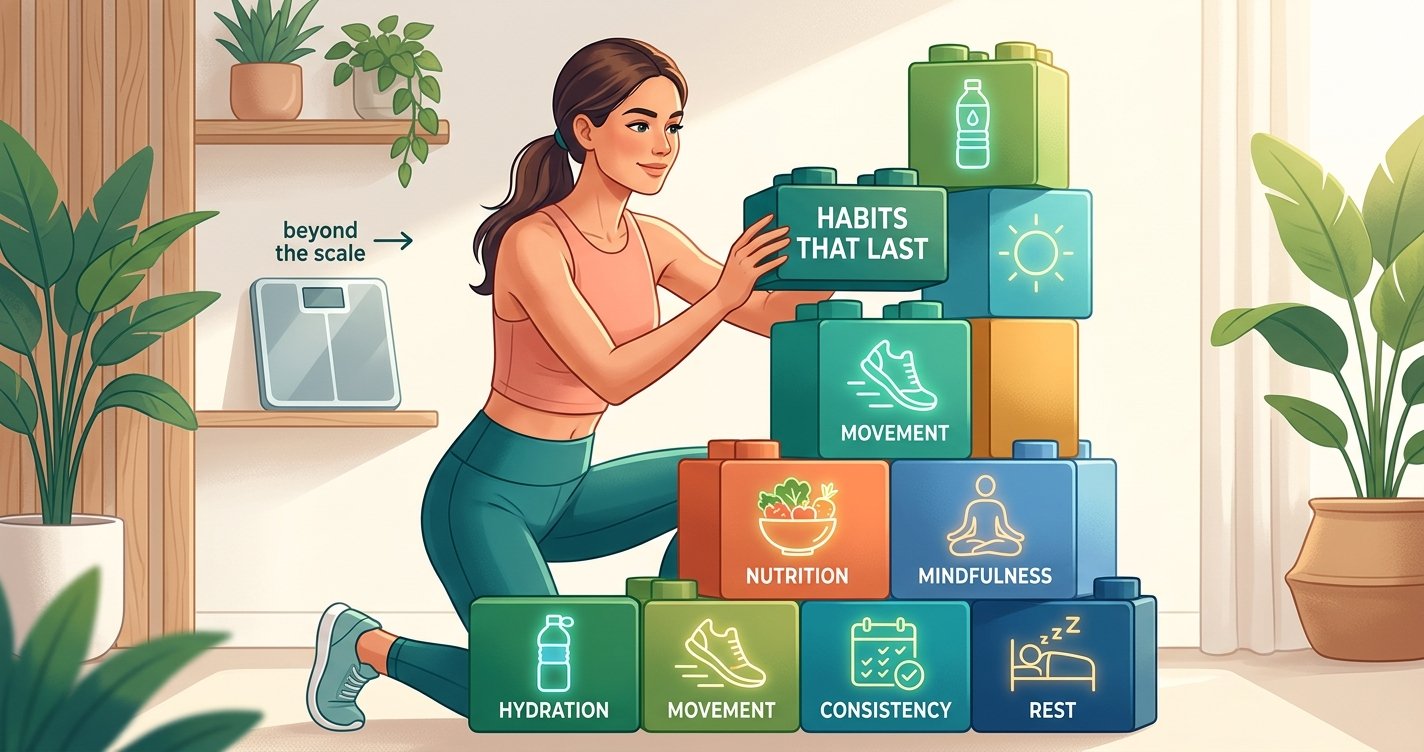
Tired of the Yo-Yo? Discover Sustainable Fat Loss Habits!
Let's be honest: the world of fat loss can feel like a confusing maze. One day it's keto, the next it's intermittent fasting, then it's a juice cleanse. You might have tried countless diets, only to see the weight creep back on, often bringing friends along for the ride. It's frustrating, disheartening, and often leaves us feeling like failures.
But what if I told you that sustainable fat loss isn't about deprivation or quick fixes, but about building lasting habits that genuinely support your body and mind? This isn't just another diet; it's an evidence-based, friendly guide to transforming your approach to health and achieving results that stick. Let's ditch the roller coaster and embrace a journey of consistency, understanding, and self-compassion. this excellent wellness product
Why Quick Fixes Fail: Understanding the Cycle
The allure of rapid results is powerful. Who doesn't want to shed pounds quickly for an upcoming event or to feel better in their clothes? However, most extreme diets or overly restrictive plans share a common downfall: they are unsustainable. Our bodies are incredibly adaptable, and when faced with severe calorie restriction, they kick into a protective mode.
This often involves a slowdown in metabolism, increased hunger hormones, and a depletion of energy, making adherence incredibly difficult. You might lose weight initially, but the moment you return to a more 'normal' eating pattern, your body, still in scarcity mode, is primed to store fat efficiently. This metabolic adaptation, combined with the psychological toll of constant deprivation, creates the dreaded yo-yo effect. True success lies in working with your body, not against it.
The Foundation: Calorie Awareness, Not Calorie Obsession
At its core, fat loss requires a consistent calorie deficit – consuming slightly fewer calories than your body burns. However, this doesn't mean meticulously counting every single morsel forever. It's about developing an awareness of what you're eating and making informed choices. Think of it as creating a small, manageable energy gap over time.
Prioritizing Protein for Satiety and Muscle Preservation
If there's one nutrient to focus on for fat loss, it's protein. Research consistently shows that a higher protein intake is a game-changer. Here's why:
- Satiety: Protein is incredibly filling, helping you feel fuller for longer and reducing cravings.
- Thermogenic Effect: Your body expends more energy digesting protein than it does fats or carbohydrates. This means a slight boost in your daily calorie burn.
- Muscle Preservation: When in a calorie deficit, adequate protein helps preserve precious muscle mass, which is crucial for maintaining a healthy metabolism.
Aim to include a lean protein source with every meal: chicken, fish, lean beef, eggs, Greek yogurt, tofu, or legumes are excellent choices.
Smart Carb Choices and Healthy Fats
Carbohydrates and fats aren't the enemy! They are essential for energy, hormone function, and nutrient absorption. The key is making smart choices:
- Complex Carbs: Focus on fiber-rich carbohydrates like whole grains (oats, quinoa, brown rice), fruits, and vegetables. These provide sustained energy and keep your digestive system happy.
- Healthy Fats: Incorporate sources of healthy fats like avocados, nuts, seeds, and olive oil in moderation. They are vital for hormone health and can contribute to satiety.
Balance is key. Think about nutrient density – choosing foods that offer a lot of nutrition for their calorie count.
Move Your Body, Strengthen Your Resolve: Exercise for Fat Loss
While nutrition is paramount, exercise is your powerful ally in fat loss. It helps create that calorie deficit, improves body composition, boosts mood, and enhances overall health.
The Power of Strength Training
Don't skip the weights! Strength training is often overlooked, especially by women, but it's incredibly effective for fat loss. Building muscle mass:
- Boosts Metabolism: Muscle tissue is more metabolically active than fat tissue, meaning you burn more calories at rest.
- Improves Body Composition: You might not see a huge drop on the scale, but you'll notice a significant change in how your clothes fit and how your body looks – leaner and more toned.
- Enhances Strength & Bone Density: Beyond aesthetics, it's vital for long-term health and functional fitness.
Start with 2-3 full-body strength training sessions per week. You can use bodyweight, resistance bands, dumbbells, or gym machines. Consistency is more important than intensity initially.
Incorporating Cardio Wisely
Cardio has its place! It's fantastic for cardiovascular health, endurance, and burning calories. Think about incorporating a mix:
- Low-Intensity Steady State (LISS): Brisk walking, cycling, or swimming for 30-60 minutes. Great for recovery and consistent calorie burn.
- High-Intensity Interval Training (HIIT): Short bursts of intense exercise followed by brief recovery periods. Time-efficient and can boost metabolism.
Find activities you genuinely enjoy to make it a sustainable habit. Remember, even simply increasing your Non-Exercise Activity Thermogenesis (NEAT) – like taking the stairs, walking more, or fidgeting – can significantly contribute to your daily calorie expenditure.
Beyond Diet and Exercise: Lifestyle Pillars for Lasting Change
Fat loss isn't just about what you eat and how you move; it's deeply intertwined with your overall lifestyle. Neglecting these areas can sabotage even the best diet and exercise plans.
The Crucial Role of Sleep
Think of sleep as your body's reset button. When you skimp on sleep, it disrupts key hormones that regulate hunger and fat storage:
- Ghrelin (hunger hormone) increases: You feel hungrier.
- Leptin (satiety hormone) decreases: You don't feel full.
- Cortisol (stress hormone) rises: This can promote fat storage, especially around the belly.
Aim for 7-9 hours of quality sleep per night. Create a consistent sleep schedule, make your bedroom dark and cool, and limit screen time before bed.
Taming Stress: Its Impact on Fat Loss
Chronic stress is a silent enemy of fat loss. When stressed, your body releases cortisol, which, similar to lack of sleep, can encourage fat storage and increase cravings for high-calorie comfort foods. Furthermore, stress can lead to emotional eating, where food becomes a coping mechanism rather than fuel.
Find healthy ways to manage stress: meditation, yoga, spending time in nature, journaling, or connecting with loved ones. Prioritizing self-care isn't selfish; it's essential for your well-being and fat loss journey.
Mindful Eating: Connecting with Your Body's Signals
In our fast-paced world, eating often becomes a rushed, unconscious act. Mindful eating encourages you to slow down, pay attention to your body's hunger and fullness cues, and truly savor your food. This practice can prevent overeating and improve your relationship with food.
- Eat slowly, without distractions.
- Pay attention to the taste, texture, and smell of your food.
- Check in with your hunger and fullness levels before, during, and after meals.
- Ask yourself if you're truly hungry or eating out of boredom, stress, or habit.
The Mindset Shift: Patience, Consistency, and Self-Compassion
Sustainable fat loss is a marathon, not a sprint. There will be good days and challenging days. What truly matters is consistency over perfection and cultivating a mindset of patience and self-compassion. Don't let a single 'off' meal or missed workout derail your entire journey. Get back on track at your next opportunity.
Celebrate non-scale victories: improved energy, better sleep, stronger lifts, clothes fitting better, a more positive mood. These are all indicators of real, lasting progress. Treat your body with kindness and remember that every small, consistent step forward contributes to your long-term success.
Your Sustainable Journey Starts Now
Ditching the quick fixes and embracing sustainable habits might feel slower initially, but the results are far more rewarding and enduring. Focus on nourishing your body with whole foods, moving regularly in ways you enjoy, prioritizing sleep, managing stress, and eating mindfully. These aren't just 'fat loss tips'; they are pillars of a healthy, fulfilling life.
Start small, be consistent, and trust the process. Your journey to sustainable fat loss and a healthier, happier you begins with one conscious choice at a time. You've got this!