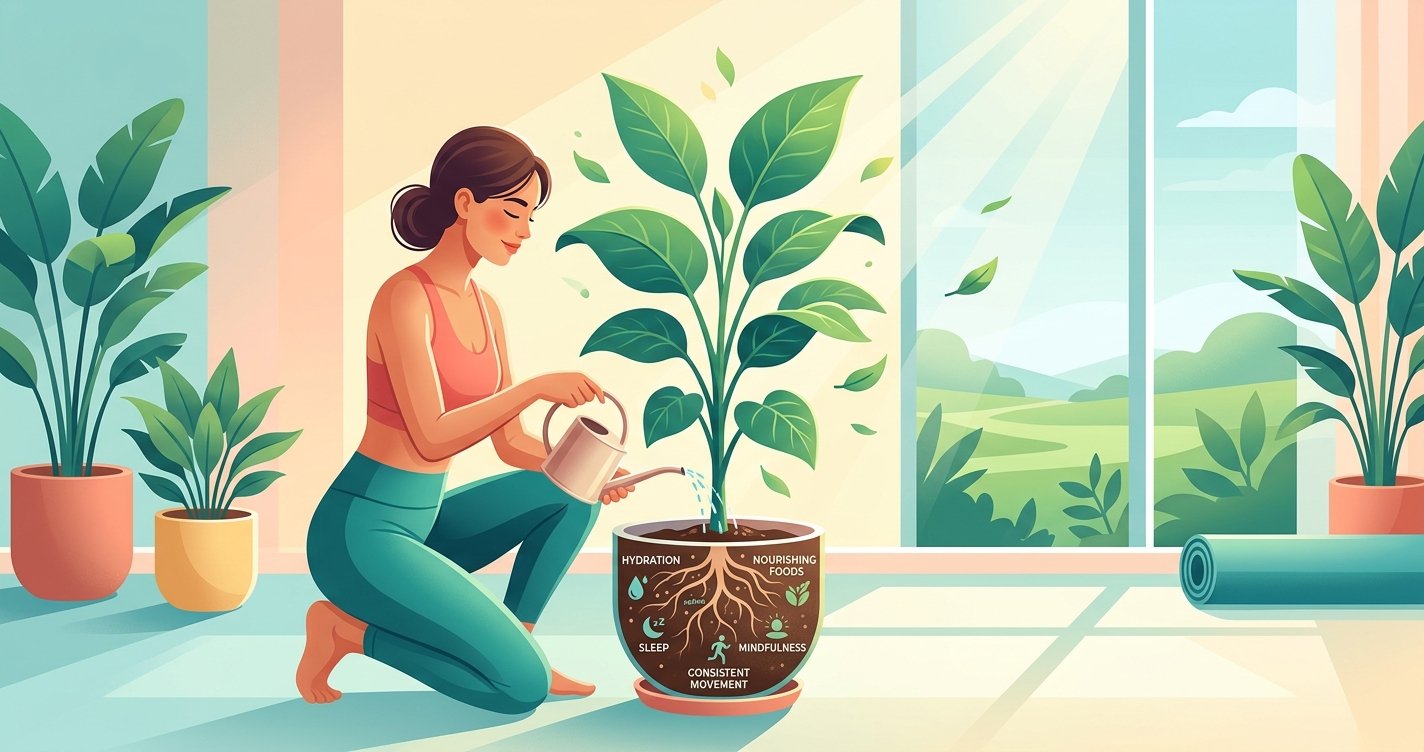
Sustainable Fat Loss: Your Friendly Guide to Building Habits That Last
Are you tired of the endless cycle of crash diets, intense workouts, and fleeting results? You're not alone. Many people embark on a fat loss journey with high hopes, only to find themselves burnt out, frustrated, and back where they started. The truth is, quick fixes rarely lead to lasting change. True, sustainable fat loss isn't about deprivation or extreme measures; it's about building healthy habits that integrate seamlessly into your life, leading to results that stick.
This isn't another promise of overnight success. Instead, we're going to explore an evidence-based, friendly, and encouraging path to achieving your fat loss goals by focusing on sustainable practices. Let's ditch the temporary fixes and embrace a lifestyle that genuinely supports your health and happiness for the long haul. this excellent wellness product
Understanding Sustainable Fat Loss: Beyond the Scale
Before diving into the 'how-to,' it's crucial to understand what sustainable fat loss truly entails. It’s not just about the number on the scale; it's about improving your overall well-being, energy levels, and relationship with food and your body.
The Pitfalls of Crash Diets and Extreme Measures
Crash diets often promise rapid fat loss by severely restricting calories or eliminating entire food groups. While you might see initial weight drop, much of this is often water weight and even muscle mass, not just fat. These diets are typically unsustainable, leading to nutrient deficiencies, metabolic slowdown, intense cravings, and ultimately, a rebound effect where the weight (and often more) is regained once the diet ends. This cycle can be incredibly damaging to both your physical and mental health.
What "Sustainable" Really Means for Fat Loss
Sustainable fat loss means creating a calorie deficit (consuming fewer calories than you burn) in a way that is manageable, enjoyable, and doesn't compromise your health or sanity. It focuses on making gradual, consistent changes to your nutrition, activity levels, and lifestyle that you can maintain indefinitely. This approach prioritizes:
- Health: Ensuring you get adequate nutrients and maintain good energy levels.
- Flexibility: Allowing for occasional treats and social events without guilt.
- Enjoyment: Finding foods and activities you genuinely like.
- Patience: Understanding that lasting results take time.
Fueling Your Body: Nutrition for Lasting Results
Nutrition is arguably the most critical component of fat loss. But it doesn't have to be complicated or joyless. It's about making smart, informed choices most of the time.
The Power of a Calorie Deficit (Sensibly Done)
To lose fat, you must consume fewer calories than your body expends. This is a fundamental principle. However, "sensibly done" means creating a moderate deficit (e.g., 300-500 calories below maintenance) that allows for steady, healthy fat loss (typically 1-2 pounds per week) without feeling deprived or overly hungry. Use an online calculator to estimate your maintenance calories and then subtract a reasonable amount.
Protein: Your Fat Loss Ally
Protein is a superstar for fat loss. It helps you feel fuller for longer, reducing overall calorie intake. It also plays a crucial role in preserving muscle mass during a calorie deficit, which is vital because muscle burns more calories at rest than fat. Aim for 0.7-1 gram of protein per pound of body weight daily from sources like lean meats, poultry, fish, eggs, dairy, legumes, and plant-based protein powders.
Smart Carb and Fat Choices
Don't demonize carbs or fats! Both are essential for energy, hormone function, and nutrient absorption. The key is choosing wisely:
- Carbohydrates: Focus on complex carbohydrates like whole grains (oats, brown rice, quinoa), fruits, and vegetables. These provide fiber, which aids satiety and digestion, and sustained energy.
- Fats: Opt for healthy fats found in avocados, nuts, seeds, olive oil, and fatty fish. These are crucial for hormone production and nutrient absorption. Portion control is key, as fats are calorie-dense.
Hydration: Often Overlooked, Always Important
Drinking enough water is simple yet incredibly effective. It can help you feel fuller, boost metabolism slightly, and is essential for countless bodily functions. Aim for at least 8 glasses (around 2 liters) of water daily, and more if you're active or in a hot climate.
Moving Your Body: Activity for Health and Fat Loss
While nutrition is paramount, incorporating regular physical activity amplifies your fat loss efforts, improves body composition, and boosts overall health and mood.
Strength Training: Build Muscle, Burn Fat
Strength training is non-negotiable for sustainable fat loss. Building and maintaining muscle mass not only gives your body a more toned appearance but also increases your resting metabolic rate, meaning you burn more calories even when you're not exercising. Aim for 2-4 strength training sessions per week, focusing on compound movements that work multiple muscle groups.
Cardio: Heart Health and Calorie Burn
Cardiovascular exercise, like brisk walking, jogging, cycling, or swimming, is excellent for burning calories, improving heart health, and boosting endurance. Aim for at least 150 minutes of moderate-intensity cardio or 75 minutes of vigorous-intensity cardio per week. Find activities you enjoy to make it sustainable!
NEAT: The Unsung Hero of Daily Activity
NEAT (Non-Exercise Activity Thermogenesis) refers to the calories you burn through everyday movements not related to structured exercise. Think walking to the store, taking the stairs, fidgeting, or doing housework. Increasing your NEAT can significantly contribute to your daily calorie expenditure. Small changes like parking further away or taking walking breaks during work can add up!
Beyond Diet and Exercise: Lifestyle Factors for Success
Fat loss isn't just about what you eat and how you move; it's deeply intertwined with your overall lifestyle. Overlooking these factors can sabotage even the best nutrition and exercise plans.
The Critical Role of Sleep
Lack of sleep can wreak havoc on your fat loss efforts. It disrupts hormones that regulate appetite (ghrelin and leptin), leading to increased hunger and cravings, especially for high-calorie, sugary foods. Poor sleep also impairs insulin sensitivity and can reduce your motivation for exercise. Aim for 7-9 hours of quality sleep per night.
Managing Stress for Better Outcomes
Chronic stress triggers the release of cortisol, a hormone that can promote fat storage, particularly around the abdominal area. Stress can also lead to emotional eating and decreased motivation for healthy habits. Incorporate stress-reducing activities into your daily routine, such as meditation, yoga, deep breathing exercises, spending time in nature, or hobbies you enjoy.
Mindful Eating and Emotional Resilience
Mindful eating involves paying attention to your body's hunger and fullness cues, savoring your food, and understanding why you're eating (is it hunger, boredom, or emotion?). Developing emotional resilience helps you cope with life's challenges without turning to food for comfort. Practice self-compassion and develop healthy coping mechanisms.
Building Habits That Stick: Your Path to Lasting Change
The secret to sustainable fat loss lies in transforming temporary efforts into permanent habits. This takes time, patience, and a strategic approach.
Small Changes, Big Impact
Don't try to overhaul everything at once. Start with one or two small, manageable changes you can consistently implement. For example, commit to drinking a glass of water before each meal, adding a serving of vegetables to dinner, or taking a 15-minute walk daily. Small wins build momentum and confidence.
Consistency Over Perfection
There will be days when you don't hit your targets perfectly, and that's okay! The goal isn't perfection; it's consistency over time. If you have an off day or a splurge meal, acknowledge it, learn from it, and get back on track with your next meal or workout. Don't let one slip-up derail your entire journey.
Tracking Progress (Beyond the Scale)
While the scale can be one indicator, it doesn't tell the whole story. Track other markers of progress:
- Measurements: Waist, hips, arms, and thighs can show changes even if the scale doesn't budge.
- Photos: Before and after photos can be incredibly motivating.
- Energy levels: Notice improvements in your daily energy and vitality.
- Strength: Are you lifting more or doing more reps in the gym?
- Clothing fit: How do your clothes feel?
- Mood: Are you feeling happier and more confident?
Your Journey to Lasting Fat Loss Starts Now
Sustainable fat loss is a journey, not a destination. It's about cultivating a healthier relationship with your body, food, and lifestyle. By focusing on consistent, small, evidence-based habits in nutrition, exercise, sleep, and stress management, you're not just losing fat; you're building a stronger, healthier, and happier you for life.
Be patient with yourself, celebrate every small victory, and remember that every healthy choice you make is a step towards lasting success. You've got this!