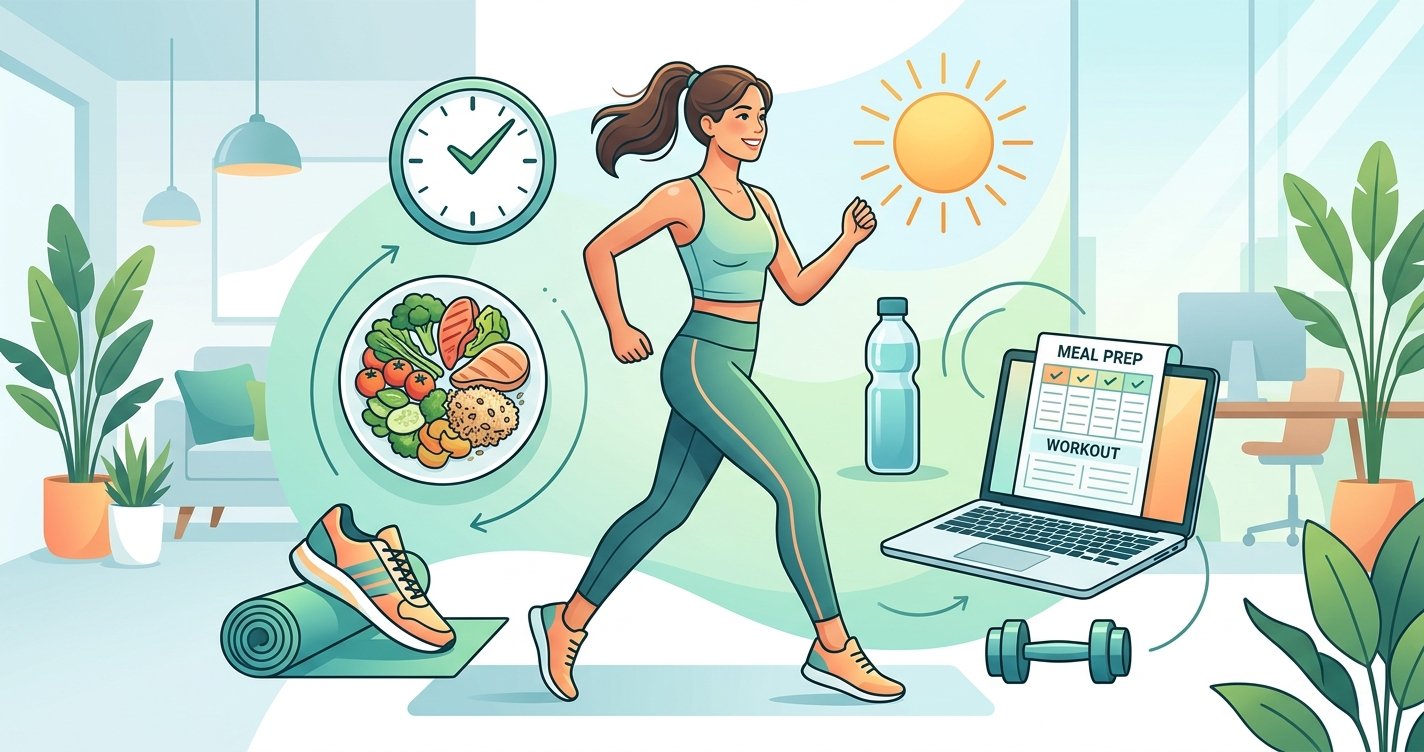
Beyond the Hype: Your Guide to Sustainable Fat Loss for Busy Lives
In a world obsessed with quick fixes, detox teas, and extreme diets, the idea of “sustainable fat loss” often gets lost in the noise. We're bombarded with images of rapid transformations, promising overnight success if we just buy this supplement or try that restrictive plan. But if you’re a busy individual – juggling work, family, social life, and everything in between – you know that these quick fixes are rarely sustainable, often unhealthy, and almost always lead to frustration and rebound weight gain.
This isn't about deprivation or endless hours at the gym. This is about understanding your body, making smart, achievable choices, and building habits that fit into your real life, not just for a few weeks, but for good. Let’s ditch the unsustainable hype and embrace a friendly, evidence-based approach to shedding fat and feeling fantastic, even when life gets hectic. this excellent wellness product
The Truth About Fat Loss: It's a Marathon, Not a Sprint
Before we dive into strategies, let's get one thing straight: fat loss is a journey, not a destination you reach by tomorrow morning. Our bodies are complex, adaptive machines. Rapid weight loss often comes from losing water and muscle, not just fat, and it signals to your body that it's in a crisis, making it more likely to hold onto fat later.
Why Quick Fixes Fail (and what to do instead)
- Extreme Restriction: Severely cutting calories or eliminating entire food groups is unsustainable. It leads to nutrient deficiencies, intense cravings, and often, binge eating.
- Lack of Education: Quick fixes rarely teach you why certain foods are better or how your body works. Sustainable fat loss empowers you with knowledge.
- No Lifestyle Change: Once the 'diet' is over, people often revert to old habits because the changes weren't integrated into their daily lives.
Instead, we focus on gradual, consistent changes that you can stick with for the long haul. Think of it as upgrading your lifestyle, one smart choice at a time.
Laying the Foundation: The Calorie Deficit (Simplified)
At its core, fat loss comes down to one fundamental principle: consuming fewer calories than your body burns. This creates a 'calorie deficit,' forcing your body to tap into its stored fat for energy. It sounds simple, and it is, but the execution is where many get tripped up.
Don't Starve Yourself: Focus on Nutrient Density
A calorie deficit doesn't mean eating tiny portions of bland food. It means making smarter food choices that offer high nutritional value for fewer calories. Think lean proteins, colorful vegetables, fruits, and whole grains. These foods are packed with vitamins, minerals, and fiber, keeping you full and satisfied without excess calories.
For busy individuals, this means planning. A little meal prep on Sunday can save you from impulse unhealthy choices during a chaotic week. Pack healthy snacks like fruit, nuts, or Greek yogurt to avoid vending machine temptations.
Fueling Your Body Right: The Power of Protein and Fiber
When you're aiming for fat loss, protein and fiber are your best friends. They work synergistically to help you feel full, preserve muscle mass, and stabilize blood sugar.
Protein: Your Fat Loss Ally
Protein is crucial for several reasons:
- Satiety: It keeps you feeling full for longer, reducing overall calorie intake.
- Muscle Preservation: When in a calorie deficit, adequate protein intake helps preserve your precious muscle mass, which is metabolically active (meaning it burns more calories even at rest).
- Thermic Effect: Your body uses more energy to digest protein compared to fats or carbohydrates.
Practical Protein Sources: Chicken breast, fish, lean beef, eggs, Greek yogurt, cottage cheese, lentils, beans, tofu, protein powder.
Fiber: The Unsung Hero
Fiber is often overlooked but plays a vital role in sustainable fat loss:
- Satiety: Like protein, fiber adds bulk to your meals, making you feel full without adding many calories.
- Digestive Health: Keeps your digestive system running smoothly.
- Blood Sugar Control: Slows down sugar absorption, preventing spikes and crashes that can lead to cravings.
Practical Fiber Sources: Vegetables (broccoli, spinach, carrots), fruits (berries, apples, pears), whole grains (oats, quinoa, brown rice), legumes (beans, chickpeas).
Move More, Live Better: Smart Exercise for Busy Schedules
You don't need to live in the gym to see results. Smart, consistent movement is key. The goal is to find activities you enjoy and can realistically incorporate into your busy life.
Strength Training: Build Muscle, Burn Fat
Don't skip the weights! Strength training is incredibly effective for fat loss, especially for women who often fear 'bulking up' (it's much harder than you think!).
- Boosts Metabolism: More muscle means a higher resting metabolic rate, burning more calories even when you're not exercising.
- Shapes Your Body: Builds a stronger, more toned physique.
- Increases Strength: Makes everyday tasks easier and improves overall functional fitness.
Busy-friendly ideas: 2-3 full-body workouts per week (30-45 minutes each) using bodyweight, dumbbells, or resistance bands. Even 15-minute sessions can add up!
Cardio: Your Heart's Best Friend (and a Calorie Burner)
Cardiovascular exercise is excellent for heart health, burning calories, and improving endurance.
- HIIT (High-Intensity Interval Training): Short bursts of intense exercise followed by brief recovery periods. Time-efficient and effective.
- LISS (Low-Intensity Steady State): Brisk walking, cycling, swimming. Great for active recovery and burning calories without excessive stress on the body.
Busy-friendly ideas: A brisk 30-minute walk during your lunch break, a 15-minute HIIT session before work, or taking the stairs instead of the elevator.
NEAT: The Movement You Don't Even Notice
Non-Exercise Activity Thermogenesis (NEAT) refers to the calories you burn through everyday activities that aren't formal exercise. And for busy people, this can make a huge difference!
- Park further away.
- Take the stairs.
- Walk while on phone calls.
- Stand at your desk.
- Do household chores more vigorously.
These small movements add up throughout the day, contributing significantly to your overall calorie expenditure.
Beyond Food and Exercise: The Holistic Approach
Sustainable fat loss isn't just about what you eat and how you move; it's about nurturing your entire well-being. These often-overlooked factors can significantly impact your results.
Prioritize Sleep: The Unsung Fat Loss Factor
Lack of sleep wreaks havoc on your hormones, specifically increasing ghrelin (the hunger hormone) and decreasing leptin (the satiety hormone). This leads to increased cravings for unhealthy foods and makes fat loss much harder.
Aim for 7-9 hours of quality sleep per night. Create a relaxing bedtime routine, limit screen time before bed, and make your bedroom a sanctuary.
Manage Stress: Cortisol's Role
Chronic stress elevates cortisol levels, a hormone that can promote fat storage, especially around the abdomen. High stress also often leads to emotional eating and less motivation for healthy habits.
Find healthy ways to manage stress: meditation, deep breathing, spending time in nature, journaling, or connecting with loved ones.
Hydration: Simple Yet Powerful
Drinking enough water is fundamental. It supports metabolism, helps transport nutrients, and can even help you feel fuller. Sometimes, what you perceive as hunger is actually thirst.
Keep a water bottle handy and sip throughout the day. Aim for around 2-3 liters (8-12 glasses) daily, adjusting based on your activity level and climate.
Consistency Over Perfection: Your Long-Term Strategy
The biggest secret to sustainable fat loss isn't a secret at all: it's consistency. You won't be perfect every day, and that's okay. The occasional treat or missed workout won't derail your progress if you consistently return to your healthy habits.
Mindful Eating: Reconnect with Your Body
In our busy lives, eating often becomes an afterthought. Mindful eating means paying attention to your food – its taste, texture, and how it makes you feel. It helps you recognize true hunger and fullness cues, preventing overeating.
- Eat slowly, without distractions.
- Savor each bite.
- Listen to your body's signals of hunger and fullness.
Your Journey Starts Now
Sustainable fat loss for busy individuals isn't about grand gestures; it's about small, consistent, intentional steps. It’s about empowering yourself with knowledge, making choices that serve your body and your life, and embracing the journey with patience and self-compassion.
Start today by picking one or two areas from this guide that resonate most with you. Maybe it's adding more protein to your breakfast, taking a 15-minute walk, or committing to an earlier bedtime. Remember, every small step forward is progress. You have the power to create lasting change and build a healthier, happier you, one sustainable habit at a time.