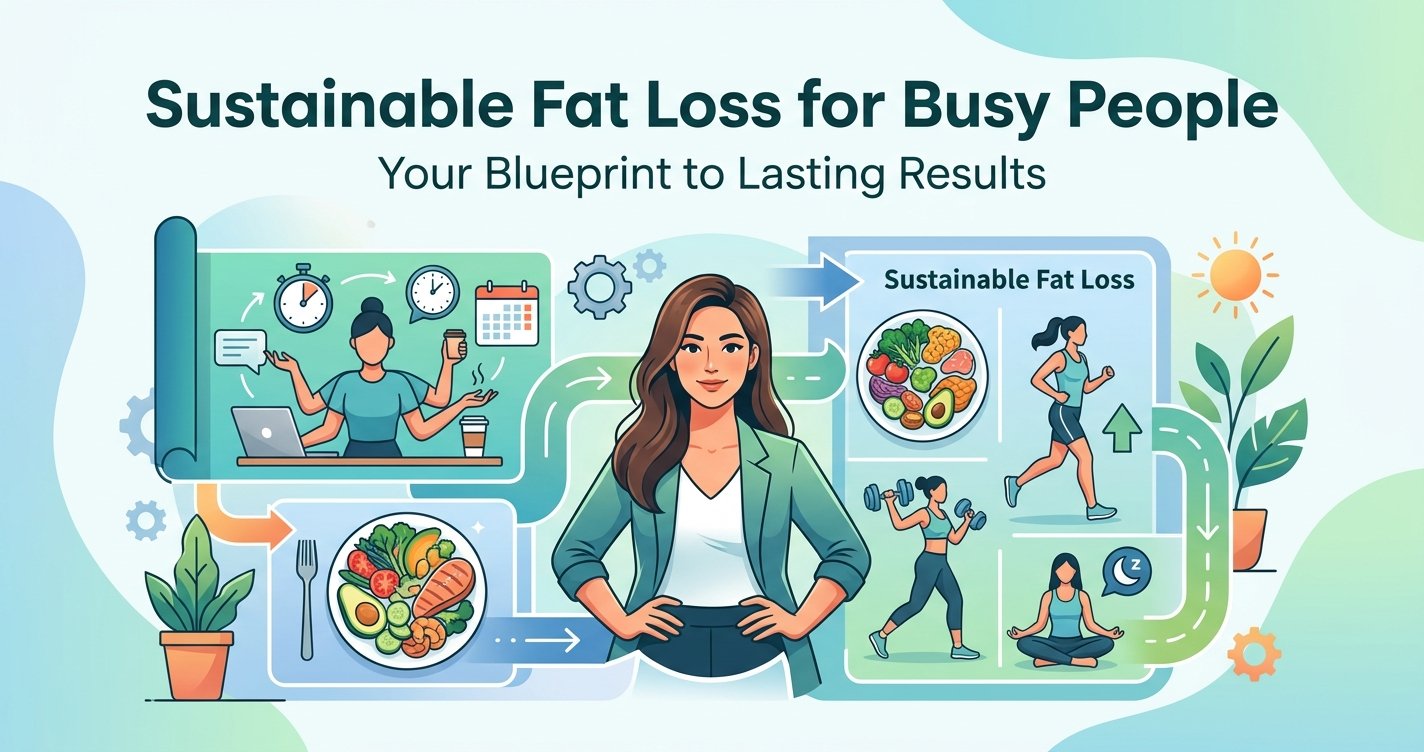
Sustainable Fat Loss for Busy People: Your Blueprint to Lasting Results
In today's fast-paced world, finding time for self-care, let alone a dedicated fat loss journey, can feel like an impossible task. You're juggling work, family, social commitments, and by the end of the day, the thought of meal prepping or hitting the gym feels utterly overwhelming. We get it. The good news? Sustainable fat loss doesn't demand hours of your time or extreme measures. It's about smart, consistent choices that fit seamlessly into your life, not overhaul it.
This guide is designed for the busy individual – the parent, the professional, the student – who wants to shed unwanted fat without sacrificing their sanity. We'll dive into evidence-based strategies that prioritize efficiency, consistency, and long-term health, helping you build habits that stick. this excellent wellness product
Understanding the Core: The Calorie Deficit (and Why It Matters)
Before we jump into specific tactics, let's clarify the fundamental principle of fat loss: the calorie deficit. Simply put, to lose fat, you need to consume fewer calories than your body burns. Your body then taps into its fat stores for energy.
- It's Not Starvation: A calorie deficit isn't about deprivation; it's about mindful consumption. It means providing your body with enough fuel to function optimally while encouraging it to use stored energy (fat).
- Individual Needs: Your ideal calorie target depends on factors like your age, sex, activity level, and current weight. Online calculators can provide a starting point, but listening to your body and tracking intake for a short period can help you find your sweet spot.
- The Foundation: While exercise, sleep, and stress management are crucial, they support the calorie deficit; they don't replace it. Getting this principle right is your first, most important step.
Fueling Your Body Smartly: Nutrition Hacks for the Time-Strapped
Nutrition is arguably the most impactful lever for fat loss. But how do you eat well when you have zero time?
Prioritize Protein and Fiber: Your Satiety Superheroes
Protein and fiber are your best friends for feeling full and satisfied, which is key to managing a calorie deficit without constant hunger.
- Protein Power: Aim for a source of lean protein (chicken, fish, tofu, lentils, Greek yogurt) at every meal. Protein helps preserve muscle mass during fat loss and has a high thermic effect, meaning your body burns more calories digesting it.
- Fiber-Rich Foods: Load up on vegetables, fruits, and whole grains. Fiber adds bulk to your meals, slowing digestion and promoting fullness. Think big salads, berries, oats, and whole-wheat bread.
Smart Meal Planning & Prep: Your Time-Saving Strategy
This doesn't mean cooking for hours every Sunday. Small, strategic efforts go a long way.
- Batch Cook Basics: Cook a large batch of chicken breast, quinoa, or roasted vegetables to use in various meals throughout the week.
- Simple Assemblies: Focus on meals that require minimal cooking, like salads with pre-cooked protein, quick stir-fries, or protein smoothies.
- Healthy Convenience: Keep healthy snacks on hand (nuts, fruit, yogurt, hard-boiled eggs) to avoid impulsive unhealthy choices when hunger strikes.
- Hydration is Key: Often, thirst is mistaken for hunger. Keep a water bottle handy and sip throughout the day.
Moving More, Not Necessarily Longer: Efficient Exercise Strategies
You don't need to live in the gym to see results. Smart, efficient workouts are far more impactful than sporadic, long ones.
Strength Training: Your Metabolic Booster
Don't skip the weights! Strength training is crucial for fat loss, especially for busy individuals.
- Muscle Matters: Muscle tissue is more metabolically active than fat, meaning it burns more calories at rest. Building and preserving muscle helps you burn more calories even when you're not exercising.
- Time-Efficient: Even 2-3 full-body strength sessions of 30-45 minutes per week can yield significant results. Focus on compound movements (squats, deadlifts, push-ups, rows) that work multiple muscle groups.
HIIT and NEAT: Maximizing Your Movement
- High-Intensity Interval Training (HIIT): Short bursts of intense exercise followed by brief recovery periods. A 15-20 minute HIIT session can be incredibly effective for calorie burning and improving cardiovascular fitness.
- Non-Exercise Activity Thermogenesis (NEAT): This is the energy expended for everything we do that is not sleeping, eating, or sports-like exercise. Think walking, fidgeting, taking the stairs. For busy people, increasing NEAT is a game-changer. Take phone calls standing up, park further away, walk during lunch breaks, or chase your kids around! These small movements add up significantly throughout the day.
The Unsung Heroes: Sleep, Stress, and Consistency
These often-overlooked factors play a massive role in your body's ability to lose fat and maintain overall health.
Sleep Your Way to Success
Lack of sleep can sabotage your fat loss efforts by disrupting hunger-regulating hormones.
- Hormone Havoc: Insufficient sleep increases ghrelin (the hunger hormone) and decreases leptin (the satiety hormone), making you feel hungrier and less satisfied. It also elevates cortisol, a stress hormone linked to belly fat storage.
- Aim for 7-9 Hours: Prioritize sleep as much as you do your workouts or meal prep. A consistent sleep schedule, even on weekends, can make a huge difference.
Mastering Stress for Better Results
Chronic stress triggers the release of cortisol, which can promote fat storage, especially around the midsection, and increase cravings for unhealthy comfort foods.
- Find Your Outlet: Whether it's meditation, a quick walk, reading a book, or listening to music, find healthy ways to manage stress. Even 10-15 minutes of mindfulness can have a profound impact.
Consistency Over Perfection
This is perhaps the most crucial element for sustainable fat loss. Life happens. You'll have off days, indulgent meals, or missed workouts. That's okay!
- Embrace the 80/20 Rule: Aim to be consistent 80% of the time, allowing for flexibility and enjoyment the other 20%.
- Small Habits Compound: Don't try to change everything at once. Focus on one or two small, actionable habits (e.g., drinking more water, adding protein to breakfast) and build from there.
Building Your Personalized Sustainable Plan: Practical Steps
Ready to put it all into action? Here’s how to start building your blueprint:
- Assess Your Current Habits: For a few days, simply observe your eating patterns, activity levels, and sleep without judgment. This provides valuable insight into where you can make small, impactful changes.
- Set Realistic, Small Goals: Instead of “lose 20 pounds,” try “add a serving of vegetables to dinner” or “take a 15-minute walk daily.”
- Plan Ahead (Even a Little): Spend 15 minutes on Sunday looking at your week. Identify busy days and plan simple meals or pre-portioned snacks for them.
- Track Progress Beyond the Scale: Focus on non-scale victories like increased energy, better sleep, clothes fitting differently, or improved mood. The scale is just one metric.
- Be Patient and Kind to Yourself: Fat loss is a journey, not a race. There will be ups and downs. Celebrate small victories and learn from setbacks without self-criticism.
Your Sustainable Fat Loss Journey Starts Now
You don't need more time; you need smarter strategies. By focusing on a sustainable calorie deficit, prioritizing protein and fiber, incorporating efficient movement, and respecting the power of sleep and stress management, you can achieve lasting fat loss without overwhelming your already busy life. Remember, this isn't about perfection; it's about progress, consistency, and building a healthier, happier you. Start small, stay consistent, and watch your efforts compound into incredible results. You’ve got this!