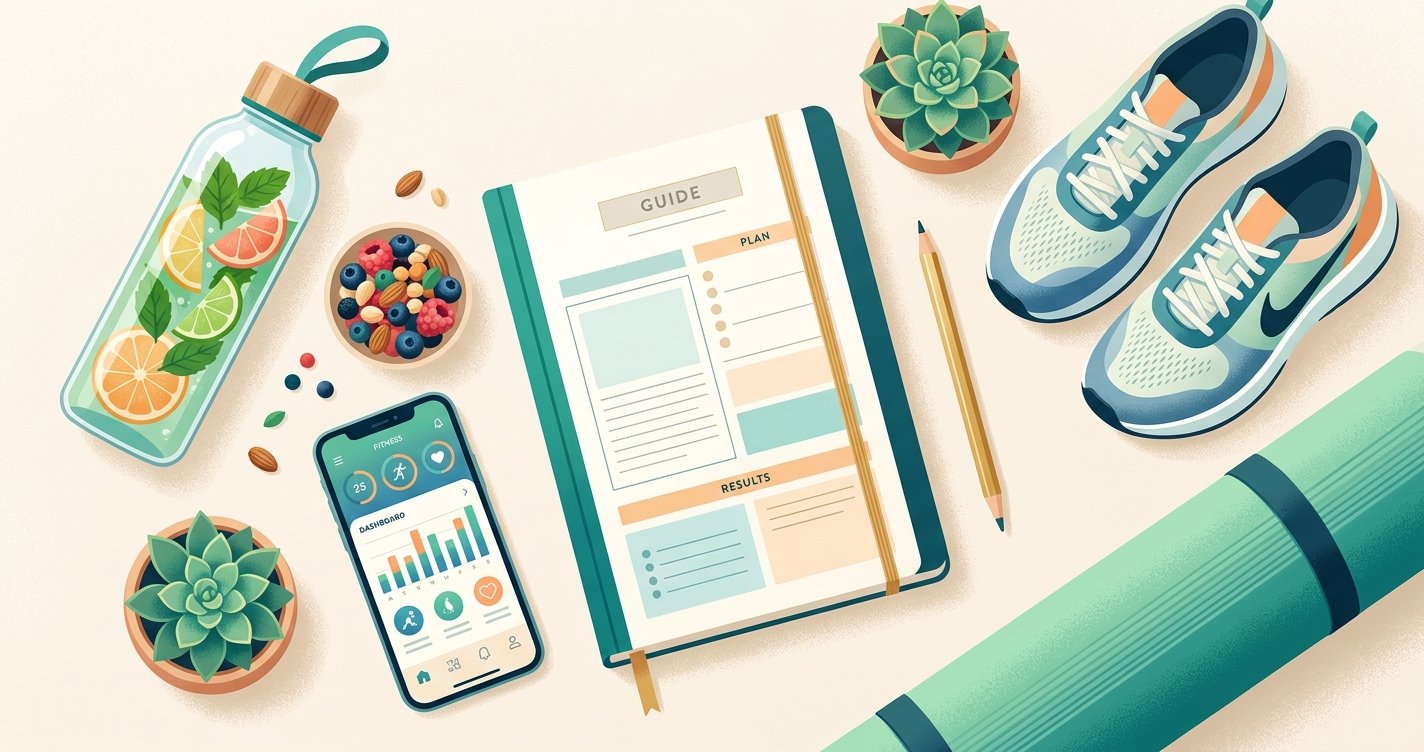
In a world that constantly demands our attention, finding the time and energy for sustainable fat loss can feel like an insurmountable challenge. You’re juggling work, family, social commitments, and perhaps a passion project or two. The idea of adding rigorous diets and lengthy gym sessions to your already packed schedule might seem utterly overwhelming. But what if we told you that achieving your fat loss goals doesn’t have to mean sacrificing your entire life? What if there’s a smarter, more sustainable path designed specifically for busy individuals like you?
This comprehensive guide is built on evidence-based principles, offering practical, actionable strategies to help you navigate the complexities of fat loss without feeling deprived or burnt out. We’ll cut through the noise of fad diets and unrealistic expectations, focusing instead on building habits that fit seamlessly into your busy lifestyle, leading to lasting results. Get ready to transform your body and mind, not by doing more, but by doing what truly matters, more effectively. this excellent wellness product
The Non-Negotiables: Understanding the Science of Fat Loss
Before diving into strategies, it’s crucial to understand the fundamental science behind fat loss. This isn't about restrictive eating or endless cardio; it’s about creating an environment where your body naturally taps into its fat stores.
Calorie Deficit: The Foundation You Can't Ignore
At its heart, fat loss boils down to one simple equation: you must consume fewer calories than your body expends. This is known as a calorie deficit. While specific numbers vary per individual, typically a deficit of 300-500 calories per day is a good starting point for sustainable fat loss (roughly 0.5-1 pound per week). For busy people, this doesn't mean meticulously counting every single calorie, but rather developing an awareness of portion sizes and making smarter food choices. Focus on nutrient-dense foods that provide satiety without excessive calories.
Prioritizing Protein for Satiety and Muscle Preservation
When you're in a calorie deficit, your body might try to break down muscle tissue for energy. This is where protein becomes your best friend. Adequate protein intake (typically 0.7-1 gram per pound of body weight for active individuals) is crucial for:
- Satiety: Protein is the most filling macronutrient, helping you feel fuller for longer and reducing cravings.
- Muscle Preservation: It helps protect your lean muscle mass during fat loss, which is vital for maintaining a healthy metabolism.
- Thermogenesis: Your body expends more energy to digest protein compared to fats or carbs.
Think lean meats, poultry, fish, eggs, dairy, legumes, and protein supplements. Incorporating protein into every meal is a simple yet powerful strategy.
Smart Strategies for Time-Strapped Schedules
Now, let's translate these principles into practical steps that fit your busy life.
Mastering Meal Prep and Healthy Snacking
One of the biggest hurdles for busy people is consistent access to healthy food. This is where meal prepping shines.
- Batch Cooking: Dedicate a few hours on a less busy day (e.g., Sunday) to cook staples like grilled chicken, roasted vegetables, quinoa, or brown rice. Store them in individual containers for quick assembly during the week.
- Simple Recipes: Don't overcomplicate it. Focus on 3-5 ingredient meals that are easy to prepare.
- Smart Snacking: Keep healthy, pre-portioned snacks readily available. Think Greek yogurt, a handful of nuts, fruit, or hard-boiled eggs. This prevents impulsive, unhealthy choices when hunger strikes.
- Grocery List Discipline: Plan your meals for the week and stick to your grocery list to avoid impulse buys of processed foods.
Efficient Workouts: Maximizing Your Time
You don't need to spend hours in the gym. Quality trumps quantity when it comes to exercise for fat loss.
- Strength Training (2-3 times/week): Prioritize full-body strength training sessions lasting 30-45 minutes. Building muscle not only helps shape your body but also boosts your resting metabolism, meaning you burn more calories even at rest. Focus on compound movements like squats, deadlifts, presses, and rows.
- High-Intensity Interval Training (HIIT) (1-2 times/week): Short bursts of intense exercise followed by brief recovery periods can be incredibly effective for calorie burning and improving cardiovascular fitness in a minimal amount of time (15-20 minutes).
- Integrate Movement: Look for opportunities to move more throughout your day. Take the stairs, park further away, walk during phone calls, or stand at your desk.
The Power of NEAT (Non-Exercise Activity Thermogenesis)
NEAT refers to the calories you burn through activities that aren't formal exercise, like walking, fidgeting, gardening, or cleaning. For busy individuals, increasing NEAT can significantly contribute to your daily calorie expenditure without requiring dedicated gym time. Aim for simple swaps: take the stairs instead of the elevator, walk to grab lunch, or stand while working. These small movements add up!
Beyond Diet and Exercise: Holistic Pillars of Success
Fat loss isn't just about what you eat and how much you move. Your overall lifestyle plays a massive role.
Sleep: Your Secret Weapon for Fat Loss
In our fast-paced lives, sleep is often the first thing to be sacrificed. However, chronic sleep deprivation can sabotage your fat loss efforts in multiple ways:
- Hormonal Imbalance: Lack of sleep can increase ghrelin (the hunger hormone) and decrease leptin (the satiety hormone), leading to increased appetite and cravings for unhealthy foods. It also elevates cortisol, a stress hormone linked to belly fat storage.
- Reduced Energy: Poor sleep makes you feel tired, reducing your motivation for exercise and increasing your reliance on quick-fix energy sources (read: sugary snacks).
Aim for 7-9 hours of quality sleep per night. Create a consistent sleep schedule, make your bedroom dark and cool, and limit screen time before bed.
Stress Management: Taming the Cortisol Beast
Chronic stress, often a byproduct of a busy life, can significantly hinder fat loss. When stressed, your body releases cortisol, which, over time, can lead to increased appetite, cravings for comfort foods, and a tendency to store fat around the abdominal area.
Finding healthy ways to manage stress is vital. This could include:
- Mindfulness & Meditation: Even 5-10 minutes a day can make a difference.
- Deep Breathing Exercises: Simple techniques to calm your nervous system.
- Hobbies & Downtime: Schedule dedicated time for relaxation and activities you enjoy.
- Connecting with Loved Ones: Social support is a powerful stress buffer.
Setting Realistic Expectations and Building Habits
Sustainable fat loss is a marathon, not a sprint. Embrace the journey.
Focus on Progress, Not Perfection
There will be days when you miss a workout, eat an unplanned meal, or don't get enough sleep. That's okay! Don't let one slip-up derail your entire progress. Acknowledge it, learn from it, and get back on track with your next meal or next opportunity to move. Consistency over perfection is the key to long-term success.
Consistency Over Intensity
It's far better to consistently make small, sustainable changes than to attempt drastic, unsustainable ones. Instead of aiming for an hour-long intense workout every day (which might not be feasible), commit to 30 minutes of walking daily and 2-3 strength sessions per week. These smaller, consistent efforts build momentum and become ingrained habits.
Track Your Progress (Beyond the Scale)
The scale is just one metric. Also, consider:
- Measurements: Track waist, hip, and other body measurements.
- How your clothes fit: A reliable indicator of body composition changes.
- Energy levels: Are you feeling more energetic and vibrant?
- Strength gains: Are you getting stronger in your workouts?
- Sleep quality: Is your sleep improving?
These non-scale victories are powerful motivators and reflect true progress.
Achieving sustainable fat loss while leading a busy life is entirely possible. It requires a shift in mindset from seeking quick fixes to embracing consistent, evidence-based strategies that respect your time and energy. By focusing on a calorie deficit, prioritizing protein, mastering meal prep, optimizing your workouts, valuing sleep, and managing stress, you're not just losing weight; you're building a healthier, more resilient version of yourself. Remember, every small, consistent step you take adds up to significant, lasting change. You've got this!