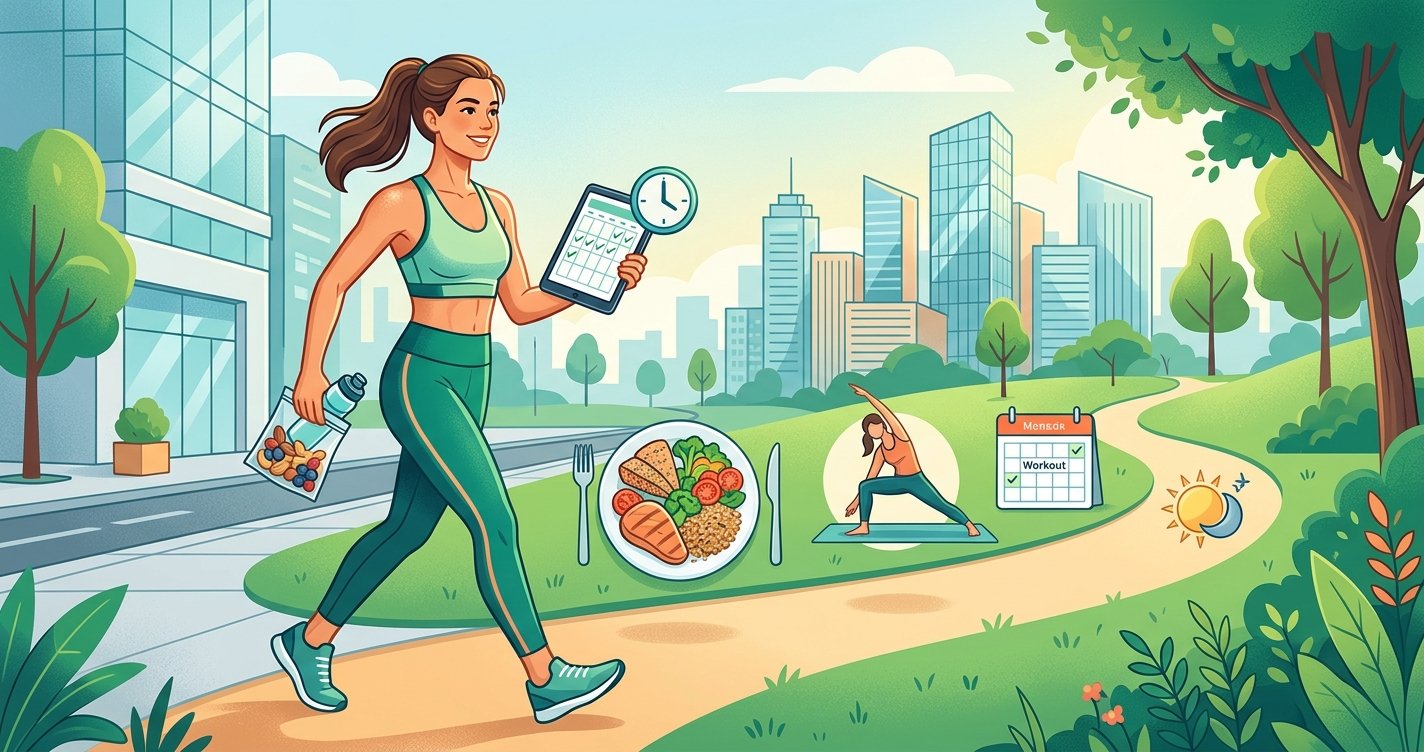
In today's fast-paced world, finding time for self-care, let alone a dedicated fat loss journey, can feel like an impossible task. You're juggling work, family, social commitments, and by the end of the day, the thought of meal prepping or hitting the gym feels overwhelming. Sound familiar? You're not alone. Many busy individuals struggle with the misconception that effective fat loss requires extreme measures, hours at the gym, or restrictive diets. The good news? That's simply not true.
This post is your friendly, evidence-based guide to achieving sustainable fat loss, even when your schedule is packed. We're going to explore practical, time-efficient strategies that fit seamlessly into your life, helping you shed excess fat, boost your energy, and feel great without sacrificing your sanity. Forget the quick fixes and unsustainable trends; we're focusing on building habits that last a lifetime. Let's dive in! this excellent wellness product
The Foundation: Why Sustainability Matters More Than Speed
When it comes to fat loss, the allure of rapid results can be incredibly tempting. Crash diets and intense workout programs promise quick transformations, but they often lead to burnout, nutrient deficiencies, and eventually, regaining the lost weight (and sometimes more). For busy people, these extreme approaches are even less feasible. Our goal isn't just to lose fat; it's to keep it off and improve overall health, which requires a sustainable, long-term approach.
Understanding the "Busy Trap"
The "busy trap" often leads us to believe we don't have time for healthy habits, or that we need to wait for a "perfect" time to start. This mindset is a significant barrier. Instead of waiting for a clear calendar, we'll focus on integrating small, consistent changes that accumulate over time, creating powerful results without adding more stress to your already full plate.
Smart Nutrition: Fueling Your Body, Not Just Cutting Calories
Nutrition is arguably the most crucial component of fat loss. You don't need to starve yourself or eat bland, boring food. The key is making smart, informed choices that keep you satisfied, energized, and support your metabolism.
The Power of Meal Prep (Even Small Steps Count)
The idea of spending an entire Sunday cooking can be daunting. But meal prep doesn't have to be an all-or-nothing endeavor. Even small steps can make a huge difference:
- Batch Cook Staples: Cook a large batch of lean protein (chicken breast, fish, tofu) or complex carbs (quinoa, brown rice) that can be mixed and matched for several meals throughout the week.
- Prep Components: Wash and chop your veggies for easy snacking or quick additions to stir-fries and salads.
- Smart Breakfasts: Overnight oats, pre-portioned smoothie ingredients, or hard-boiled eggs can save precious morning minutes.
- Healthy Snacks Ready: Keep nuts, seeds, fruit, or Greek yogurt readily available to avoid reaching for less healthy options when hunger strikes.
Planning ahead reduces decision fatigue and helps you stick to your goals, especially when you're pressed for time.
Prioritizing Protein and Fiber
These two macronutrients are your best friends for fat loss. Protein is essential for muscle preservation during weight loss, and it's incredibly satiating, helping you feel fuller for longer. Fiber, found in fruits, vegetables, and whole grains, also contributes to satiety, aids digestion, and helps regulate blood sugar levels.
- Aim for a source of lean protein at every meal (e.g., chicken, fish, tofu, beans, eggs, Greek yogurt).
- Load up on non-starchy vegetables at lunch and dinner to boost fiber intake.
Hydration: Your Secret Weapon
Often overlooked, adequate water intake is vital. It supports metabolism, helps with satiety (sometimes thirst is mistaken for hunger), and keeps your body functioning optimally. Keep a water bottle handy and sip throughout the day. Aim for at least 8 glasses, but listen to your body and adjust based on activity levels.
Time-Efficient Movement: Making Every Minute Count
You don't need to spend hours at the gym to see results. Smart, efficient workouts can be incredibly effective for burning fat and building muscle, even with limited time.
High-Intensity Interval Training (HIIT) & Strength Training
These two types of exercise offer the biggest bang for your buck:
- HIIT: Short bursts of intense exercise followed by brief recovery periods. A 15-20 minute HIIT session (e.g., sprints, burpees, jumping jacks, cycling) can be incredibly effective for calorie burning and improving cardiovascular fitness.
- Strength Training: Building muscle is crucial for fat loss because muscle tissue burns more calories at rest than fat tissue. You can get an effective full-body workout in 30-45 minutes, 2-3 times a week, using bodyweight, resistance bands, or weights. Focus on compound movements like squats, lunges, push-ups, and rows.
Remember, consistency trumps intensity. Even a 10-minute workout is better than no workout.
Incorporating NEAT (Non-Exercise Activity Thermogenesis)
NEAT refers to the energy expended for everything we do that is not sleeping, eating, or sports-like exercise. It's the fidgeting, walking to the printer, taking the stairs, or standing while working. Small increases in NEAT throughout your day can significantly contribute to your overall calorie expenditure.
- Take the stairs instead of the elevator.
- Park further away from your destination.
- Walk during phone calls or meetings.
- Set reminders to stand up and stretch every hour.
- Go for a brisk 15-minute walk during your lunch break.
Master Your Mindset & Lifestyle: Beyond Diet and Exercise
Fat loss isn't just about what you eat and how much you move. Your overall lifestyle, including sleep, stress levels, and mindset, plays a massive role.
The Crucial Role of Sleep
When you're sleep-deprived, your body produces more ghrelin (the hunger hormone) and less leptin (the satiety hormone). This imbalance can lead to increased cravings for unhealthy foods and a tendency to overeat. Aim for 7-9 hours of quality sleep per night. Prioritize it as much as you would a workout or a healthy meal.
Stress Management for Fat Loss
Chronic stress elevates cortisol levels, which can promote fat storage, particularly around the abdomen. Finding healthy ways to manage stress is vital. This could include:
- Mindfulness or meditation for 5-10 minutes daily.
- Deep breathing exercises.
- Spending time in nature.
- Engaging in hobbies you enjoy.
- Connecting with loved ones.
Even small pockets of relaxation can make a difference.
Cultivating a Positive Relationship with Food
No food is inherently "bad," and restrictive thinking often backfires. Focus on nourishing your body most of the time, and allow for occasional treats without guilt. Practice mindful eating: slow down, savor your food, and pay attention to your body's hunger and fullness cues. This helps prevent overeating and fosters a healthier relationship with food, which is key for long-term sustainability.
Putting It All Together: Your Personalized Action Plan
You don't have to implement all these strategies at once. The beauty of sustainable fat loss is starting small and building momentum. Here’s how to create your personalized action plan:
- Identify 1-2 Small Changes: What's one nutritional change (e.g., add protein to breakfast) and one movement change (e.g., 15-minute walk daily) you can realistically commit to this week?
- Schedule Your Health: Just like you schedule meetings, schedule your meal prep time, workouts, and even your wind-down routine for sleep.
- Track Your Progress (Beyond the Scale): While the scale is one metric, also note how your clothes fit, your energy levels, your mood, and your strength. Celebrate non-scale victories!
- Be Patient and Kind to Yourself: Fat loss is a journey, not a race. There will be good days and challenging days. Don't let a slip-up derail your entire progress. Learn from it and get back on track.
Embrace the Journey to a Healthier You
Achieving sustainable fat loss when you're busy isn't about perfection; it's about consistency, smart choices, and self-compassion. By focusing on practical nutrition, efficient movement, quality sleep, and stress management, you can transform your body and your health without feeling overwhelmed. Remember, every small, consistent effort adds up to significant, lasting results. You've got this! Start today, one small step at a time, and build the healthy, energetic life you deserve.