Unlock Sustainable Fat Loss: The Power of Caloric Deficit & Macronutrient Balance
Hey there, future healthier you! Are you tired of the diet rollercoaster, the quick fixes that never last, and the endless confusion around fat loss? You’re not alone. Many people get caught in the trap of restrictive eating plans that are impossible to maintain, leading to frustration and often, regaining any lost weight. But what if there was a simpler, more sustainable path to achieving your fat loss goals and keeping the weight off for good?
Good news: there is! It’s rooted in two fundamental, evidence-based principles: creating a modest, sustainable caloric deficit and understanding the power of macronutrient balance. Forget the fads; we’re diving into a strategy that respects your body, fuels your life, and helps you build lasting habits. Let’s explore how you can transform your approach to fat loss, making it effective, enjoyable, and enduring. this excellent wellness product
Understanding the Caloric Deficit: The Golden Rule of Fat Loss
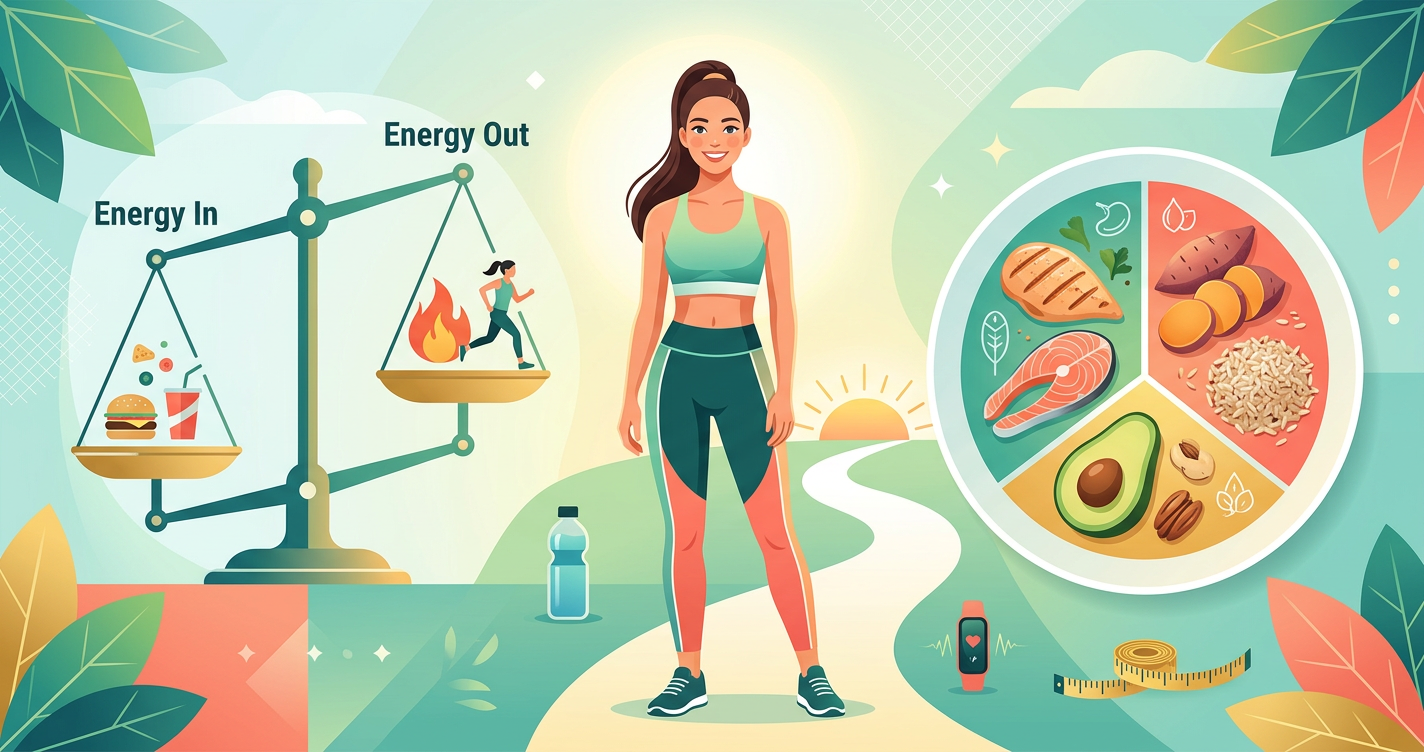
At its core, fat loss boils down to one simple equation: you need to consume fewer calories than your body expends. This is known as a caloric deficit. Think of your body like a car; if you put in less fuel than it burns, it will eventually tap into its reserves – in our case, stored body fat – for energy.
While the concept is simple, the execution needs to be smart. A drastic caloric deficit might lead to rapid initial weight loss, but it’s often unsustainable, can lead to muscle loss (which you definitely don't want!), nutrient deficiencies, and a plummeting metabolism. The key is a moderate and sustainable deficit, typically around 300-500 calories below your daily maintenance level. This allows your body to burn fat efficiently without feeling overly deprived or triggering extreme hunger.
- How to estimate your deficit: You can use online calculators to estimate your Total Daily Energy Expenditure (TDEE), which is how many calories your body burns in a day. Then, subtract 300-500 calories from that number to find your target intake for fat loss. Remember, these are estimates, and your body’s actual needs may vary.
- Focus on quality: Even in a deficit, prioritize nutrient-dense foods. Empty calories won’t keep you full or provide the vitamins and minerals your body needs to thrive.
Beyond Calories: The Power of Macronutrients
While a caloric deficit sets the stage for fat loss, what you eat within that deficit is equally crucial for optimizing results, preserving muscle mass, and feeling your best. This is where macronutrients come in. Macronutrients are the three main components of food that provide energy: protein, carbohydrates, and fats. Each plays a distinct and vital role in your body, especially when you’re aiming for fat loss.
Protein: Your Best Friend for Fat Loss
If there’s one macronutrient to prioritize during fat loss, it’s protein. Here’s why:
- Satiety: Protein is incredibly filling. Including adequate protein in your meals helps you feel fuller for longer, reducing cravings and overall calorie intake.
- Muscle Preservation: When you’re in a caloric deficit, your body might try to break down muscle tissue for energy. A high protein intake signals to your body to preserve precious muscle, ensuring that the weight you lose is primarily fat.
- Thermic Effect of Food (TEF): Protein has a higher TEF than carbs or fats, meaning your body burns more calories digesting and metabolizing protein. It’s a small boost, but every bit helps!
Practical Protein Tips: Aim for 0.7-1 gram of protein per pound of your target body weight. Include a lean protein source (chicken breast, fish, lean beef, eggs, Greek yogurt, lentils, tofu, protein powder) at every meal and snack.
Carbohydrates and Fats: Finding Your Balance
Carbohydrates and fats have often been demonized in the diet world, but both are essential for optimal health and energy. The key is choosing the right types and finding the balance that works for your body and lifestyle.
- Carbohydrates: These are your body’s primary energy source. Opt for complex carbohydrates like whole grains (oats, brown rice, quinoa), fruits, and vegetables. These provide sustained energy, fiber (which aids digestion and satiety), and vital nutrients. Limit refined sugars and highly processed carbs, which offer little nutritional value and can spike blood sugar.
- Fats: Healthy fats are crucial for hormone production, nutrient absorption, and brain health. Don’t fear them! Focus on unsaturated fats found in avocados, nuts, seeds, olive oil, and fatty fish. Limit trans fats and excessive saturated fats.
The ideal ratio of carbs to fats can vary greatly from person to person. Some thrive on a slightly higher carb intake, especially if they’re active, while others feel better with more healthy fats. Experiment to see what makes you feel energized and satisfied within your caloric goals.
Practical Strategies for Sustainable Success
Knowing the science is one thing; putting it into practice consistently is another. Here are some actionable tips to help you implement a sustainable caloric deficit and macronutrient balance:
- Meal Planning & Preparation: Dedicate time each week to plan your meals and snacks. This reduces decision fatigue and helps you stick to your goals when hunger strikes. Cook in batches!
- Track Your Intake (Initially): For a few weeks, consider using a food tracking app to get an accurate sense of your current calorie and macronutrient intake. This isn’t about rigid tracking forever, but rather building awareness and understanding portion sizes.
- Prioritize Whole Foods: Focus on foods that are minimally processed – lean proteins, fruits, vegetables, whole grains, and healthy fats. These are naturally more filling and nutrient-dense.
- Hydration is Key: Often, thirst can be mistaken for hunger. Drink plenty of water throughout the day. It also helps with satiety and overall bodily functions.
- Listen to Your Body: Pay attention to your hunger and fullness cues. Practice mindful eating – eat slowly, savor your food, and stop when you’re comfortably full, not stuffed.
- Incorporate Movement: While fat loss is primarily driven by diet, regular physical activity supports your goals by burning additional calories, building muscle, and improving overall health and mood. Find activities you enjoy!
Troubleshooting & Staying Motivated
The journey to sustainable fat loss isn't always linear. You'll have good days and challenging days, and that's perfectly normal. Here's how to navigate common hurdles:
- Plateaus Happen: If your progress stalls, don't panic. Re-evaluate your caloric intake, ensure you're still in a deficit, and consider adjusting your activity levels slightly. Sometimes, your body just needs a little shake-up.
- Non-Scale Victories: The scale doesn't tell the whole story. Celebrate improved energy levels, better sleep, clothes fitting differently, increased strength, or a more positive body image. These are huge wins!
- Build a Support System: Share your goals with a trusted friend, family member, or join an online community. Having people who understand and encourage you can make a big difference.
- Be Patient and Consistent: Sustainable fat loss takes time. Aim for a healthy rate of 1-2 pounds per week. Consistency over perfection is the secret sauce. One "off" meal or day won't derail your progress; just get back on track with your next meal.
- Prioritize Sleep and Stress Management: Lack of sleep and chronic stress can wreak havoc on your hormones (like ghrelin and leptin, which regulate hunger) and make fat loss incredibly difficult. Make sleep a priority and find healthy ways to manage stress.
Your Sustainable Fat Loss Journey Starts Now
You have the power to achieve lasting fat loss without resorting to extreme measures. By embracing a moderate caloric deficit and optimizing your macronutrient intake, you’re not just going on another diet; you’re adopting a sustainable lifestyle that nourishes your body, boosts your energy, and empowers you to feel your absolute best.
Remember, this is a journey of self-discovery and gradual progress. Be kind to yourself, celebrate every small victory, and focus on building habits that serve your long-term health. Start small, stay consistent, and watch as your body transforms in a healthy, sustainable way. You’ve got this!