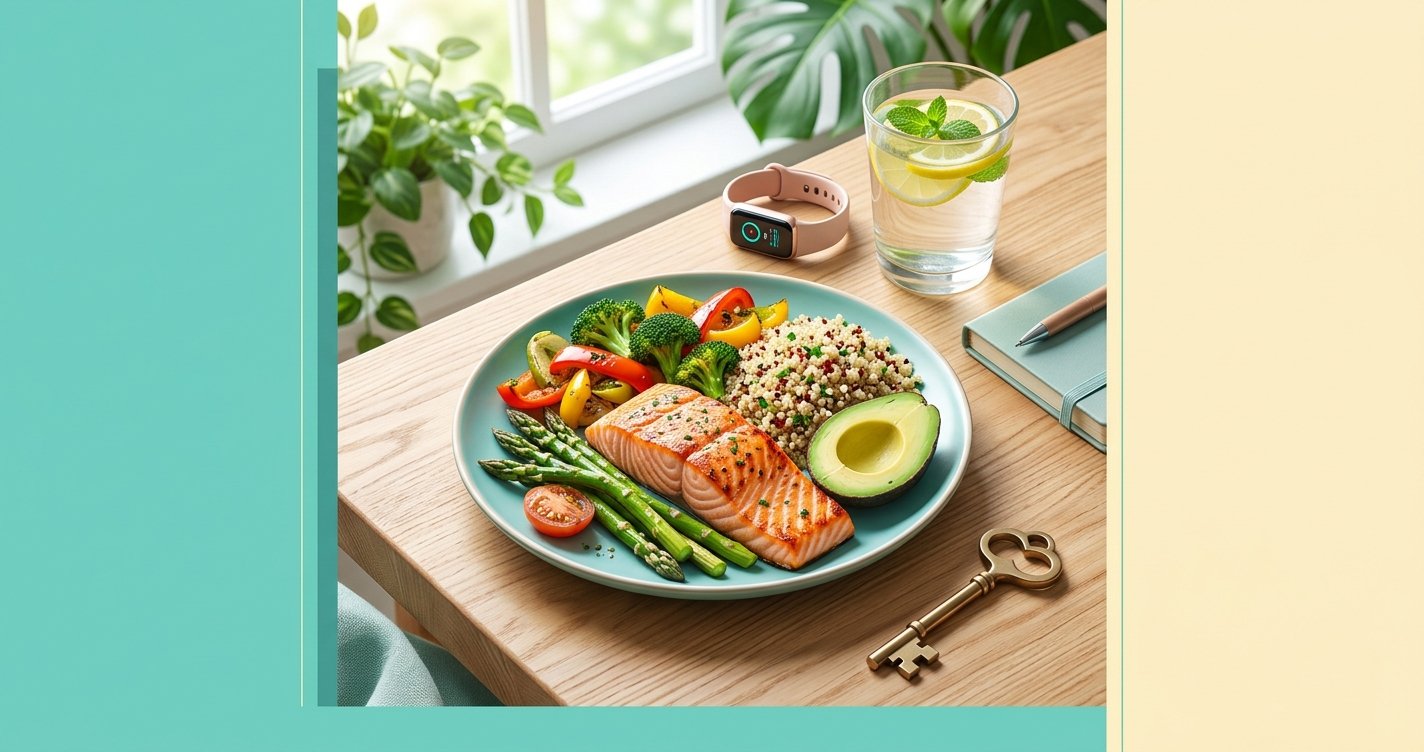
Tired of the endless cycle of restrictive diets, quick fixes, and the frustration of rebound weight gain? You're not alone. Many people embark on their fat loss journey with enthusiasm, only to hit a wall of unsustainable hunger, energy crashes, and eventually, giving up. The good news? Sustainable fat loss isn't about deprivation; it's about understanding a fundamental principle and applying it intelligently: the calorie deficit.
Forget the fads and the extreme measures. This guide will walk you through the evidence-based, friendly, and encouraging path to achieving lasting fat loss by mastering the art of the sustainable calorie deficit. We'll explore what it means, how to calculate it, and – crucially – how to fuel your body and live your life in a way that makes fat loss feel achievable, not agonizing. this excellent wellness product
What Exactly *Is* a Calorie Deficit? The Non-Negotiable Truth
Let's cut straight to the chase: a calorie deficit is the *only* way your body loses fat. It's not magic, it's physics. Your body needs a certain amount of energy (calories) to perform all its daily functions – breathing, thinking, moving, digesting, and even sleeping. This is known as your Total Daily Energy Expenditure (TDEE).
When you consume fewer calories than your TDEE, you create a calorie deficit. To make up the energy difference, your body turns to its stored energy reserves, primarily fat. Conversely, if you consume more calories than your TDEE, you're in a surplus, and your body stores that excess energy, typically as fat.
Understanding this fundamental concept is liberating because it simplifies the complex world of nutrition. While the types of food you eat are incredibly important for health, satiety, and muscle preservation (which we'll dive into), the underlying mechanism for fat loss remains consistent: energy balance. No special tea, detox, or single 'superfood' can bypass this physiological truth.
Finding Your Sweet Spot: How to Calculate a Sustainable Deficit
Now that we know a deficit is essential, how do you find one that works for *you* without feeling like you're starving? The key word here is 'sustainable.' A deficit that's too large will leave you ravenous, drained, and likely to binge, leading to a cycle of frustration.
First, you need an estimate of your TDEE. Online TDEE calculators are a great starting point. They'll ask for your age, sex, height, weight, and activity level. Remember, these are estimates, but they give you a solid baseline. Once you have your estimated TDEE, aim to create a deficit of approximately 300-500 calories per day. This range is generally considered safe and effective for most individuals, allowing for a steady fat loss of about 0.5-1 pound per week. While this might sound slow, it's exactly what makes it sustainable.
- Example: If your TDEE is 2200 calories, aiming for 1700-1900 calories per day would put you in a healthy deficit.
Why not a larger deficit? Going too low (e.g., more than 1000 calories below your TDEE) can lead to significant muscle loss, which is counterproductive for fat loss (muscle burns more calories at rest!). It can also trigger extreme hunger, fatigue, nutrient deficiencies, and make it incredibly difficult to stick to your plan long-term. Your body might even adapt by slowing down its metabolism, making future fat loss harder.
Fueling Your Deficit: Smart Food Choices for Satiety & Success
Being in a calorie deficit doesn't mean eating tiny portions of bland food. It means making smart food choices that maximize satiety, provide essential nutrients, and support your energy levels. Here’s how to stack the deck in your favor:
Prioritize Protein: Your Satiety Superstar
If there's one macronutrient to focus on during a deficit, it's protein. Protein is incredibly satiating, meaning it keeps you feeling fuller for longer. It also has a higher thermic effect of food (TEF) – your body burns more calories digesting protein than carbs or fats. Crucially, adequate protein intake helps preserve lean muscle mass during a calorie deficit, ensuring that the weight you lose is primarily fat.
- Aim for: Lean meats (chicken, turkey, lean beef), fish, eggs, dairy (Greek yogurt, cottage cheese), legumes, tofu, and protein powder.
Embrace Fiber-Rich Whole Foods: Volume & Nutrients
Fiber is your friend! Foods high in fiber, like fruits, vegetables, and whole grains, add volume to your meals without adding many calories. They help you feel full, support digestive health, and provide a wealth of vitamins, minerals, and antioxidants. Filling half your plate with non-starchy vegetables at every meal is a fantastic strategy.
- Think: Broccoli, spinach, bell peppers, berries, apples, oats, quinoa, brown rice.
Don't Fear Healthy Fats & Complex Carbs: Balance is Key
While protein and fiber are priorities, healthy fats and complex carbohydrates are vital for overall health, energy, and hormone function. Fats are crucial for nutrient absorption and hormone production, and they also contribute to satiety. Complex carbs provide sustained energy for your workouts and daily activities, preventing energy crashes and helping you stick to your plan.
- Include: Avocados, nuts, seeds, olive oil (healthy fats); sweet potatoes, whole-grain bread, legumes (complex carbs) in appropriate portions.
Hydration is Your Secret Weapon
Sometimes, what feels like hunger is actually thirst. Drinking plenty of water throughout the day can help manage hunger cues, boost metabolism slightly, and support overall bodily functions. Aim for at least 8 glasses (around 2 liters) daily, and more if you're active.
Beyond the Plate: Lifestyle Factors That Supercharge Your Progress
Fat loss isn't just about what you eat; it's about how you live. Integrating these lifestyle habits will make your calorie deficit journey much more effective and enjoyable.
Lift Weights, Lose Fat: The Power of Strength Training
While cardio burns calories in the moment, strength training is your best ally for body recomposition and long-term fat loss. Building and maintaining muscle mass is critical because muscle is metabolically active – it burns more calories at rest than fat does. Plus, it gives your body a toned, strong appearance. Aim for 2-4 strength training sessions per week.
Move More, Effortlessly (NEAT)
Non-Exercise Activity Thermogenesis (NEAT) refers to the calories you burn through everyday movements that aren't formal exercise. Think walking, fidgeting, taking the stairs, cleaning, or gardening. These small movements add up significantly over the day and can make a big difference in your overall calorie expenditure without feeling like a workout.
- Try: Parking further away, taking walk breaks, using a standing desk, opting for stairs over elevators.
Master Your Sleep & Stress: Hormones Matter
Poor sleep and chronic stress can sabotage your fat loss efforts, even if your diet is spot-on. Lack of sleep disrupts hunger-regulating hormones (ghrelin and leptin), making you feel hungrier and crave high-calorie foods. Stress elevates cortisol, which can promote fat storage, especially around the midsection. Prioritize 7-9 hours of quality sleep and incorporate stress-reducing practices like meditation, yoga, or hobbies.
Common Pitfalls & How to Avoid Them
Even with the best intentions, it's easy to stumble. Here are a few common traps to watch out for:
- Over-restricting: Going too low on calories too quickly leads to burnout and often rebound eating. Start with a moderate deficit.
- Ignoring hunger cues entirely: While some hunger is normal in a deficit, extreme, debilitating hunger signals that your deficit might be too aggressive or your food choices aren't satiating enough. Listen to your body and adjust.
- Obsessive tracking: While tracking calories can be incredibly helpful initially to build awareness, don't let it consume you. Learn portion sizes and intuitive eating over time.
- Expecting linear progress: Fat loss is rarely a straight line. Weight fluctuations are normal due to water retention, hormonal changes, and muscle gain. Focus on long-term trends and non-scale victories (NSVs) like improved energy, strength, and how your clothes fit.
- Comparing yourself to others: Everyone's body and journey are unique. Focus on your own progress and celebrate every step forward.
Your Sustainable Journey Starts Now!
Achieving sustainable fat loss through a smart calorie deficit isn't about quick fixes; it's about building consistent, healthy habits that you can maintain for life. By understanding the science, prioritizing nutrient-dense foods, incorporating movement, and managing your lifestyle, you're setting yourself up for success.
Remember, this is a journey of self-discovery and self-care, not punishment. Be patient with yourself, celebrate small victories, and trust the process. You have the power to transform your body and your health, one sustainable step at a time. What small, sustainable change will you make today to begin your journey?