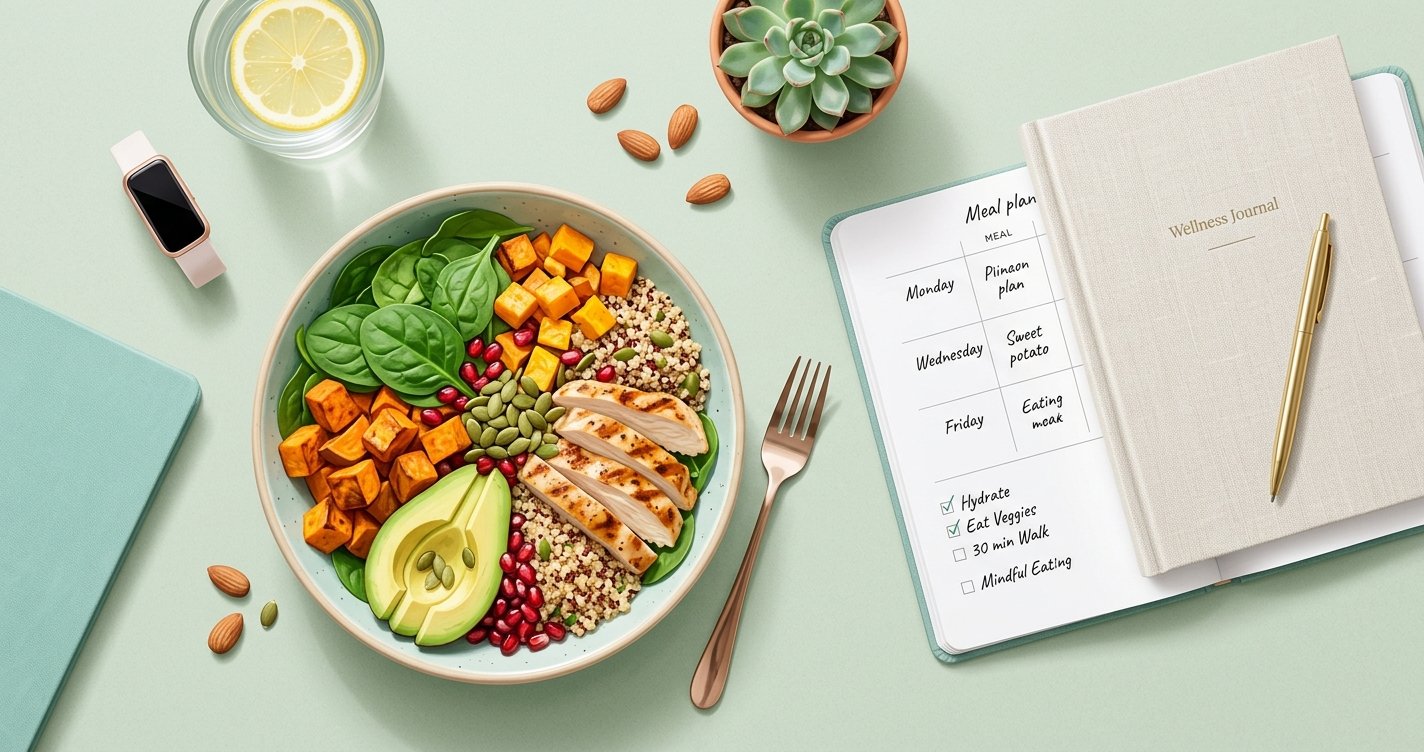
Tired of Crash Diets? Discover the Power of a Sustainable Calorie Deficit
Let's be honest: the world of fat loss can feel like a minefield. Promises of rapid results often lead to extreme diets, endless cardio, and ultimately, burnout and rebound weight gain. It's frustrating, demotivating, and frankly, unsustainable. But what if we told you there’s a smarter, kinder, and far more effective way to achieve lasting fat loss?
Welcome to the world of the sustainable calorie deficit. This isn't about deprivation or punishing yourself. It's about understanding your body's energy needs and making intentional, manageable adjustments that lead to gradual, healthy, and maintainable fat loss. In this comprehensive guide, we'll strip away the myths and give you the evidence-based tools to create a calorie deficit that works for you, without sacrificing your sanity or your favorite foods. this excellent wellness product
What Exactly is a Calorie Deficit, Anyway? The Simple Science
At its core, fat loss boils down to a fundamental principle of energy balance. Your body needs a certain amount of energy (measured in calories) to perform all its daily functions – from breathing and thinking to walking and exercising. This is your 'maintenance' level.
The Energy Balance Equation: Calories In vs. Calories Out
A calorie deficit occurs when you consistently consume fewer calories than your body expends over a period of time. When this happens, your body, being incredibly adaptable, starts to tap into its stored energy reserves – primarily body fat – to make up the difference. This is how fat loss happens.
- Calories In: The energy you get from food and drinks.
- Calories Out: The energy your body uses for:
- Basal Metabolic Rate (BMR): Energy for basic life-sustaining functions (even at rest).
- Thermic Effect of Food (TEF): Energy used to digest, absorb, and metabolize food.
- Non-Exercise Activity Thermogenesis (NEAT): Energy for daily movements not considered exercise (walking, fidgeting, housework).
- Exercise Activity Thermogenesis (EAT): Energy burned during structured exercise.
Why "More Than Just Calories In, Calories Out" Still Matters
While the energy balance equation is foundational, it's crucial to understand that what you eat and how you live significantly impact the 'Calories Out' side and your overall health. Eating nutrient-dense foods, prioritizing protein, staying active, getting enough sleep, and managing stress all contribute to a healthier metabolism and make maintaining a deficit far easier and more effective in the long run.
The Pitfalls of Extreme Deficits: Why Crash Diets Fail
It's tempting to think that if a small deficit is good, a massive one must be better, right? Wrong. Extreme calorie restriction (think 800-1200 calories per day for most people) often backfires spectacularly. Here's why:
- Muscle Loss: Your body is smart. If it senses a severe lack of energy, it might start breaking down muscle tissue for fuel, not just fat. Less muscle means a slower metabolism, making future fat loss harder.
- Metabolic Adaptation: Your metabolism can slow down as your body tries to conserve energy. This makes it harder to lose weight even on very low calories.
- Nutrient Deficiencies: Restricting too much makes it difficult to get all the essential vitamins, minerals, and macronutrients your body needs to thrive.
- Intense Hunger & Cravings: Your body will fight back with powerful hunger signals and cravings, making adherence incredibly difficult.
- Poor Energy & Mood: Extreme restriction often leads to fatigue, irritability, poor sleep, and a general feeling of misery.
- Rebound Weight Gain: The unsustainability of crash diets almost always leads to a return to old eating habits, often with a rapid regain of lost weight, sometimes even more.
Crafting Your Sustainable Calorie Deficit: The Smart Approach
The goal is to create a deficit that is effective enough to promote fat loss, yet gentle enough to be sustainable long-term. Here's how:
Step 1: Estimate Your Maintenance Calories (TDEE)
Your Total Daily Energy Expenditure (TDEE) is the estimated number of calories you burn each day. You can find many reliable online TDEE calculators (e.g., TDEE Calculator, MyFitnessPal) that take into account your age, sex, weight, height, and activity level. Use this as a starting point, understanding it's an estimate.
Step 2: Aim for a Moderate, Manageable Deficit
Once you have your TDEE, subtract a reasonable amount to create your deficit. For most people, a deficit of 250-500 calories per day is ideal. This typically results in a healthy and sustainable fat loss of 0.5 to 1 pound per week. While it might seem slow, this pace helps preserve muscle mass, minimizes metabolic slowdown, and is much easier to stick to.
Step 3: Prioritize Nutrient-Dense Whole Foods
Not all calories are created equal. Focus on filling your plate with foods that offer maximum nutritional value and satiety:
- Lean Proteins: Chicken breast, fish, eggs, Greek yogurt, tofu, lentils.
- Complex Carbohydrates: Whole grains, oats, brown rice, quinoa, sweet potatoes, fruits.
- Healthy Fats: Avocados, nuts, seeds, olive oil.
- Plenty of Vegetables: Broccoli, spinach, peppers, carrots, leafy greens – eat them in abundance!
Step 4: Don't Forget Protein! Your Fat Loss Ally
Protein is your secret weapon for fat loss. It's the most satiating macronutrient, meaning it keeps you feeling fuller for longer. It also has a higher thermic effect (your body burns more calories digesting it) and, crucially, helps preserve lean muscle mass during a deficit. Aim for 0.7-1 gram of protein per pound of your target body weight.
Step 5: Embrace Healthy Fats and Complex Carbs
While often feared, healthy fats are essential for hormone production, nutrient absorption, and overall health. Complex carbohydrates provide sustained energy for your workouts and daily activities, preventing crashes and cravings. Don't eliminate them; strategically include them.
Strategies to Make Your Deficit Feel Effortless (or at least, less effort!)
Beyond tracking calories, several lifestyle habits can make adhering to your deficit much easier and more enjoyable:
- Mindful Eating: Slow down, savor your food, and pay attention to your body's hunger and fullness cues. This can naturally reduce overeating.
- Hydration is Key: Often, thirst is mistaken for hunger. Drink plenty of water throughout the day. A glass before meals can also help with satiety.
- Load Up on Fiber: Found in fruits, vegetables, and whole grains, fiber adds bulk to your meals, keeping you full and aiding digestion.
- Incorporate Strength Training: Building and maintaining muscle is crucial. Muscle burns more calories at rest than fat, boosting your metabolism.
- Prioritize Quality Sleep: Lack of sleep disrupts hunger-regulating hormones (ghrelin and leptin), leading to increased appetite and cravings for unhealthy foods.
- Manage Stress Levels: Chronic stress can elevate cortisol, a hormone linked to increased fat storage, especially around the midsection. Find healthy ways to cope with stress.
- Strategic Diet Breaks/Refeeds: For longer fat loss phases, a planned 'diet break' (eating at maintenance for a week or two) or a 'refeed day' (a higher-carb day) can help manage hunger, reset hormones, and provide a mental break.
- Don't Be Afraid to Adjust: Your body is not a machine. If you're not losing weight after a few weeks, slightly reduce your calories. If you're feeling overly deprived or experiencing negative symptoms, slightly increase them. Listen to your body!
Listening to Your Body: Signs You Might Be Too Aggressive
Even with good intentions, it's possible to accidentally create too large a deficit. Pay attention to these warning signs:
- Persistent, extreme hunger that never goes away.
- Constant fatigue, lack of energy, or lethargy.
- Irritability, mood swings, or feelings of depression.
- Poor sleep quality or insomnia.
- Significant drop in strength or performance during workouts.
- Obsessive thoughts about food.
- Hair loss or irregular menstrual cycles (in women).
If you experience these, consider slightly increasing your calories or taking a diet break. Your long-term health is more important than rapid weight loss.
The Long Game: Why Sustainability Always Wins
True, lasting fat loss isn't a race; it's a marathon. By focusing on a sustainable calorie deficit, you're not just losing weight; you're building healthier habits, fostering a better relationship with food, and learning to listen to your body. This approach minimizes metabolic damage, preserves precious muscle, and makes it far more likely that you'll keep the fat off for good.
Ready to Embrace a Smarter Path to Fat Loss?
Forget the quick fixes and restrictive diets. Embrace the power of a sustainable calorie deficit. Start small, be patient, and trust the process. By making mindful choices, prioritizing nutrition, and listening to your body, you can achieve your fat loss goals without feeling deprived, and build a healthier, happier you that lasts a lifetime. Your journey to sustainable fat loss starts now!