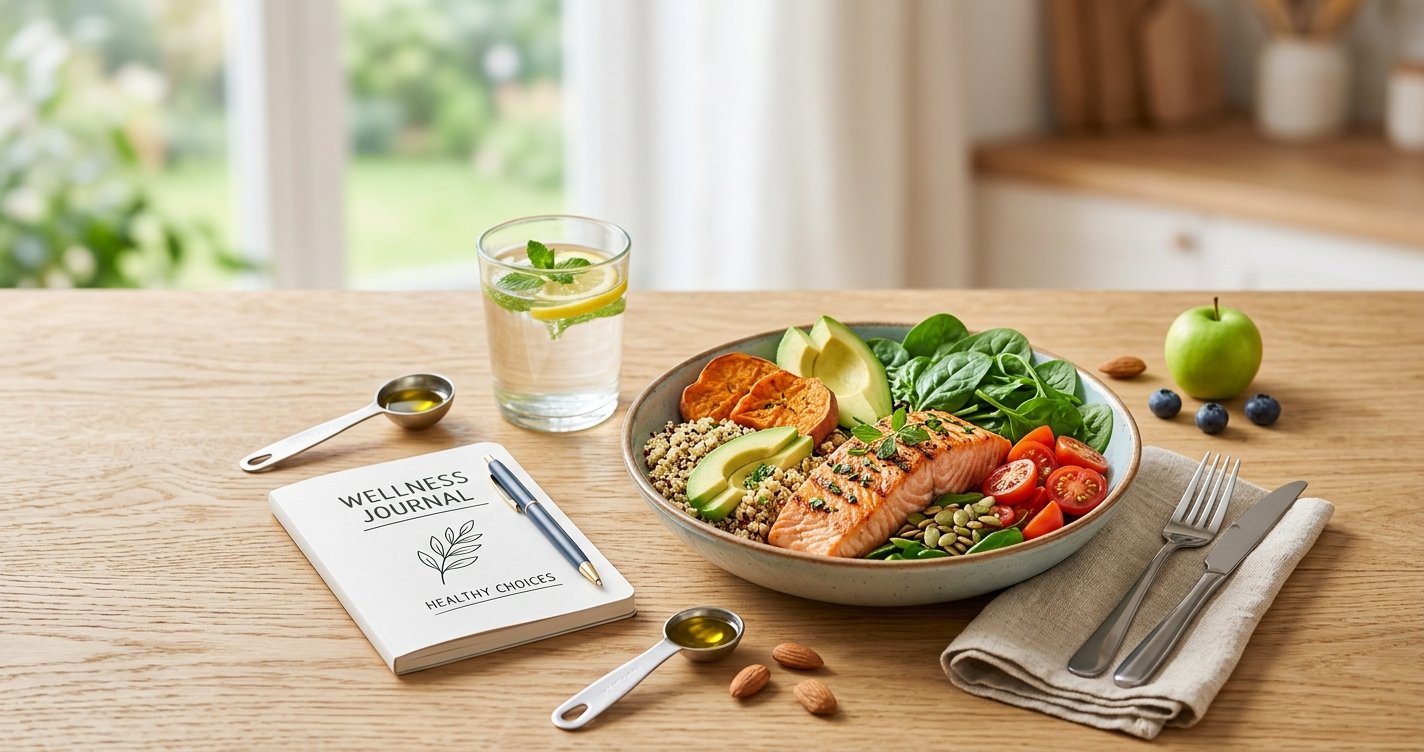
Are you tired of yo-yo dieting, extreme restrictions, and the frustration of losing weight only to gain it back? You’re not alone. The world of fat loss can feel overwhelming, filled with conflicting advice and quick-fix promises that rarely deliver long-term results. But what if there was a simpler, more effective, and most importantly, sustainable path to achieving your fat loss goals?
Enter the calorie deficit. It might sound technical, but at its heart, it’s the fundamental principle behind all fat loss. However, the way you create and maintain that deficit makes all the difference. This isn't about deprivation; it's about understanding your body, making smart choices, and building habits that support a healthier, leaner you for life. Let's dive into how you can master the art of the sustainable calorie deficit and finally achieve lasting fat loss. this excellent wellness product
What Exactly is a Calorie Deficit, Anyway?
In the simplest terms, a calorie deficit means you’re consuming fewer calories than your body burns in a day. Think of your body as a car and calories as fuel. If you put less fuel in than the car uses, it has to find another source of energy – and that source is your stored body fat. This is an undeniable law of thermodynamics; it's the bedrock of all fat loss.
Your body burns calories constantly, even when you're resting, to power essential functions like breathing, circulation, and digestion. This is your Basal Metabolic Rate (BMR). On top of that, you burn calories through all your daily activities, from walking and talking to intense workouts. When the calories you eat (calories in) are less than the calories you burn (calories out), your body taps into its fat reserves, leading to fat loss.
Why "Sustainable" is the Secret Sauce for Lasting Results
Anyone can create a calorie deficit. Crash diets do it by severely restricting food intake. The problem? They’re unsustainable, unhealthy, and often lead to metabolic slowdown, muscle loss, and a rebound effect where you gain even more weight back than you lost. This is not just frustrating; it can be damaging to your metabolism and your relationship with food.
A sustainable calorie deficit, on the other hand, is one you can maintain comfortably over time without feeling constantly hungry, deprived, or exhausted. It prioritizes your overall health, well-being, and long-term success. The benefits are immense:
- Preserves Muscle Mass: A moderate deficit, combined with adequate protein and strength training, helps ensure you're losing fat, not valuable muscle.
- Maintains Metabolic Health: Avoids the drastic slowdown often associated with extreme dieting.
- Boosts Energy Levels: You’ll feel energized, not drained, allowing you to stay active and engaged.
- Improves Mood and Mental Well-being: No more constant food focus or guilt cycles.
- Promotes Healthy Habits: It teaches you how to eat nutritiously and mindfully for life, not just for a diet period.
Calculating Your Sweet Spot: Finding Your Deficit
The first step to a sustainable calorie deficit is understanding your body's energy needs.
Estimating Your Maintenance Calories (TDEE)
Your Total Daily Energy Expenditure (TDEE) is the approximate number of calories your body burns in a day, considering your BMR and activity level. You can find many reliable online TDEE calculators by searching "TDEE calculator." These tools ask for your age, sex, weight, height, and activity level to give you an estimate. Remember, it's a starting point, not an exact science.
The "Goldilocks" Deficit: Not Too Big, Not Too Small
Once you have your estimated TDEE, you'll subtract a certain number of calories to create your deficit. For sustainable fat loss, a deficit of 300-500 calories below your TDEE is generally recommended. This typically results in a healthy fat loss of 0.5 to 1 pound per week. Why this range?
- Too small (less than 300 calories): Fat loss might be too slow to be motivating.
- Too large (more than 500-750 calories): Increases the risk of muscle loss, nutrient deficiencies, excessive hunger, and metabolic slowdown, making it difficult to sustain.
For example, if your TDEE is 2200 calories, aiming for 1700-1900 calories per day would be a good starting point. Track your intake and progress for a few weeks, and adjust as needed based on how your body responds and how you feel.
Fueling Your Deficit: Smart Nutrition Strategies
Creating a calorie deficit doesn't mean eating less food; it means eating smarter food. Focus on nutrient-dense options that keep you full and satisfied.
Prioritize Protein
Protein is your best friend for fat loss. It's highly satiating, meaning it keeps you feeling full for longer, reducing the urge to snack. Crucially, protein helps preserve muscle mass while you're in a deficit, which is vital for maintaining a healthy metabolism. Aim for 0.7-1 gram of protein per pound of your target body weight.
Examples: Lean meats (chicken, turkey, beef), fish, eggs, Greek yogurt, cottage cheese, legumes, tofu, protein powder.
Embrace Fiber and Whole Foods
Fiber-rich foods add volume to your meals without adding many calories, contributing to satiety. Whole foods (unprocessed or minimally processed) are packed with essential vitamins, minerals, and antioxidants, supporting overall health and energy levels.
Examples: Vegetables (especially leafy greens), fruits, whole grains (oats, quinoa, brown rice), beans, lentils.
Don't Fear Healthy Fats
While fats are calorie-dense, healthy fats are crucial for hormone production, nutrient absorption, and satiety. Include them in moderation. Aim for about 20-30% of your daily calories from healthy fats.
Examples: Avocados, nuts, seeds, olive oil, fatty fish (salmon, mackerel).
Hydration is Key
Often mistaken for hunger, thirst can lead to unnecessary snacking. Drinking plenty of water throughout the day can help manage hunger, support metabolic functions, and keep you feeling energized. Aim for at least 8 glasses a day, and more if you're active.
Mindful Eating Practices
Slow down during meals. Pay attention to your body's hunger and fullness cues. Eating mindfully helps you appreciate your food, recognize when you're satisfied, and prevent overeating.
Moving Your Body: Exercise for Enhanced Fat Loss
While nutrition is king for creating the deficit, exercise is queen for optimizing fat loss, preserving muscle, and boosting overall health.
Strength Training: Your Fat Loss Best Friend
Resistance training is non-negotiable for sustainable fat loss. It builds and preserves muscle mass, which is metabolically active, meaning it burns more calories at rest than fat does. This helps offset any potential metabolic slowdown from being in a deficit. Aim for 2-4 strength training sessions per week, focusing on compound movements.
Cardio: A Supporting Role
Cardiovascular exercise burns calories and improves heart health. It can be a great way to increase your calorie deficit further. You can choose between steady-state cardio (like brisk walking, jogging, cycling) or High-Intensity Interval Training (HIIT). Incorporate 2-3 sessions per week, finding what you enjoy most.
The Power of NEAT (Non-Exercise Activity Thermogenesis)
Don't underestimate the power of everyday movement! NEAT includes all the calories you burn from activities that aren't formal exercise – walking, fidgeting, taking the stairs, cleaning. Increasing your NEAT can significantly contribute to your daily calorie expenditure without feeling like a workout.
Beyond Food and Exercise: The Lifestyle Factors
Sustainable fat loss isn't just about what you eat and how you move; it's deeply intertwined with your overall lifestyle.
Sleep: The Unsung Hero
Lack of sleep can wreak havoc on your fat loss efforts. It disrupts hunger-regulating hormones like ghrelin (increases appetite) and leptin (decreases appetite), making you hungrier and more prone to cravings. Aim for 7-9 hours of quality sleep per night.
Stress Management
Chronic stress elevates cortisol levels, a hormone that can promote fat storage, especially around the midsection. Find healthy ways to manage stress, such as meditation, yoga, spending time in nature, or engaging in hobbies you love.
Patience and Consistency
Fat loss is a journey, not a race. There will be plateaus, slow weeks, and moments of frustration. The key is consistency over perfection. Trust the process, celebrate small victories, and remember that sustainable results take time. Don't get discouraged by the scale; look at other markers like how your clothes fit, your energy levels, and your strength.
Putting It All Together: Your Action Plan
Ready to start your sustainable fat loss journey? Here’s a simple action plan:
- Estimate Your TDEE: Use an online calculator as a starting point.
- Set Your Calorie Goal: Subtract 300-500 calories from your TDEE.
- Track for Awareness: For a week or two, track your food intake to understand your current habits and ensure you're hitting your calorie and macro goals.
- Prioritize Protein & Fiber: Make these the foundation of every meal.
- Hydrate: Drink plenty of water throughout the day.
- Strength Train: Aim for 2-4 sessions per week.
- Move More: Incorporate daily walks and increase your NEAT.
- Optimize Sleep & Stress: Make sleep a priority and find healthy stress-coping mechanisms.
- Be Patient & Consistent: This is a lifestyle change, not a temporary fix.
Your Journey to Lasting Fat Loss Starts Now
Embracing a sustainable calorie deficit is about empowering yourself with knowledge and building healthy habits that last a lifetime. It’s not about restriction or deprivation, but about nourishing your body, moving with purpose, and fostering a positive mindset. Remember, every small, consistent step you take contributes to significant, lasting change. You have the power to transform your health and achieve the fat loss you desire, not just for a season, but for good.