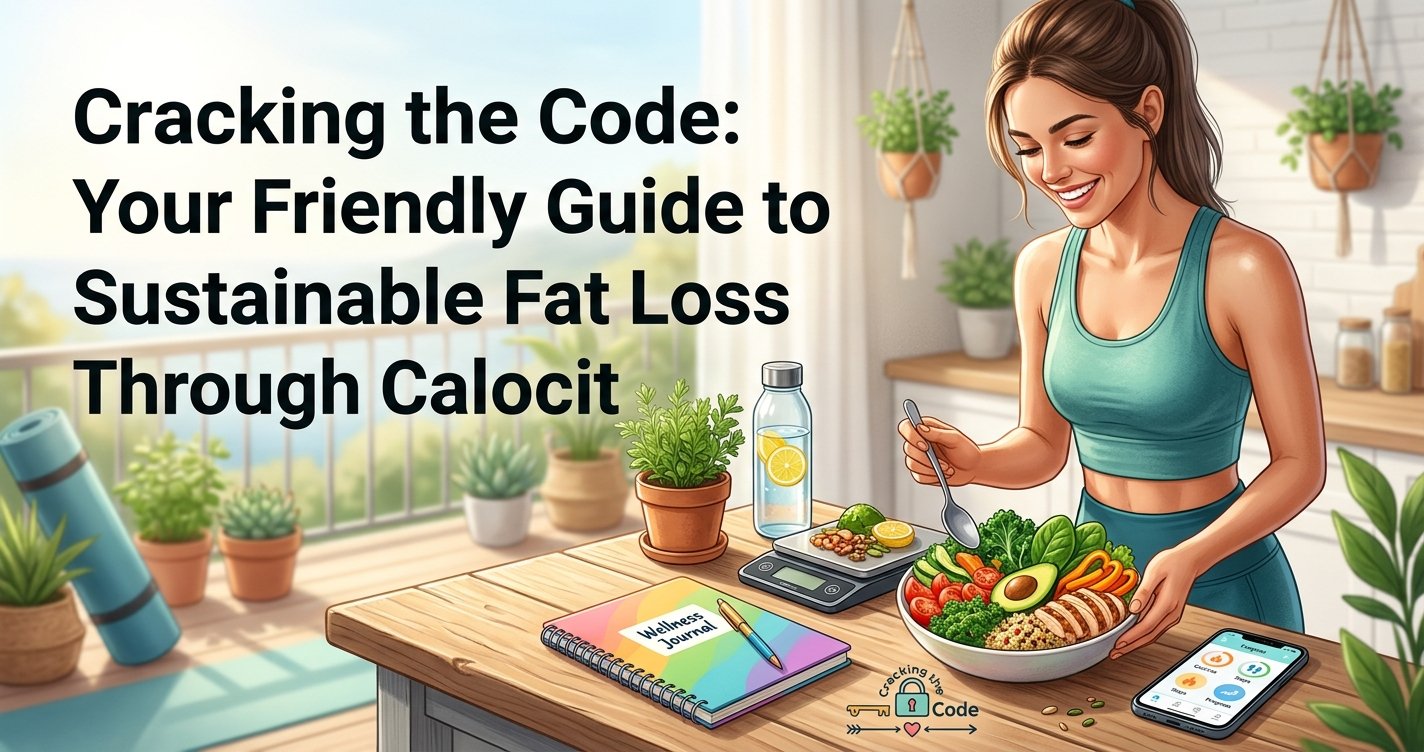
Are you tired of quick-fix diets that promise the world but deliver only frustration? Do you feel overwhelmed by conflicting information about how to truly lose fat and keep it off? You’re not alone. The journey to sustainable fat loss can feel like a maze, but there’s one fundamental principle that stands as the bedrock of all successful transformations: the calorie deficit.
Forget the fads and the latest 'superfoods' for a moment. While healthy eating and exercise are incredibly important, understanding and implementing a calorie deficit is the single most powerful tool in your fat loss arsenal. It’s not about starvation or deprivation; it’s about smart, strategic eating that fuels your body while gently encouraging it to tap into its fat stores. In this friendly, evidence-based guide, we'll demystify the calorie deficit, show you how to find your sweet spot, and equip you with practical strategies for long-term success. Let's unlock the secret to a healthier, leaner you, sustainably! this excellent wellness product
What Exactly is a Calorie Deficit, Anyway?
Let's start with the basics. A calorie is simply a unit of energy. Everything you eat and drink contains calories, and your body needs these calories to perform every single function, from breathing and thinking to running a marathon. Your body is constantly burning calories just to keep you alive, even when you're resting. This is known as your Basal Metabolic Rate (BMR).
A calorie deficit occurs when you consistently consume fewer calories than your body burns over a period of time. Think of your body like a car. If you put less fuel in (calories consumed) than it uses to drive around (calories burned), it eventually has to find another energy source. For your body, that 'other source' is stored fat. When your body needs more energy than you're providing through food, it turns to these fat reserves, breaking them down for fuel, and voilà – fat loss!
It's a simple energy balance equation: Calories In < Calories Out = Calorie Deficit = Fat Loss. This principle is backed by decades of scientific research and is the undisputed foundation of fat loss, regardless of the diet or exercise plan you follow.
Why a Calorie Deficit is Non-Negotiable for Fat Loss
You might have heard claims that certain foods, hormones, or meal timings are the 'real' secret to fat loss, sidelining the calorie deficit. While these factors can certainly influence your metabolism, appetite, and how your body utilizes energy, they don't override the fundamental law of thermodynamics. You can eat the cleanest, most organic, perfectly timed meals in the world, but if you're consistently consuming more calories than your body expends, you will not lose fat; in fact, you'll likely gain it.
The beauty of the calorie deficit is its universality. It applies to everyone, regardless of age, gender, or metabolic rate. It’s the driving force behind any effective fat loss strategy, whether it's keto, low-carb, high-carb, or intermittent fasting. These diets simply offer different approaches to help you achieve and stick to that crucial calorie deficit. Focusing on a deficit ensures that your body is forced to tap into its fat stores, leading to measurable, sustainable results, rather than just temporary water weight loss.
How to Calculate Your Magic Number (Without the Math Headaches!)
Okay, so how do you figure out how many calories your body burns and, subsequently, how many you should aim to eat? This is where your Total Daily Energy Expenditure (TDEE) comes in. Your TDEE is an estimate of the total number of calories your body burns in a 24-hour period, taking into account your BMR, physical activity, and the energy used to digest food.
Don't worry, you don't need to be a math wizard! There are many excellent online TDEE calculators available (just search 'TDEE calculator'). You'll typically input your age, gender, height, weight, and activity level. The calculator will then provide an estimated TDEE.
Once you have your TDEE, you'll want to create a deficit. A good starting point for sustainable fat loss is to aim for a deficit of 250-500 calories per day. This translates to roughly 0.5 to 1 pound of fat loss per week (since 1 pound of fat is approximately 3,500 calories). For example, if your TDEE is 2,000 calories, aiming for 1,500-1,750 calories per day would put you in a healthy deficit. Remember, this is an estimate, and your body is unique. Listen to your body and adjust as needed.
Creating Your Deficit: Smart Strategies, Not Starvation
Achieving a calorie deficit doesn't mean eating nothing but lettuce. It's about making smart, sustainable choices that keep you feeling full and satisfied while still allowing your body to burn fat. Here are some evidence-based strategies:
Prioritize Protein
Protein is your best friend for fat loss. It's incredibly satiating, meaning it helps you feel fuller for longer, reducing the urge to snack. It also has a higher thermic effect, meaning your body burns more calories digesting it. Crucially, adequate protein intake helps preserve your precious muscle mass while you're in a deficit, ensuring that the weight you lose is primarily fat, not muscle.
Embrace Whole Foods
Focus on nutrient-dense, whole foods like lean meats, fish, eggs, fruits, vegetables, legumes, and whole grains. These foods are generally lower in calories but packed with fiber, vitamins, and minerals. Fiber, in particular, contributes to satiety and digestive health. Compare a small bag of chips (high calories, low nutrients, low satiety) to a large bowl of roasted vegetables (low calories, high nutrients, high satiety) – the choice for fat loss is clear.
Mindful Eating & Portion Control
Often, we eat out of habit, boredom, or stress, rather than true hunger. Practice mindful eating: slow down, savor your food, and pay attention to your body's hunger and fullness cues. Portion control is also vital. Even healthy foods can contribute to a calorie surplus if eaten in excessive amounts. Use smaller plates, measure out servings, and be aware of common portion sizes.
Hydration is Key
Drinking plenty of water throughout the day can significantly aid fat loss. Water can help you feel fuller, potentially reducing overall calorie intake. Sometimes, your body confuses thirst with hunger, leading you to eat when a glass of water is all you really needed. Aim for at least 8 glasses (around 2 liters) per day, and more if you're active.
Smart Snacking
If you need to snack, choose options that are high in protein and fiber, like Greek yogurt, a handful of almonds, an apple with peanut butter, or vegetable sticks with hummus. Avoid highly processed, sugary snacks that offer little nutritional value and can quickly add up in calories.
Exercise: Your Ally, Not Your Only Weapon
While diet is the primary driver of a calorie deficit, exercise plays a crucial supporting role. It helps in several ways:
- Increases Calorie Expenditure: Exercise directly burns calories, helping you widen your deficit or allowing you to eat slightly more while still losing fat.
- Builds and Preserves Muscle: Strength training is particularly important. More muscle mass means a higher resting metabolism, as muscle burns more calories at rest than fat tissue. This makes it easier to maintain your deficit and keep fat off in the long run.
- Improves Overall Health: Beyond fat loss, exercise boosts cardiovascular health, improves mood, reduces stress, and enhances energy levels – all of which support a successful fat loss journey.
Aim for a mix of strength training (2-3 times per week) and cardiovascular exercise (150 minutes of moderate intensity or 75 minutes of vigorous intensity per week). Find activities you enjoy so you're more likely to stick with them!
The Sustainable Path: Beyond the Numbers
Fat loss isn't just about crunching numbers; it's about building sustainable habits and fostering a healthy relationship with your body and food. Here are some final tips for long-term success:
Listen to Your Body
Pay attention to how different foods make you feel. Are you energized or sluggish? Are you truly hungry, or just bored? Your body provides valuable feedback; learn to interpret it.
Patience and Consistency
Fat loss is a marathon, not a sprint. There will be good days and challenging days. Don't get discouraged by slow progress or minor setbacks. Consistency over time yields the best results. Aim for progress, not perfection.
Don't Fear the Plateaus
It's normal for fat loss to slow down or even stall for a period. Your body adapts. When this happens, re-evaluate your calorie intake, adjust your exercise, or consider a 'diet break' to reset your metabolism and mental state.
Celebrate Non-Scale Victories
The scale doesn't tell the whole story. Notice improvements in your energy levels, how your clothes fit, your strength in the gym, better sleep, and improved mood. These are all signs of progress and health, often more motivating than a number on a scale.
Seek Professional Guidance (Optional)
If you're struggling, consider consulting a registered dietitian, certified personal trainer, or your doctor. They can provide personalized advice and support tailored to your unique needs and health conditions.
Understanding and consistently applying the principle of a calorie deficit is the most powerful step you can take towards achieving sustainable fat loss. It's not about deprivation, but about intelligent eating and movement that empowers your body to shed excess fat naturally. Embrace this fundamental truth, be kind and patient with yourself, and enjoy the journey to a healthier, more vibrant you!