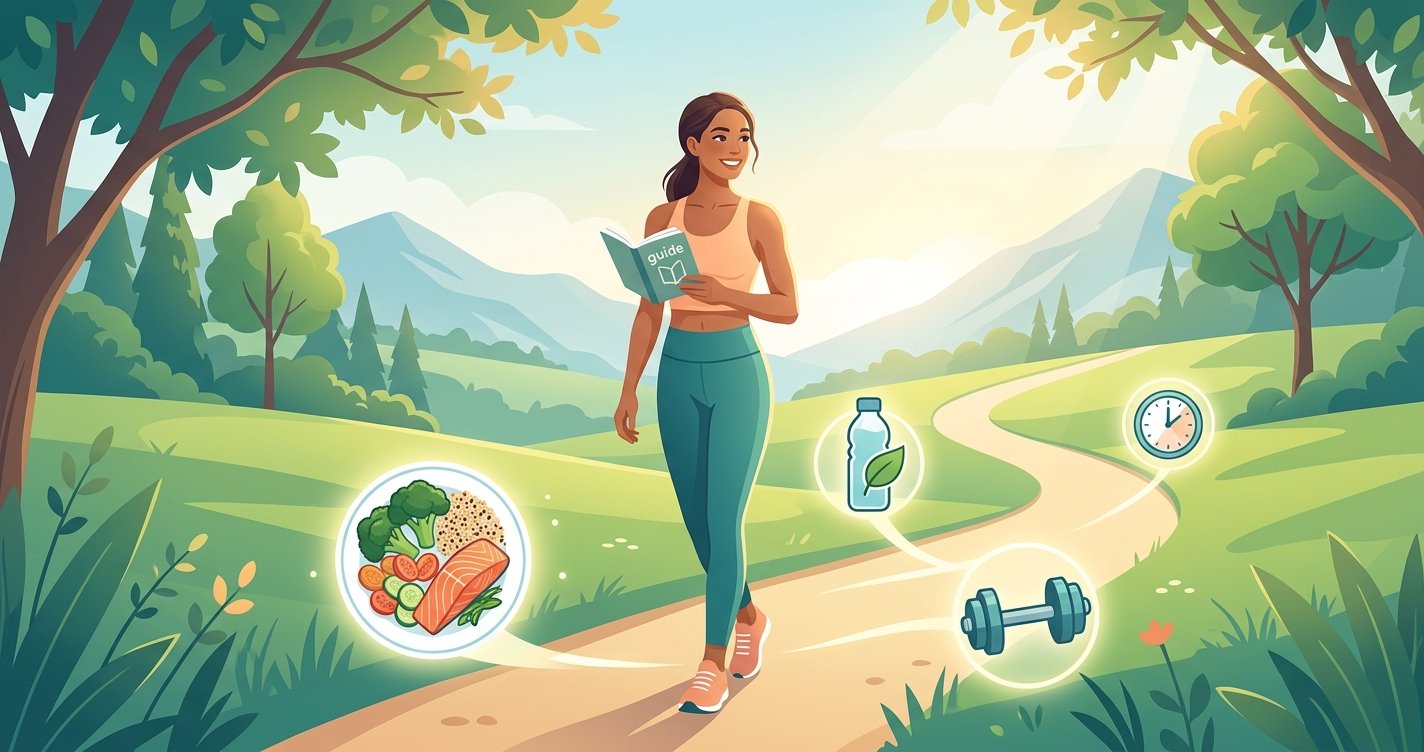
Unlock Sustainable Fat Loss: Your Friendly Guide to Mastering the Calorie Deficit
Feeling overwhelmed by the sheer volume of fat loss advice out there? From restrictive diets to grueling workout routines, it's easy to get lost in the noise. But what if we told you there's one fundamental principle that underpins all successful, sustainable fat loss, and it's simpler than you might think? It’s called the calorie deficit, and understanding it is your golden ticket to achieving your goals without feeling deprived or constantly battling hunger.
Many myths and misconceptions surround fat loss, but the science is clear: to lose fat, your body needs to burn more energy than it consumes. This isn't about magic pills or extreme measures; it's about a balanced, informed approach that respects your body's natural processes. In this friendly, evidence-based guide, we'll demystify the calorie deficit, break down how your body uses energy, and equip you with practical, sustainable strategies to create a deficit that works for you, leading to lasting results. this excellent wellness product
What Exactly Is a Calorie Deficit, Anyway?
Let's cut to the chase. A calorie is simply a unit of energy. Your body needs energy to function – for breathing, thinking, walking, exercising, and even sleeping. This energy comes from the food and drinks you consume.
A calorie deficit occurs when you consistently consume fewer calories (energy) than your body expends (burns) over a period of time. Think of your body like a car. If you put less fuel in the tank than you burn driving, eventually, you'll need to tap into your reserves. For your body, those reserves are stored fat.
It sounds straightforward, and in essence, it is. Regardless of the diet you choose – keto, low-carb, vegan, Mediterranean – if it leads to fat loss, it does so because it creates a calorie deficit. Understanding this fundamental truth empowers you to make informed choices rather than blindly following trends.
How Your Body Burns Calories: The Metabolism Breakdown
To create a calorie deficit effectively, it helps to understand where your body's energy expenditure comes from. Your total daily energy expenditure (TDEE) is comprised of several key components:
Basal Metabolic Rate (BMR)
This is the number of calories your body burns at rest to maintain basic life-sustaining functions – breathing, circulation, cell production, nutrient processing, and organ function. BMR accounts for the largest portion of your TDEE, often 60-75% for most people. Factors like age, gender, weight, height, and muscle mass influence your BMR.
Thermic Effect of Food (TEF)
Known as diet-induced thermogenesis, TEF is the energy your body uses to digest, absorb, and metabolize the food you eat. Protein has the highest TEF, meaning your body expends more energy processing protein than it does fats or carbohydrates. This is one reason why a higher protein diet can be beneficial for fat loss.
Non-Exercise Activity Thermogenesis (NEAT)
This is the energy expended for everything we do that is not sleeping, eating, or purposeful exercise. Think fidgeting, walking to your car, standing while talking on the phone, doing household chores, or taking the stairs instead of the elevator. NEAT can vary significantly between individuals and plays a surprisingly large role in daily calorie burn.
Exercise Activity Thermogenesis (EAT)
This is the energy you burn during structured, intentional exercise like running, weightlifting, swimming, or cycling. While often the focus, EAT typically accounts for a smaller percentage of your TDEE than BMR or even NEAT for most people.
Finding Your Starting Point: Estimating Your Calorie Needs
Before you can create a deficit, you need an estimate of your TDEE. Online calculators (like those based on the Mifflin-St Jeor or Harris-Benedict equations) can provide a good starting point. You input your age, gender, height, weight, and activity level, and they'll give you an estimate of how many calories you burn daily.
Once you have your TDEE estimate, aim for a modest calorie deficit. A common recommendation is to subtract 300-500 calories from your TDEE. This typically results in a sustainable fat loss of about 0.5 to 1 pound per week. Why modest? Because an extreme deficit can lead to muscle loss, nutrient deficiencies, fatigue, and make adherence incredibly difficult, often leading to rebound weight gain.
Remember, these are estimates. Your body is unique, and metabolism varies. The best approach is to start with an estimate, track your intake and weight for a few weeks, and adjust as needed. If you're not losing weight, slightly reduce your calories; if you're losing too fast or feeling excessively hungry, slightly increase them.
Strategies for Creating a Sustainable Calorie Deficit (Without Starving!)
The goal isn't to eat as little as possible; it's to eat smart. Here are evidence-based strategies to create a calorie deficit while feeling full and energized:
Prioritize Protein
- Satiety: Protein is the most satiating macronutrient, meaning it keeps you feeling fuller for longer.
- Muscle Preservation: Adequate protein intake is crucial for preserving lean muscle mass during a calorie deficit, which is important for maintaining a healthy metabolism.
- TEF: As mentioned, protein has a higher thermic effect, meaning your body burns more calories digesting it.
Think lean meats, poultry, fish, eggs, dairy, legumes, and tofu.
Embrace Fiber-Rich Foods
Fruits, vegetables, and whole grains are packed with fiber, which adds volume to your meals, slows digestion, and promotes a feeling of fullness without adding many calories. They're also loaded with essential vitamins and minerals.
Mindful Eating Practices
Slow down, savor your food, and pay attention to your body's hunger and fullness cues. Eating mindfully can help you recognize when you're truly satisfied, preventing overeating. Put away distractions and focus on the experience of eating.
Hydration is Key
Sometimes, what feels like hunger is actually thirst. Drink plenty of water throughout the day. A glass of water before meals can also help you feel fuller and potentially reduce calorie intake.
Smart Snacking
If you need to snack, choose nutrient-dense options like a handful of nuts, Greek yogurt, or fruit instead of calorie-dense, low-nutrient processed foods.
Portion Control
Even healthy foods have calories. Learn appropriate portion sizes for different foods. Using smaller plates or measuring tools can be helpful initially.
Beyond Calories: The Quality of Your Food Matters
While a calorie deficit is non-negotiable for fat loss, the *quality* of your calories profoundly impacts your health, energy levels, and the sustainability of your efforts. 100 calories of broccoli is vastly different from 100 calories of candy.
Prioritizing whole, unprocessed foods like lean proteins, fresh fruits, vegetables, whole grains, and healthy fats will provide your body with the essential nutrients it needs to thrive. These foods support hormone balance, gut health, mood, and overall vitality, making the fat loss journey much more manageable and enjoyable.
The Role of Exercise in a Calorie Deficit
Exercise isn't strictly necessary to create a calorie deficit (you can do it through diet alone), but it's a powerful ally for sustainable fat loss and overall health.
- Increases Calorie Burn: Both cardio and strength training burn calories, contributing to your deficit.
- Preserves/Builds Muscle: Strength training is crucial for maintaining or even building muscle mass during fat loss. More muscle means a higher BMR, helping you burn more calories at rest.
- Boosts Mood & Energy: Exercise releases endorphins, reduces stress, and improves sleep quality, all of which support adherence to your fat loss plan.
- Improves Insulin Sensitivity: Regular physical activity can help your body utilize glucose more efficiently, which is beneficial for metabolic health.
Find activities you enjoy, whether it's walking, hiking, lifting weights, dancing, or cycling. Consistency is far more important than intensity in the long run.
Common Pitfalls and How to Avoid Them
Even with the best intentions, it's easy to stumble. Here's how to navigate common challenges:
- Underestimating Calorie Intake: Hidden calories in sauces, drinks, and 'a little extra' can quickly add up. Be honest and accurate with your tracking.
- Overestimating Calorie Burn from Exercise: Fitness trackers can be notoriously inaccurate. Don't 'eat back' all your exercise calories; treat them as a bonus to your deficit.
- Too Extreme a Deficit: This leads to extreme hunger, fatigue, nutrient deficiencies, and often results in binge eating and a yo-yo cycle. Slow and steady wins the race.
- Ignoring Sleep and Stress: Poor sleep and high stress can disrupt hormones that regulate hunger (ghrelin) and fullness (leptin), making it harder to stick to your deficit. Prioritize rest and stress management.
- Impatience: Fat loss is not linear. There will be plateaus and fluctuations. Stay consistent, trust the process, and focus on long-term habits rather than daily scale readings.
Conclusion
The calorie deficit might be simple in concept, but its consistent application is where the magic of sustainable fat loss happens. It's not about restriction; it's about understanding your body's energy needs and making informed, strategic choices that fuel you, satisfy you, and move you closer to your goals.
By prioritizing protein, fiber, whole foods, staying hydrated, and incorporating regular physical activity, you can create a comfortable and sustainable calorie deficit that leads to lasting results. Be patient, be kind to yourself, and remember that every small, consistent choice adds up to significant progress. You have the knowledge now; it's time to empower your journey to a healthier, happier you!