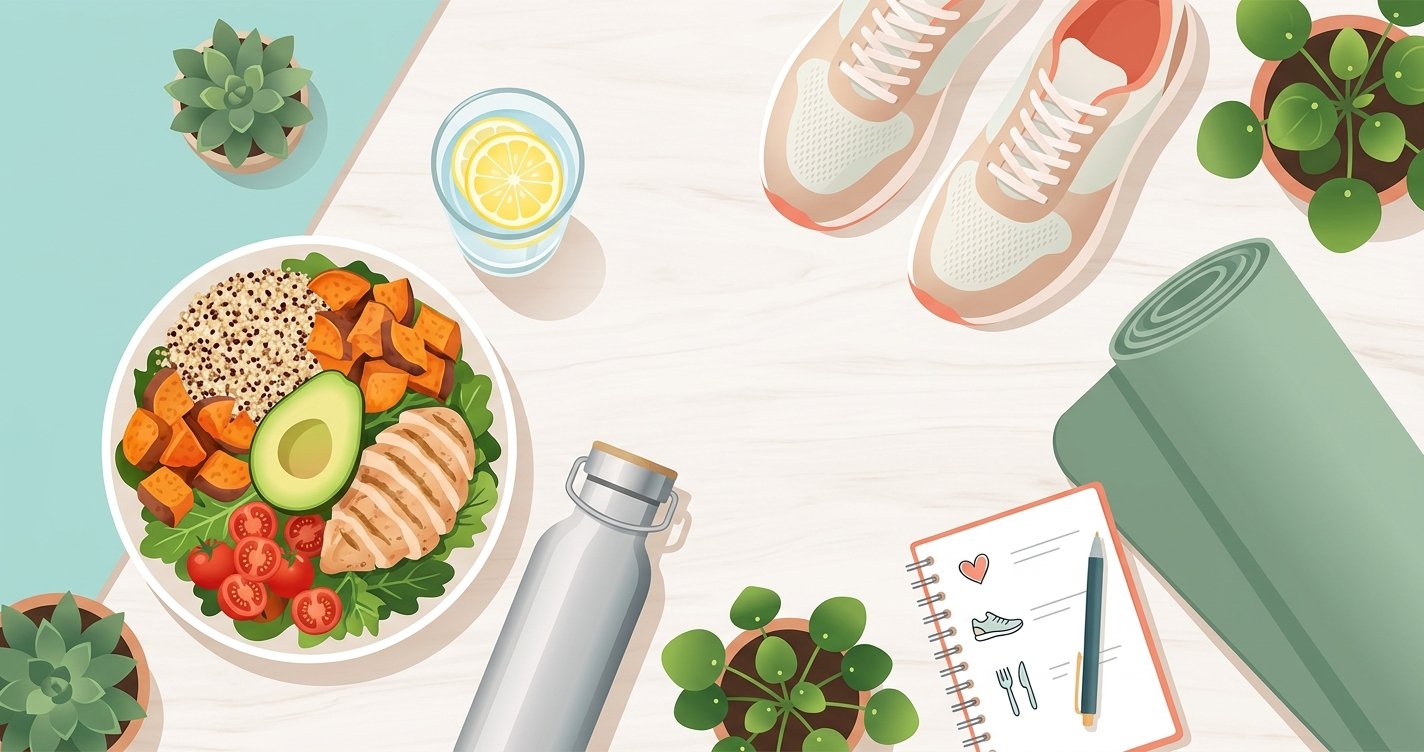
Are you tired of the endless cycle of restrictive diets, quick fixes, and the inevitable rebound weight gain? Many people embark on a fat loss journey with the best intentions, only to find themselves burnt out, hungry, and frustrated. The truth is, sustainable fat loss isn't about deprivation; it's about understanding your body's energy needs and creating a manageable, consistent calorie deficit. It sounds simple, and in principle, it is! But 'simple' doesn't always mean 'easy.'
In this comprehensive guide, we're going to demystify the calorie deficit, equip you with evidence-based strategies, and provide a friendly, encouraging roadmap to help you achieve lasting fat loss without sacrificing your sanity. Forget the fads; let's build habits that truly stick. this excellent wellness product
What Exactly *Is* a Calorie Deficit? The Core Principle
At its heart, a calorie deficit is the fundamental principle behind all fat loss. It means consuming fewer calories (units of energy from food and drink) than your body expends in a day. Think of your body as a car and calories as fuel. If you put in less fuel than you burn driving around, your car will eventually start using its stored fuel (in our case, body fat) to keep going.
Your body is constantly burning calories just to function – this is your Basal Metabolic Rate (BMR). On top of that, you burn calories through physical activity (walking, exercising, even fidgeting) and digesting food. The sum of all these expenditures is your Total Daily Energy Expenditure (TDEE).
When your calorie intake is less than your TDEE, you're in a calorie deficit, and your body taps into its fat reserves for energy, leading to fat loss. It's pure energy balance, and it's non-negotiable for losing weight.
Why Sustainability Matters More Than Speed in Fat Loss
The allure of rapid weight loss is strong, but often, it comes at a cost. Extreme calorie deficits (eating very little) can lead to:
- Nutrient Deficiencies: Making it hard to get all the vitamins and minerals your body needs.
- Muscle Loss: Your body might break down muscle tissue for energy instead of just fat, which can slow your metabolism.
- Metabolic Adaptation: Your body adapts by slowing down its metabolism to conserve energy, making future fat loss harder.
- Intense Hunger & Cravings: Leading to an increased likelihood of binge eating and feeling miserable.
- Rebound Weight Gain: The infamous 'yo-yo effect,' where initial rapid loss is followed by even quicker weight regain, often with more body fat.
A sustainable calorie deficit, on the other hand, is one you can maintain consistently over weeks and months without feeling deprived or constantly battling hunger. This approach allows for gradual, steady fat loss, preserves muscle mass, supports metabolic health, and most importantly, helps you build habits that last a lifetime.
How to Calculate Your Sustainable Calorie Deficit
Estimating your TDEE is the first step. While precise measurements require lab tests, online calculators offer a good starting point. They typically ask for your:
- Age
- Sex
- Height
- Weight
- Activity Level (sedentary, lightly active, moderately active, very active)
Popular TDEE calculators can be found with a quick search for 'TDEE calculator online.' Once you have your estimated TDEE, you'll want to create a deficit. For sustainable fat loss, a deficit of 250-500 calories per day is generally recommended. This translates to about 0.5 to 1 pound of fat loss per week (since one pound of fat is roughly 3,500 calories).
Example:
If your TDEE is 2,500 calories, a 500-calorie deficit would mean aiming for 2,000 calories per day. This allows for noticeable progress without extreme restriction.
Practical Strategies for Achieving Your Deficit (Without Feeling Starved!)
Creating a calorie deficit doesn't mean eating tiny portions of bland food. It's about making smarter choices that keep you satisfied and nourished.
1. Prioritize Protein
Protein is your best friend for fat loss. It's highly satiating, meaning it keeps you feeling fuller for longer. It also has a higher thermic effect (your body burns more calories digesting protein) and helps preserve muscle mass while in a deficit. Aim for 0.7-1 gram of protein per pound of body weight.
- Sources: Lean meats, poultry, fish, eggs, dairy (Greek yogurt, cottage cheese), legumes, tofu, protein powder.
2. Load Up on Fiber-Rich Foods
Fiber adds bulk to your meals without adding many calories, promoting fullness and aiding digestion. It's found abundantly in plant-based foods.
- Sources: Vegetables, fruits, whole grains (oats, quinoa, brown rice), beans, lentils.
3. Hydrate, Hydrate, Hydrate
Often, thirst is mistaken for hunger. Drinking plenty of water throughout the day can help manage appetite and keep you feeling full. Aim for 8-10 glasses daily, and consider drinking a glass before meals.
4. Mindful Eating & Portion Control
Slow down, savor your food, and pay attention to your body's hunger and fullness cues. Use smaller plates, measure out high-calorie items (like oils, nuts, dressings), and avoid distractions while eating.
5. Smart Snacking
If you need snacks, choose nutrient-dense options that support your deficit. Think protein and fiber combinations.
- Good Snacks: Greek yogurt with berries, apple slices with a tablespoon of peanut butter, a handful of almonds, vegetable sticks with hummus.
The Crucial Role of Exercise in a Sustainable Deficit
While nutrition creates the deficit, exercise complements it perfectly. It's not just about burning extra calories, although that helps. Exercise, especially strength training, is vital for:
- Muscle Preservation: Lifting weights signals to your body to hold onto muscle mass, which is crucial for maintaining a healthy metabolism.
- Increased TDEE: More muscle means a higher resting metabolism, burning more calories even at rest.
- Improved Body Composition: You might not lose much weight on the scale, but you'll look leaner and feel stronger.
- Mental Well-being: Exercise reduces stress, improves mood, and can boost motivation, making it easier to stick to your plan.
Aim for 3-4 sessions of strength training per week, combined with regular cardiovascular activity for heart health and additional calorie expenditure.
Tracking Progress and Adjusting When Needed
The scale isn't the only measure of success, nor should it be your sole focus. True progress encompasses much more:
- Non-Scale Victories: How your clothes fit, increased energy levels, improved strength, better sleep, clearer skin.
- Measurements: Track waist, hips, arms, and thigh circumference monthly.
- Progress Photos: Take photos every 4-6 weeks to visually see changes.
- Consistency is Key: Don't get discouraged by daily fluctuations on the scale (due to water retention, sodium intake, etc.). Look at weekly or bi-weekly averages.
If your fat loss stalls for 2-3 weeks (a plateau), it might be time to slightly adjust your calorie intake downwards (by another 100-200 calories) or increase your activity level. Remember, as you lose weight, your TDEE naturally decreases because there's less of you to move around!
Common Pitfalls to Avoid on Your Sustainable Fat Loss Journey
Even with the best intentions, it's easy to stumble. Be mindful of these common traps:
- Underestimating Calorie Intake: Even healthy foods can be calorie-dense (nuts, avocados, olive oil). Track accurately, especially in the beginning.
- Overestimating Calorie Burn from Exercise: Fitness trackers can be inaccurate. Don't 'eat back' all your exercise calories.
- Ignoring Hunger Cues: While a deficit means some hunger, extreme, constant hunger is a sign your deficit might be too large.
- Lack of Sleep: Poor sleep can disrupt hunger hormones (ghrelin and leptin), increase cravings, and impair recovery. Aim for 7-9 hours.
- All-or-Nothing Mentality: One 'bad' meal or day doesn't ruin your progress. Get back on track with your next meal; don't give up entirely.
Your Journey to Lasting Fat Loss Starts Now!
Sustainable fat loss through a calorie deficit is a marathon, not a sprint. It requires patience, consistency, and a willingness to learn about your body. By focusing on nutrient-dense foods, prioritizing protein and fiber, staying hydrated, incorporating regular exercise, and listening to your body, you can create a deficit that feels manageable and leads to lasting results.
Remember, this isn't about perfection; it's about progress. Start small, be kind to yourself, and celebrate every step forward. You have the power to transform your body and build a healthier, happier you. Let's make sustainable fat loss your reality!