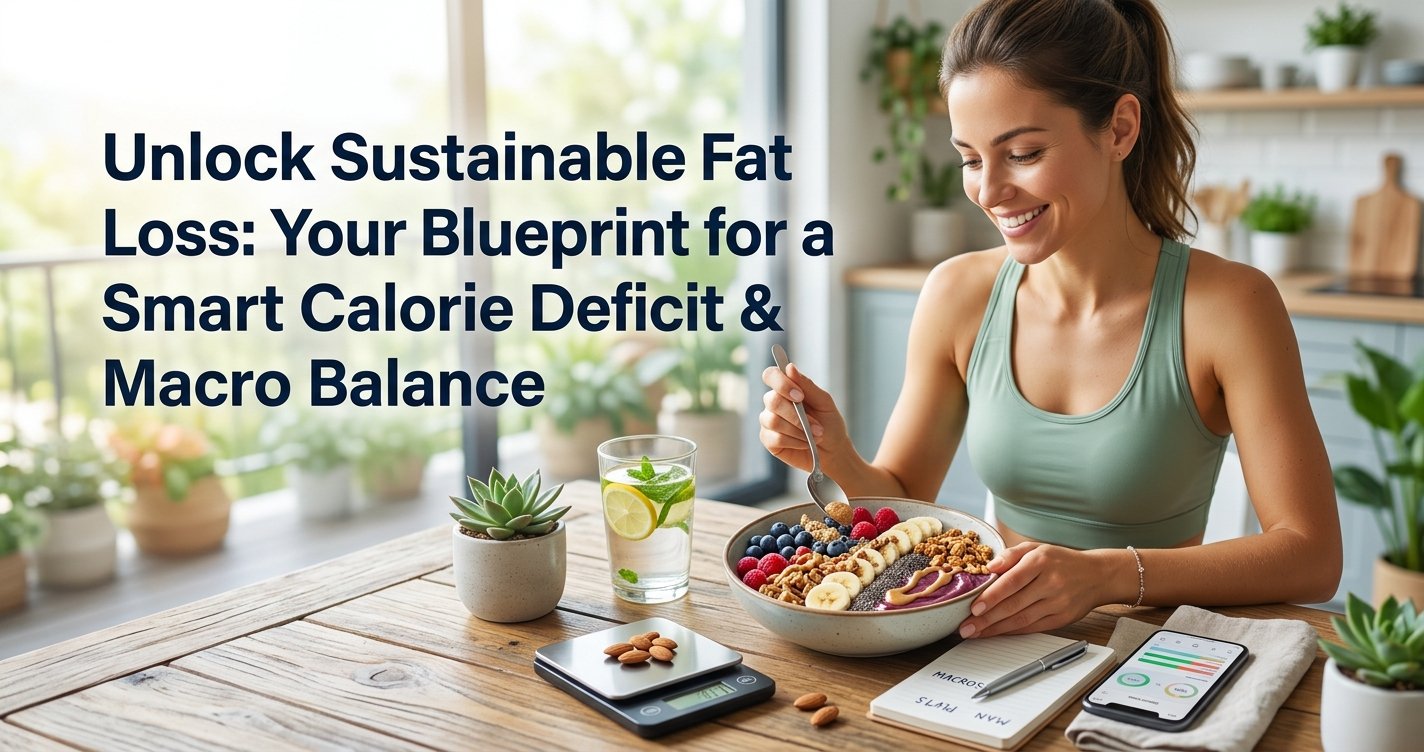
Are you tired of crash diets that promise quick fixes but leave you feeling deprived, frustrated, and right back where you started? You're not alone. The world of fat loss is often clouded with conflicting advice and unsustainable trends. But what if there was a simpler, more effective path? A path built on proven science, flexibility, and genuine understanding of your body?
Welcome to the blueprint for sustainable fat loss – a journey focused on mastering two powerful pillars: a smart calorie deficit and balanced macronutrient intake. This isn't about deprivation; it's about empowerment. It's about fueling your body intelligently to shed fat effectively, preserve muscle, and feel fantastic, all while building habits that last a lifetime. Let's dive in and demystify the science of losing fat for good! this excellent wellness product
Understanding the Calorie Deficit: Your Fat Loss Foundation
At its core, fat loss boils down to one fundamental principle: consuming fewer calories than your body expends. This creates a “calorie deficit.” When your body doesn't get enough energy from the food you eat, it taps into its stored energy reserves – your body fat – to make up the difference. It sounds simple, and it is, but the key word here is sustainable.
A smart calorie deficit isn't about drastic cuts that leave you ravenous and lethargic. It's about finding a moderate, manageable deficit (typically 300-500 calories below your maintenance level) that allows for consistent fat loss without sacrificing your energy levels, mood, or overall health. Think slow and steady wins the race. You can estimate your daily calorie needs using online calculators, then subtract a modest amount to begin your journey. Remember, consistency over perfection is the goal!
The Power of Protein: Building Blocks for Success
When you're aiming for fat loss, protein isn't just important – it's your MVP. Here’s why:
- Satiety Superstar: Protein is incredibly filling. Including adequate protein in your meals helps you feel fuller for longer, reducing cravings and making it easier to stick to your calorie deficit.
- Muscle Preservation: As you lose weight, you want to ensure you're losing fat, not valuable muscle. Protein provides the amino acids necessary to repair and build muscle, especially crucial if you're also incorporating strength training. More muscle means a higher resting metabolism!
- Thermic Effect: Protein has a higher thermic effect of food (TEF) than carbs or fats. This means your body expends more energy digesting and metabolizing protein, giving you a slight metabolic boost.
How much? For active individuals aiming for fat loss, a good general guideline is 0.7-1 gram of protein per pound of body weight (or target body weight) per day. Prioritize lean sources like chicken breast, fish, lean beef, eggs, dairy, and plant-based options like lentils, beans, and tofu.
Carbohydrates: Fueling Your Journey Smartly
Carbohydrates have often been demonized in the fat loss world, but they are essential for energy, brain function, and overall well-being. The key is choosing the right types and amounts. Think of carbs as your body's primary fuel source.
- Complex Carbs are Your Friends: Opt for whole, unprocessed carbohydrates like whole grains (oats, brown rice, quinoa), fruits, and vegetables. These are rich in fiber, which aids digestion, promotes satiety, and helps regulate blood sugar levels.
- Limit Refined Carbs: Sugary drinks, white bread, pastries, and highly processed snacks offer little nutritional value and can lead to energy crashes and increased cravings. Save these for occasional treats, not daily staples.
- Timing Matters (Sometimes): While total daily intake is most important, consuming some carbs around your workouts can help fuel performance and recovery.
The amount of carbohydrates will vary depending on your activity level and individual preferences, but they should generally make up a significant portion of your diet alongside protein.
Fats: Essential for Health and Hormones
Just like carbs, fats have often been misunderstood. Healthy fats are absolutely vital for hormone production, nutrient absorption (especially fat-soluble vitamins A, D, E, K), brain health, and providing a concentrated source of energy. They also contribute to satiety.
- Embrace Healthy Fats: Incorporate sources like avocados, nuts, seeds, olive oil, fatty fish (salmon, mackerel), and whole eggs. These provide essential fatty acids that your body cannot produce on its own.
- Mind Portion Sizes: While healthy, fats are calorie-dense (9 calories per gram compared to 4 for protein and carbs). Be mindful of your portion sizes to stay within your calorie deficit. A tablespoon of olive oil or a small handful of nuts can add up quickly.
Fats should make up a moderate percentage of your daily calories, typically 20-30%, ensuring you get enough essential fatty acids without overshooting your calorie target.
Beyond the Macros: Hydration, Fiber, and Micronutrients
While macros are central, don't forget these supporting players for optimal fat loss and health:
- Hydration: Drinking plenty of water is crucial. It supports metabolism, aids digestion, can help manage hunger, and keeps your body functioning optimally. Aim for at least 8 glasses a day.
- Fiber: Found in fruits, vegetables, and whole grains, fiber is a fat loss superhero. It adds bulk to your meals, making you feel full, and supports a healthy gut microbiome.
- Micronutrients: Vitamins and minerals are essential for countless bodily functions, including energy production and metabolism. A varied diet rich in whole foods will generally provide all the micronutrients you need.
Practical Strategies for Sustainable Implementation
Knowing the theory is one thing; putting it into practice is another. Here are actionable tips to make your fat loss journey enjoyable and sustainable:
- Meal Prepping: Dedicate a few hours each week to prepare healthy meals and snacks. This reduces decision fatigue and ensures you always have nutritious options on hand, preventing impulsive unhealthy choices.
- Track Progress, Not Just Weight: While the scale is one metric, also pay attention to how your clothes fit, your energy levels, strength gains, and body measurements. Celebrate non-scale victories!
- Listen to Your Body: Learn to differentiate between true hunger and emotional cravings. Practice mindful eating – eat slowly, savor your food, and stop when you're satisfied, not stuffed.
- Prioritize Sleep: Adequate sleep (7-9 hours) is critical for hormone regulation (ghrelin and leptin, which control hunger), recovery, and managing stress, all of which impact fat loss.
- Stay Active: Incorporate both strength training (to build and preserve muscle) and cardiovascular exercise (to burn calories and improve heart health) into your routine.
Common Pitfalls and How to Avoid Them
Even with the best intentions, it's easy to stumble. Be aware of these common traps:
- Too Aggressive a Deficit: Cutting calories too severely can lead to extreme hunger, nutrient deficiencies, muscle loss, and a slower metabolism. It's unsustainable and often backfires.
- Neglecting Protein: Not eating enough protein is a common mistake that can lead to muscle loss and constant hunger.
- Giving Up Too Soon: Fat loss is not linear. There will be plateaus and minor fluctuations. Consistency over weeks and months is what truly matters. Don't let a bad day or week derail your entire effort.
- Over-Restricting: Banning entire food groups or being overly rigid can lead to cravings and eventual binges. Allow for flexibility and occasional treats in moderation.
Your Sustainable Fat Loss Journey Starts Now!
Sustainable fat loss isn't a race; it's a lifestyle evolution. By understanding and consistently applying the principles of a smart calorie deficit and balanced macronutrient intake, you're not just losing weight – you're building a healthier, stronger, and more energetic you. Embrace the process, be patient with yourself, and celebrate every step of your journey. You have the power to transform your body and your health, one smart choice at a time. What small, sustainable change will you make today?