Unlock Sustainable Fat Loss: Your Friendly Guide to Calorie Deficits and Macronutrient Balance
Hey there, future you! Are you tired of the never-ending cycle of crash diets, restrictive eating, and the frustration of seeing the scale yo-yo? You’re not alone. Many people embark on a fat loss journey with incredible enthusiasm, only to be met with burnout, hunger, and ultimately, a return to old habits. The good news? It doesn't have to be this way.
This isn't another article promising a magic pill or a quick fix. Instead, we're going to dive into the two most fundamental, evidence-based pillars of sustainable fat loss: a thoughtful calorie deficit and intelligent macronutrient balance. Forget deprivation; we're talking about smart, effective strategies that will help you achieve your goals, feel great, and maintain your results for life. Ready to build a healthier, happier you? this excellent wellness product
The Cornerstone of Fat Loss: Understanding the Calorie Deficit
At its core, fat loss boils down to a simple principle: you need to consume fewer calories than your body burns. This is called a calorie deficit. Think of your body as a car. If you put less fuel in than it uses, it will eventually start tapping into its stored fuel (body fat) to keep going. It sounds simple, but the 'how' is where many people get lost.
What is a Calorie Deficit, Really?
A calorie deficit means your daily caloric intake is lower than your Total Daily Energy Expenditure (TDEE). Your TDEE is the total number of calories your body burns in a day, including your Basal Metabolic Rate (BMR – calories burned at rest), the energy used for physical activity, and the thermic effect of food (energy used to digest food).
Understanding this isn't about rigid counting forever, but about building awareness. It's the scientific basis for all successful fat loss, and once you grasp it, you hold the key to taking control.
How to Calculate Your Calorie Needs
Estimating your TDEE is the first step. You can use online calculators (like the Mifflin-St Jeor equation) that take into account your age, sex, weight, height, and activity level. Remember, these are estimates, not exact figures. Here’s a rough idea:
- Estimate BMR: This is what your body needs just to function.
- Factor in Activity: Add calories for exercise and daily movement.
- Calculate TDEE: Your total estimated daily burn.
Once you have your TDEE, you'll create a deficit. A common recommendation for sustainable fat loss is a deficit of 300-500 calories per day. This typically results in a healthy, manageable loss of 0.5-1 pound per week, which is more likely to be fat and less likely to involve significant muscle loss.
Creating Your Deficit: Slow and Steady Wins the Race
Resist the urge to drastically cut calories. A severe deficit (e.g., 1000+ calories below TDEE) might lead to rapid initial weight loss, but it's often unsustainable, can lead to nutrient deficiencies, muscle loss, and a slower metabolism in the long run. Aim for a moderate, consistent deficit that you can stick to comfortably. This approach prioritizes long-term success and health.
Beyond Calories: The Power of Macronutrient Balance
While a calorie deficit is non-negotiable for fat loss, what you eat within that deficit is equally crucial for your results, energy levels, and overall health. This is where macronutrients come in: protein, carbohydrates, and fats.
Protein: Your Fat Loss MVP
If there's one macronutrient to prioritize during fat loss, it's protein. Here's why:
- Satiety: Protein keeps you feeling fuller for longer, reducing cravings and overeating.
- Muscle Preservation: Adequate protein intake helps prevent muscle loss when you're in a deficit, ensuring that the weight you lose is primarily fat.
- Thermic Effect: Protein has a higher thermic effect of food (TEF) than carbs or fats, meaning your body burns more calories digesting it.
Aim for 0.7-1 gram of protein per pound of body weight (or target body weight) daily, distributed throughout your meals. Think lean meats, poultry, fish, eggs, dairy, legumes, and protein supplements.
Carbohydrates: Fueling Your Body Smartly
Carbohydrates are your body's primary energy source. Don't fear them! The key is choosing the right types and amounts. Focus on complex carbohydrates:
- Fiber-Rich: Whole grains (oats, brown rice, quinoa), fruits, and vegetables provide sustained energy, essential nutrients, and fiber, which aids digestion and satiety.
- Limit Refined Carbs: Sugary drinks, white bread, and pastries offer quick energy spikes followed by crashes and contribute little nutritional value.
Your carb intake will depend on your activity level. Active individuals will generally need more. They fuel your workouts and daily life, so finding your sweet spot is important for energy and performance.
Fats: Essential for Health and Satiety
Dietary fats are vital for hormone production, nutrient absorption, and overall health. They also contribute to satiety. The trick is to choose healthy fats and consume them in moderation, as they are calorie-dense.
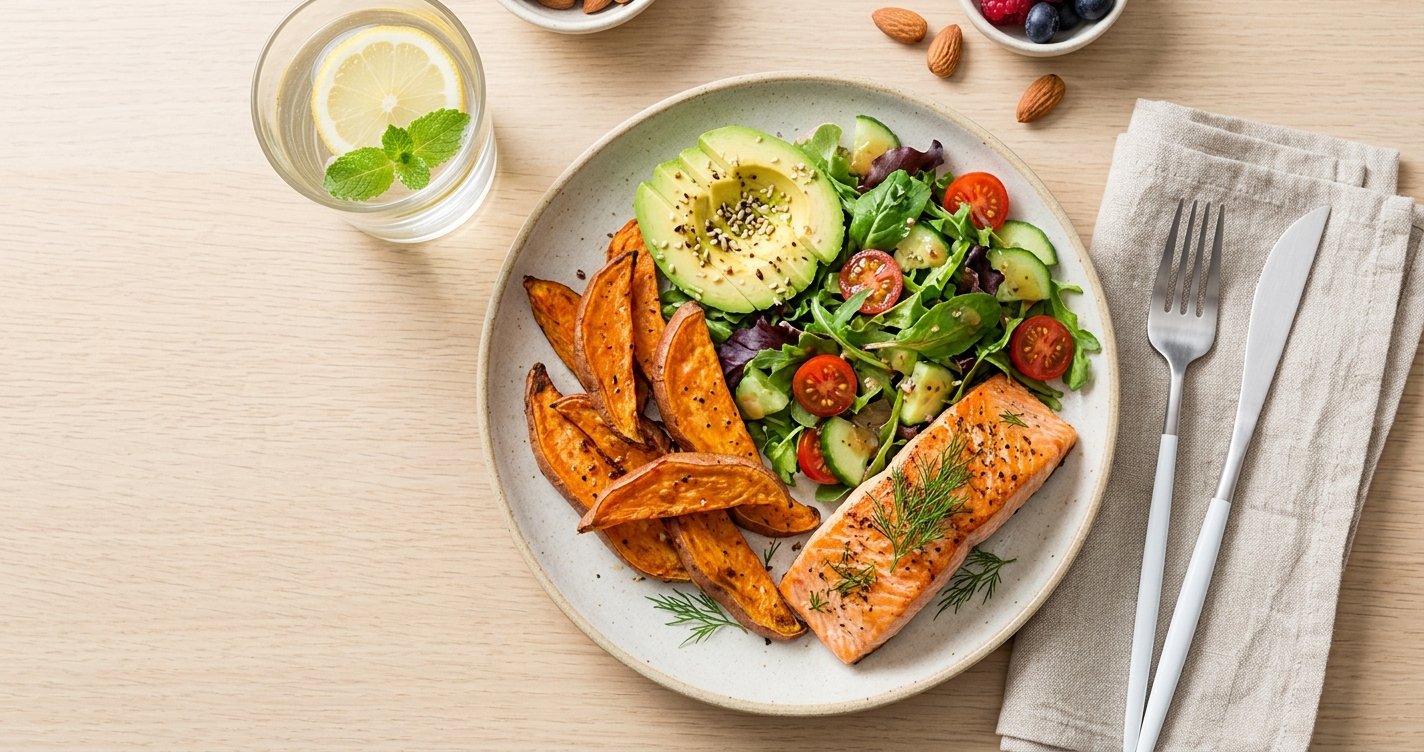
- Healthy Fats: Avocados, nuts, seeds, olive oil, and fatty fish (like salmon) are excellent sources.
- Limit Unhealthy Fats: Trans fats and excessive saturated fats found in processed foods should be minimized.
Aim for about 20-30% of your daily calories from healthy fats. They play a crucial role in making your diet enjoyable and sustainable.
Finding Your Ideal Macro Ratio
There's no single 'perfect' macro ratio for everyone. It's highly individual. A good starting point for fat loss often looks something like:
- Protein: 30-40% of total calories
- Carbohydrates: 30-40% of total calories
- Fats: 20-30% of total calories
Experiment and see what makes you feel best, supports your energy levels, and helps you adhere to your calorie deficit. The most important thing is consistency.
Practical Strategies for Sustainable Success
Knowing the science is one thing; putting it into practice is another. Here are some actionable tips to help you stay on track:
Tracking Made Easy
Initially, tracking your food intake using an app (like MyFitnessPal or Cronometer) can be incredibly insightful. It helps you understand the caloric and macronutrient content of your favorite foods. You don't have to track forever, but it's a powerful tool for learning and accountability, especially when you're first getting started or hitting a plateau. Don't aim for perfection, aim for consistency and learning.
Meal Planning and Preparation
One of the biggest hurdles to healthy eating is convenience. When hunger strikes and you haven't planned, unhealthy choices are often the easiest. Dedicate some time each week to:
- Plan your meals: Decide what you'll eat for breakfast, lunch, dinner, and snacks.
- Grocery shop: Buy everything you need for the week.
- Prep your food: Cook in bulk, chop vegetables, portion out snacks.
This significantly reduces decision fatigue and makes sticking to your deficit and macro goals much easier.
Hydration and Fiber
These two often overlooked elements are crucial for fat loss and overall health:
- Water: Staying well-hydrated helps with satiety, metabolism, and energy levels. Often, thirst is mistaken for hunger.
- Fiber: Found in fruits, vegetables, and whole grains, fiber aids digestion, promotes gut health, and keeps you feeling full.
Aim for at least 8 glasses of water a day and prioritize fiber-rich foods in every meal.
The Role of Exercise
While a calorie deficit is the primary driver of fat loss, exercise is a powerful complement. It helps you:
- Burn more calories: Increasing your TDEE, allowing for a slightly larger deficit or more food.
- Preserve muscle mass: Especially strength training, which is vital for maintaining a healthy metabolism.
- Improve overall health: Cardiovascular health, mood, sleep, and bone density all benefit.
Find an activity you enjoy and can stick with consistently. It doesn't have to be hours in the gym; walking, cycling, or dancing all count!
Listening to Your Body and Adapting
Your fat loss journey won't be a straight line. There will be plateaus, good days, and challenging days. Learning to listen to your body and adapt is key.
Progress, Not Perfection
Don't obsess over daily weigh-ins. Body weight fluctuates due to water, sodium, and other factors. Instead, look at trends over weeks. Track non-scale victories like increased energy, better sleep, clothes fitting differently, and improved strength. If progress stalls for a couple of weeks, you might need to slightly adjust your calorie intake or activity levels.
The Importance of Sleep and Stress Management
Fat loss isn't just about food and exercise; it's also profoundly affected by sleep and stress. Poor sleep can disrupt hormones that regulate hunger (ghrelin) and satiety (leptin), leading to increased cravings and overeating. Chronic stress can elevate cortisol, which can promote fat storage, especially around the belly. Prioritize 7-9 hours of quality sleep and find healthy ways to manage stress.
Building Habits for a Lifetime
The goal isn't just to lose fat; it's to build a healthier lifestyle that you can maintain indefinitely. This means focusing on habits, not just outcomes.
Consistency Over Intensity
Small, consistent changes yield far greater long-term results than drastic, short-lived efforts. Focus on making one or two sustainable changes at a time. Master them, then add another. This gradual approach builds resilience and makes the process feel less overwhelming.
Embracing Flexibility
Life happens! There will be social events, holidays, and moments where strict adherence isn't possible or desirable. The 80/20 rule (eating healthily 80% of the time and allowing for flexibility 20% of the time) can be incredibly helpful. It prevents feelings of deprivation and makes your journey more enjoyable and sustainable. Remember, one meal or one day off track doesn't derail your entire progress.
Your Sustainable Fat Loss Journey Starts Now
You now have the fundamental knowledge to approach fat loss in a sustainable, evidence-based way. By understanding and consistently applying the principles of a moderate calorie deficit and balanced macronutrient intake, you're setting yourself up for success, not just for losing weight, but for improving your overall health and well-being.
This is your journey, and it's about making choices that nourish your body and mind. Be patient, be consistent, and most importantly, be kind to yourself. You've got this!