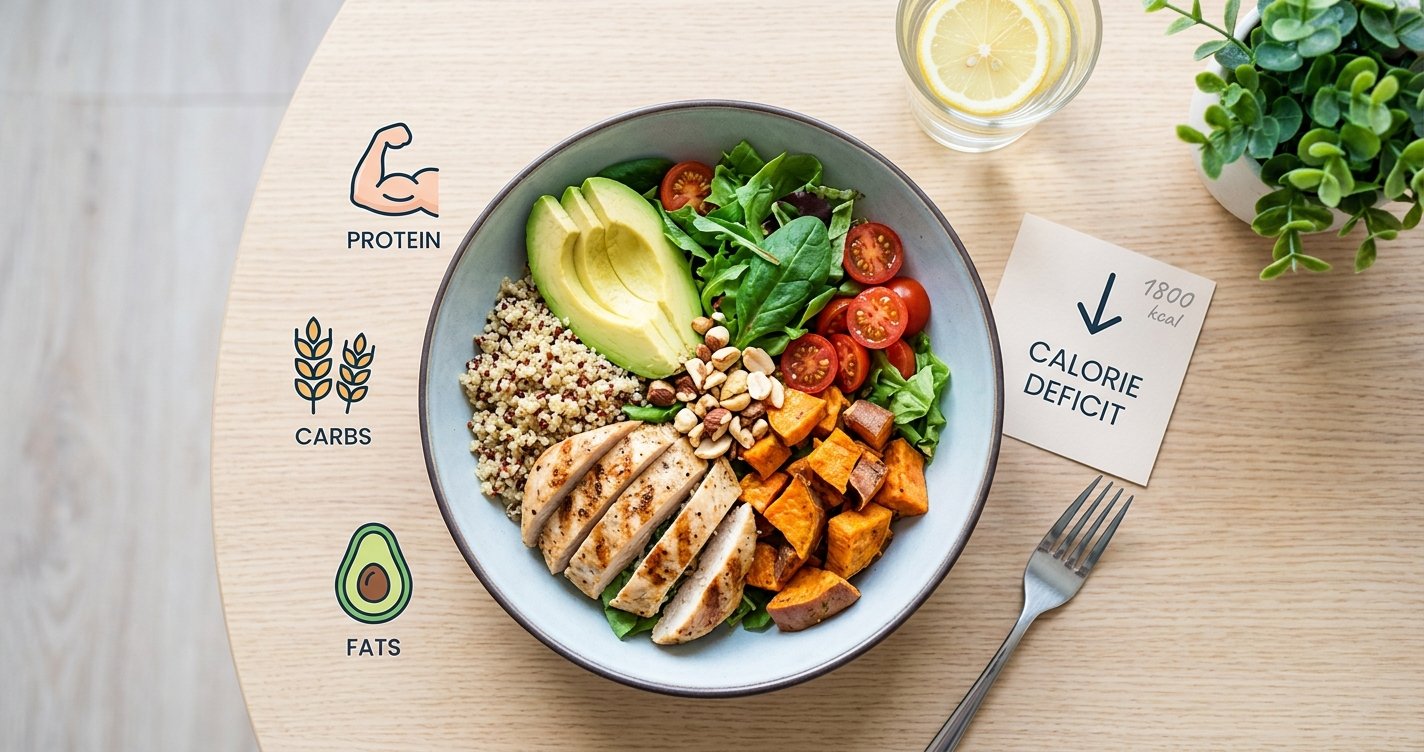
Unlock Sustainable Fat Loss: Your Guide to Calorie Deficit & Macronutrient Magic
Are you tired of yo-yo dieting and quick fixes that never seem to last? Do you dream of achieving lasting fat loss without feeling deprived or constantly battling hunger? You're in the right place! Sustainable fat loss isn't about extreme measures; it's about understanding your body and fueling it intelligently. Today, we're diving deep into the two most critical pillars for long-term success: creating a smart calorie deficit and mastering your macronutrient balance. Forget the fads – let's build a foundation for a healthier, happier you that truly lasts.
Understanding the Calorie Deficit: The Foundation of Fat Loss
At its core, fat loss boils down to a simple scientific principle: you must consume fewer calories than your body expends. This is known as a calorie deficit, and it's non-negotiable for shedding unwanted body fat. this excellent wellness product
What Exactly is a Calorie Deficit?
Think of your body as a car. Calories are its fuel. If you put more fuel in than you burn driving, the excess gets stored (as fat). If you put less fuel in than you burn, your body has to tap into its stored fuel reserves (your body fat) to make up the difference. That "difference" is your calorie deficit.
Why It Matters for Sustainable Fat Loss
While various diets promise rapid results, the underlying mechanism for fat loss is always a calorie deficit. Without it, even the "healthiest" foods can contribute to weight gain if consumed in excess. The key to sustainability is creating a moderate deficit – typically 300-500 calories below your maintenance level – to ensure steady, healthy fat loss without compromising energy levels or muscle mass.
How to Calculate Your Calorie Deficit (Simply)
Estimating your daily calorie needs (your Total Daily Energy Expenditure or TDEE) is the first step. Online calculators can provide a good starting point by considering your age, sex, weight, height, and activity level. Once you have an estimate, subtract 300-500 calories to establish your target for fat loss. Remember, these are estimates, and your body's needs can change. Listen to your body and adjust as needed!
- Estimate your TDEE: Use an online calculator as a starting point.
- Subtract for a deficit: Aim for 300-500 calories below your TDEE.
- Track and adjust: Monitor your progress and make small tweaks to your intake.
The Power of Macronutrients: Beyond Just Calories
While a calorie deficit is the driver of fat loss, macronutrients (protein, carbohydrates, and fats) dictate how your body loses weight, whether it's primarily fat, muscle, or water. Optimizing your macros ensures you preserve lean muscle mass, feel full, and have ample energy.
Protein: Your Muscle-Preserving, Satiety-Boosting Ally
Protein is the undisputed champion for fat loss. Here's why:
- Satiety: Protein is incredibly filling, helping you feel satisfied and reduce cravings.
- Muscle Preservation: When in a calorie deficit, adequate protein intake is crucial to prevent muscle loss, which is vital for maintaining a healthy metabolism.
- Thermic Effect of Food (TEF): Protein has a higher TEF than carbs or fats, meaning your body burns more calories digesting it.
Recommendation: Aim for 0.7 to 1 gram of protein per pound of your target body weight. Good sources include lean meats, poultry, fish, eggs, dairy, legumes, and protein supplements.
Carbohydrates: Fuel for Your Workouts and Brain
Often demonized, carbohydrates are essential for energy, especially if you're active. They fuel your workouts, support brain function, and prevent fatigue.
- Complex Carbs: Focus on whole grains, fruits, and vegetables. These are rich in fiber, which aids digestion, promotes satiety, and stabilizes blood sugar.
- Timing: Consuming carbs around your workouts can optimize performance and recovery.
Recommendation: Carbs should make up a significant portion of your diet, especially whole, unprocessed sources. The exact amount will vary based on your activity level and individual tolerance, but generally 30-40% of your total calories is a good starting point.
Fats: Essential for Hormones and Health
Dietary fats are vital for hormone production, nutrient absorption, and overall health. Don't fear them, but choose wisely and consume in moderation, as they are calorie-dense.
- Healthy Fats: Prioritize monounsaturated and polyunsaturated fats found in avocados, nuts, seeds, olive oil, and fatty fish (omega-3s).
- Avoid Trans Fats: These are harmful and offer no health benefits.
Recommendation: Fats should typically make up 20-30% of your total daily calories. This balance helps keep you full and supports crucial bodily functions.
Balancing Your Plate for Sustainable Success
Knowing about calories and macros is one thing; putting it into practice is another. Here's how to build a plate that supports your fat loss goals:
Practical Tips for Macronutrient Distribution
- Visualize Your Plate: Aim for half your plate to be non-starchy vegetables, a quarter lean protein, and a quarter complex carbohydrates. Add a small serving of healthy fats.
- Spread Protein Out: Distribute your protein intake across all your meals and snacks to maximize muscle protein synthesis and satiety throughout the day.
- Flexibility is Key: Don't get bogged down by perfection. Life happens. Focus on consistency over absolute precision.
Prioritizing Whole, Nutrient-Dense Foods
While you can fit "treats" into a calorie deficit, prioritizing whole, unprocessed foods is crucial. They provide essential vitamins, minerals, and fiber that support overall health, energy levels, and satiety. Think fresh produce, lean proteins, and whole grains.
Meal Planning and Preparation
One of the most effective strategies for sustainable fat loss is meal planning and preparation. Spend some time each week planning your meals and snacks, and pre-preparing ingredients or entire dishes. This reduces decision fatigue, prevents impulse unhealthy choices, and ensures you consistently hit your calorie and macro targets.
Beyond the Numbers: Holistic Factors for Fat Loss
While calories and macros are fundamental, sustainable fat loss is a holistic journey. Don't overlook these crucial elements:
Hydration and Fiber
Drinking plenty of water is vital for metabolism, satiety, and overall health. Fiber, found in fruits, vegetables, and whole grains, also contributes significantly to fullness and healthy digestion.
Sleep and Stress Management
Poor sleep and high stress levels can wreak havoc on your hormones, increasing cravings for unhealthy foods and making fat loss significantly harder. Prioritize 7-9 hours of quality sleep and find healthy ways to manage stress, such as meditation, yoga, or spending time in nature.
Consistency and Patience
Fat loss is not a linear process. There will be good days and challenging days. The most important ingredient for success is consistency over time. Be patient with yourself, celebrate small victories, and remember that slow and steady often wins the race when it comes to lasting results.
Common Pitfalls and How to Avoid Them
Even with the best intentions, it's easy to stumble. Being aware of common mistakes can help you navigate your journey more smoothly:
Extreme Restrictions
Cutting calories too drastically or eliminating entire food groups often leads to unsustainable hunger, nutrient deficiencies, and eventual rebound weight gain. A moderate, consistent approach is always better.
Ignoring Micronutrients
Focusing solely on macros and calories without considering the quality of your food can lead to deficiencies. Prioritize a wide variety of fruits, vegetables, and whole foods to ensure you're getting all essential vitamins and minerals.
Lack of Tracking or Awareness
While you don't need to track forever, initially monitoring your food intake can provide invaluable insight into your eating habits, helping you understand where your calories and macros are truly coming from. This awareness empowers you to make informed adjustments.
Your Journey to Lasting Fat Loss Starts Now
Achieving sustainable fat loss is an empowering journey that combines science with self-awareness. By understanding the critical role of a calorie deficit and mastering the balance of your macronutrients – protein, carbohydrates, and fats – you're building a foundation that goes far beyond temporary fixes. Remember to prioritize whole foods, stay hydrated, manage stress, and get enough sleep. Embrace consistency, be patient with your progress, and celebrate every step forward. This isn't just about losing weight; it's about cultivating a healthier, more vibrant lifestyle that you can maintain for years to come. You have the knowledge; now go forth and thrive!