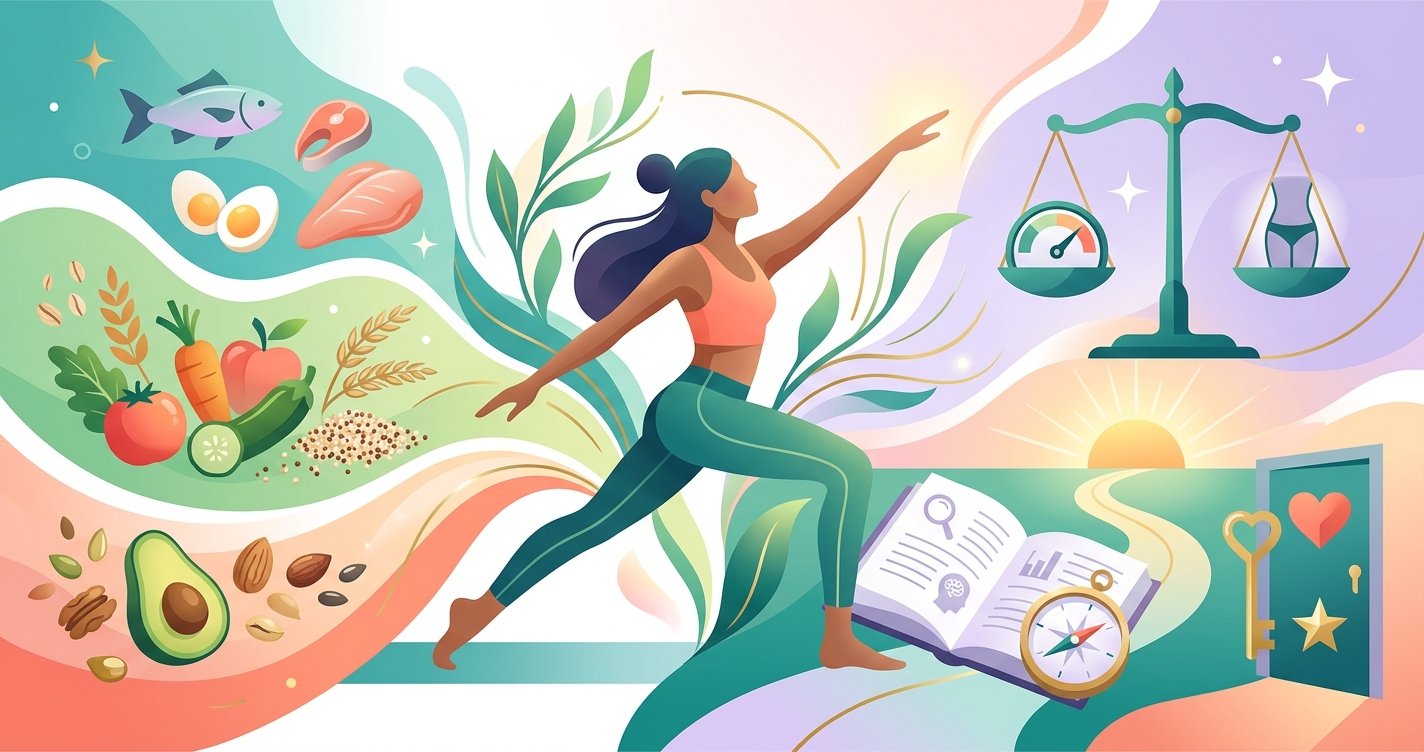
Are you tired of the endless cycle of restrictive diets, quick fixes, and disappointing results? You're not alone. The world of fat loss can feel overwhelming, filled with conflicting advice and unsustainable trends. But what if we told you that achieving your fat loss goals doesn't have to be a battle against your body? What if it could be a journey of understanding, consistency, and nourishing yourself towards a healthier, leaner you?
This comprehensive guide is designed to cut through the noise and provide you with an evidence-based, friendly, and encouraging roadmap to sustainable fat loss. We'll focus on two fundamental pillars: understanding and managing your calorie deficit, and harnessing the power of macronutrients. Forget extreme measures; it's time to build habits that truly last. this excellent wellness product
The Core Principle: Understanding the Calorie Deficit
At its heart, fat loss is a simple equation: you need to consume fewer calories than your body burns. This state is known as a calorie deficit. While simple in concept, mastering it requires a bit of knowledge and a lot of consistency.
What is a Calorie Deficit?
A calorie deficit occurs when your body expends more energy (calories) than it takes in from food and drink. When this happens, your body turns to its stored energy reserves – primarily fat – to make up the difference. This is the only way your body can lose fat. No amount of 'superfoods' or 'detox teas' can bypass this fundamental biological principle.
How to Calculate Your Maintenance Calories (TDEE)
Before you can create a deficit, you need to know your maintenance calories – the total number of calories your body burns in a day to maintain its current weight. This is your Total Daily Energy Expenditure (TDEE). Several online calculators can help you estimate your TDEE by inputting factors like your age, sex, weight, height, and activity level. While these are estimates, they provide an excellent starting point.
Setting a Realistic and Sustainable Deficit
Once you have your TDEE, you can create a deficit. A common recommendation for sustainable fat loss is to aim for a deficit of 300-500 calories per day. This typically translates to a healthy and manageable fat loss of 1-2 pounds per week. Larger deficits can lead to quicker initial weight loss, but often come with downsides like muscle loss, nutrient deficiencies, extreme hunger, and a higher likelihood of rebound weight gain. Remember, slow and steady often wins the race for long-term success.
Macronutrients: Your Body's Building Blocks for Fat Loss
While a calorie deficit dictates whether you lose weight, the composition of those calories – your macronutrients – determines what kind of weight you lose (fat vs. muscle) and how you feel along the way. The three macronutrients are protein, carbohydrates, and fats, and each plays a crucial role.
Protein Power: Why It's Your Best Friend
Protein is paramount for fat loss. It's the most satiating macronutrient, meaning it helps you feel fuller for longer, reducing overall calorie intake. Furthermore, protein has a higher thermic effect of food (TEF) than carbs or fats, meaning your body burns more calories digesting it. Most importantly, adequate protein intake is crucial for preserving lean muscle mass during a calorie deficit. Muscle is metabolically active, burning more calories at rest than fat, so maintaining it is key for a healthy metabolism. Aim for 0.7-1 gram of protein per pound of your target body weight.
Carbohydrates: Fueling Your Body Smartly
Carbohydrates are your body's primary energy source. They fuel your workouts, brain function, and daily activities. The key is choosing the right types of carbs. Focus on complex carbohydrates like whole grains, fruits, and vegetables, which are rich in fiber. Fiber aids digestion, promotes satiety, and helps stabilize blood sugar levels, preventing energy crashes and cravings. Limit refined sugars and processed carbs, which offer little nutritional value and can contribute to energy spikes and subsequent crashes.
Healthy Fats: Essential for Hormones and Satiety
Despite past misconceptions, fats are not the enemy! Healthy fats are vital for hormone production, nutrient absorption (especially fat-soluble vitamins A, D, E, K), and overall cellular function. They also contribute to satiety, helping you feel satisfied after meals. Incorporate sources like avocados, nuts, seeds, olive oil, and fatty fish (salmon, mackerel). Aim for healthy fats to make up about 20-30% of your total daily calorie intake.
How to Balance Your Macros for Optimal Results
While specific macro ratios can vary based on individual preferences and activity levels, a good starting point for fat loss often looks like this:
- Protein: 30-40% of total calories
- Carbohydrates: 30-40% of total calories
- Fats: 20-30% of total calories
Experiment to find what makes you feel best and supports your energy levels and satiety. Tracking your intake for a few weeks using an app can be incredibly insightful, helping you understand where your calories and macros are actually coming from.
Beyond the Numbers: Lifestyle Factors That Supercharge Fat Loss
While calories and macros are foundational, sustainable fat loss isn't just about what you eat. Your lifestyle plays a massive role in your body's ability to shed fat effectively.
The Underrated Role of Sleep
In our busy lives, sleep is often the first thing to get cut. However, insufficient sleep can sabotage your fat loss efforts significantly. Lack of sleep disrupts hormones that regulate appetite – ghrelin (increases hunger) and leptin (signals fullness). It also increases cortisol, a stress hormone that can promote fat storage, particularly around the midsection. Aim for 7-9 hours of quality sleep per night.
Stress Management: Taming the Cortisol Beast
Chronic stress, whether from work, relationships, or even over-exercising, keeps cortisol levels elevated. As mentioned, high cortisol can encourage fat storage, especially visceral fat (the dangerous fat around your organs). Finding healthy ways to manage stress – through mindfulness, meditation, hobbies, spending time in nature, or deep breathing – is not just good for your mental health, it's crucial for your physical health and fat loss.
Hydration: Simple Yet Powerful
Drinking enough water is a simple yet often overlooked component of fat loss. Water helps with metabolism, aids in nutrient transport, and can even help you feel fuller, potentially reducing overall calorie intake. Sometimes, what we perceive as hunger is actually thirst. Aim for at least 8 glasses (around 2 liters) of water daily, and more if you're active or in a hot climate.
Exercise: Moving Your Way to a Leaner You
While a calorie deficit can be achieved through diet alone, incorporating exercise significantly enhances fat loss, improves body composition, and offers a myriad of health benefits. It's about moving your body in ways you enjoy!
Why Strength Training is Non-Negotiable
If you want to look lean and toned, strength training is your best friend. It builds and preserves muscle mass, which is critical during a calorie deficit to ensure you're losing fat, not muscle. More muscle means a higher resting metabolic rate, helping you burn more calories even when you're not exercising. Aim for 2-4 strength training sessions per week, focusing on compound movements.
Cardio for Calorie Burn and Heart Health
Cardiovascular exercise, like brisk walking, jogging, cycling, or swimming, is excellent for burning calories, improving heart health, and boosting your mood. It complements strength training by increasing your overall calorie expenditure, helping you deepen your deficit. Find activities you genuinely enjoy to make it a sustainable part of your routine.
Mindset and Consistency: The True Pillars of Success
The most perfectly designed diet and exercise plan will fail without the right mindset and unwavering consistency. Fat loss is a marathon, not a sprint.
Embracing Patience and Progress Over Perfection
There will be days when you slip up, when the scale doesn't move, or when motivation wanes. This is normal! True success comes from not letting perfection be the enemy of good. Learn from setbacks, adjust, and keep moving forward. Celebrate non-scale victories like increased energy, better sleep, stronger lifts, or clothes fitting better.
Building Sustainable Habits
Instead of viewing fat loss as a temporary diet, think of it as an opportunity to build healthier habits for life. Focus on small, consistent changes that you can maintain long-term. These habits – like prioritizing protein, drinking enough water, getting quality sleep, and moving your body – will be the foundation of your success, not just for fat loss, but for overall well-being.
Your Journey Starts Now
Sustainable fat loss isn't about deprivation; it's about empowerment through knowledge and consistent action. By understanding the core principles of a calorie deficit, optimizing your macronutrient intake, prioritizing sleep and stress management, and embracing regular exercise, you're not just losing weight – you're building a healthier, stronger, and more vibrant you. Take the first step today, commit to consistency, and trust the process. Your future self will thank you!