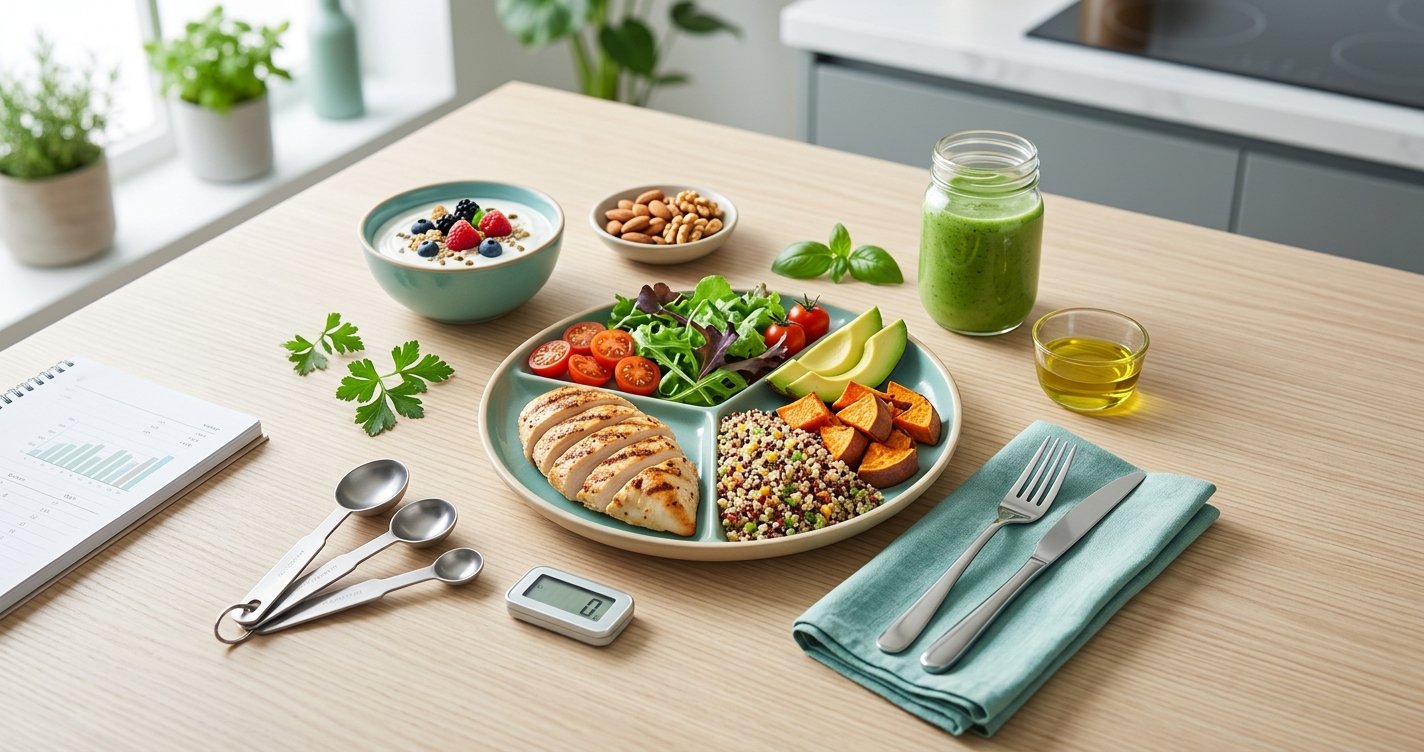
Are you tired of the endless cycle of restrictive diets, quick fixes, and disappointing results when it comes to fat loss? You're not alone. Many people get caught in the trap of believing that extreme measures are the only way to shed unwanted fat. But what if we told you there's a more sustainable, evidence-based, and ultimately more effective path? It all comes down to understanding two fundamental pillars: creating a smart calorie deficit and balancing your macronutrients.
Forget the fads and the latest 'miracle' pills. True, lasting fat loss isn't about deprivation; it's about intelligent nutrition that fuels your body, satisfies your hunger, and supports your health while gently nudging your body to tap into its fat stores. Let's dive into how you can harness these powerful principles to achieve your fat loss goals in a way that feels good and lasts a lifetime. this excellent wellness product
The Core Principle: Understanding the Calorie Deficit
At its heart, fat loss is a simple equation: you need to consume fewer calories than your body burns. This state is known as a calorie deficit. When your body doesn't get enough energy from the food you eat, it turns to its stored energy reserves – primarily fat – to make up the difference. It's pure physics!
How to Create a Sustainable Calorie Deficit
- Estimate Your TDEE (Total Daily Energy Expenditure): This is the total number of calories your body burns in a day, including basal metabolic rate (BMR), physical activity, and the thermic effect of food. Online calculators can give you a good starting estimate, but remember they are just estimates.
- Aim for a Moderate Deficit: A good starting point for sustainable fat loss is a deficit of 250-500 calories per day below your TDEE. This typically results in a healthy, steady weight loss of 0.5-1 pound per week. Why not more? Larger deficits can lead to muscle loss, nutrient deficiencies, extreme hunger, and can be difficult to sustain, often leading to rebound weight gain.
- Don't Drastically Cut Calories: Severely restricting calories can trigger your body's survival mechanisms, slowing down your metabolism and making fat loss harder in the long run. It's about working *with* your body, not against it.
Macronutrients: Your Building Blocks for Success
While calories are king for fat loss, what those calories are made of – your macronutrients – plays a crucial role in how you feel, how much muscle you retain, and how successful you are in the long term. Macronutrients are protein, carbohydrates, and fats, and each plays a distinct role in your body.
Protein: Your Fat Loss MVP
If there's one macronutrient you should prioritize for fat loss, it's protein. Here's why:
- Satiety: Protein is incredibly filling. Including adequate protein in your meals helps you feel fuller for longer, reducing overall calorie intake.
- Muscle Preservation: When you're in a calorie deficit, your body can sometimes break down muscle tissue for energy. A high protein intake helps to signal your body to preserve precious muscle mass, ensuring that the weight you lose is primarily fat.
- Thermic Effect of Food (TEF): Protein has a higher TEF than carbs or fats, meaning your body burns more calories digesting and metabolizing protein.
Recommendation: Aim for 1.6-2.2 grams of protein per kilogram of body weight (or 0.7-1 gram per pound of goal body weight) daily, spread across your meals.
Carbohydrates: Fueling Your Body Smartly
Carbohydrates have often been demonized in the fat loss world, but they are essential for energy, brain function, and exercise performance. The key is to choose the right kind and amount.
- Complex Carbs are Your Friends: Opt for whole grains, fruits, and vegetables. These are rich in fiber, which aids digestion, promotes satiety, and provides sustained energy, preventing blood sugar spikes and crashes.
- Timing Can Matter: While not strictly necessary for fat loss, consuming some carbs around your workouts can provide energy for performance and aid recovery.
- Don't Fear Them: Cutting carbs too low can lead to fatigue, irritability, and poor workout performance. Find a balance that supports your energy levels and activity.
Fats: Essential for Health and Hormones
Dietary fats are crucial for hormone production, nutrient absorption, and overall health. They also contribute to satiety, but since they are calorie-dense, moderation is key.
- Choose Healthy Fats: Focus on unsaturated fats found in avocados, nuts, seeds, olive oil, and fatty fish. Limit saturated and trans fats.
- Moderation is Key: While essential, fats contain 9 calories per gram (compared to 4 for protein and carbs), so it's easy to overconsume them. A good starting point is around 20-30% of your total daily calories from fat.
Practical Strategies for Sustainable Implementation
Knowing the science is one thing; putting it into practice is another. Here are some actionable steps:
- Meal Planning & Preparation: Dedicate time each week to plan your meals and prep some components. This reduces decision fatigue and the likelihood of reaching for less healthy options when hunger strikes.
- Track Your Intake (Initially): Using a food tracking app for a few weeks can be incredibly enlightening. It helps you understand portion sizes, calorie density, and your typical macronutrient breakdown. You don't have to track forever, but it's a powerful learning tool.
- Mindful Eating: Pay attention to your body's hunger and fullness cues. Eat slowly, savor your food, and put away distractions. This can prevent overeating and improve your relationship with food.
- Hydration is Key: Sometimes, thirst can be mistaken for hunger. Drink plenty of water throughout the day. It also helps with satiety and overall bodily functions.
- Prioritize Whole, Unprocessed Foods: These foods are typically more nutrient-dense, higher in fiber, and more filling than their processed counterparts, making it easier to stay within your calorie goals.
Beyond the Plate: Lifestyle Factors That Support Fat Loss
While nutrition is paramount, other lifestyle elements significantly impact your ability to lose fat sustainably.
- Quality Sleep: Lack of sleep can disrupt hormones that regulate hunger (ghrelin) and satiety (leptin), leading to increased cravings and calorie intake. Aim for 7-9 hours of quality sleep per night.
- Stress Management: Chronic stress elevates cortisol levels, which can promote fat storage, especially around the midsection. Incorporate stress-reducing activities like meditation, yoga, or spending time in nature.
- Movement & Exercise: While you can't out-train a bad diet, regular physical activity complements your nutrition efforts by burning extra calories, building muscle (which boosts metabolism), and improving overall health. Focus on a mix of strength training and cardio.
Overcoming Challenges and Staying Motivated
Your fat loss journey won't always be a straight line, and that's perfectly normal. Expect plateaus, off-days, and moments of frustration. The key is how you respond to them.
- Re-evaluate and Adjust: If progress stalls, revisit your calorie intake and activity levels. Are you accurately tracking? Has your TDEE changed? Small adjustments can make a big difference.
- Focus on Non-Scale Victories: Celebrate increased energy, better sleep, clothes fitting differently, strength gains, or improved mood. These indicators of progress are just as important as the number on the scale.
- Be Patient and Consistent: Sustainable fat loss takes time. Trust the process, stay consistent with your efforts, and be kind to yourself.
Adopting a balanced approach to fat loss, centered around a smart calorie deficit and optimal macronutrient intake, isn't just about reaching a number on the scale. It's about building healthy habits that empower you to feel your best, inside and out. It's a journey of self-discovery and sustainable change, and you've got this!