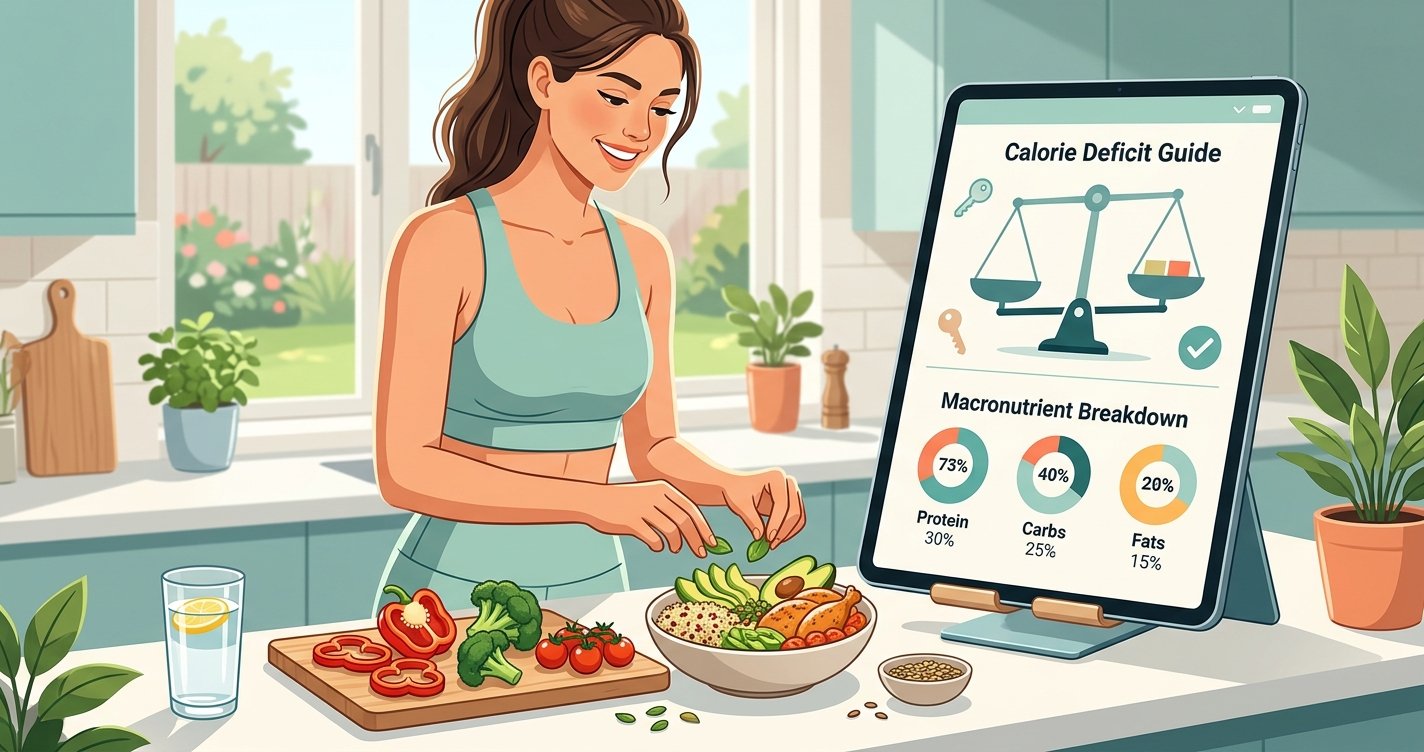
Embarking on a fat loss journey can feel overwhelming. With countless diets, trends, and conflicting advice, it’s easy to get lost in the noise. But what if we told you that sustainable, long-term fat loss doesn't require extreme measures or sacrificing your favorite foods? It boils down to understanding two core, evidence-based principles: creating a modest calorie deficit and optimizing your macronutrient intake. This isn't about quick fixes; it's about building healthy habits that last a lifetime, helping you shed fat effectively and keep it off. Let's dive into a friendly, encouraging, and scientifically-backed approach to transforming your body and your relationship with food.
The Core Principle: Understanding the Calorie Deficit
At its heart, fat loss is a simple equation: you need to consume fewer calories than your body burns. This state is known as a calorie deficit. While simple in theory, achieving it sustainably requires a bit of understanding and strategy. this excellent wellness product
What is a Calorie Deficit, Really?
Think of calories as units of energy. Your body constantly burns energy for everything from breathing and digestion to walking and exercising. This total amount of energy your body expends in a day is called your Total Daily Energy Expenditure (TDEE). When you consistently eat fewer calories than your TDEE, your body starts tapping into its stored energy reserves – primarily fat – to make up the difference. This is how fat loss occurs.
How to Estimate Your Maintenance Calories (TDEE)
Before you can create a deficit, you need to know your starting point. Your TDEE is influenced by several factors, including your Basal Metabolic Rate (BMR – the calories your body burns at rest), your activity level, and the thermic effect of food (calories burned during digestion). While precise measurement requires lab tests, you can get a very good estimate using online calculators. These typically ask for your age, sex, weight, height, and activity level. Be honest about your activity level for the most accurate starting point.
Setting a Realistic and Sustainable Deficit
The key word here is 'sustainable.' A drastic calorie deficit might lead to rapid initial weight loss, but it's often accompanied by extreme hunger, fatigue, nutrient deficiencies, and muscle loss, making it incredibly difficult to maintain. Experts generally recommend a deficit of 250-500 calories per day below your TDEE. This typically translates to a healthy and sustainable fat loss of 0.5 to 1 pound per week. This gradual approach helps preserve muscle mass, keeps hunger at bay, and allows your body to adapt without feeling deprived.
Beyond Calories: The Power of Macronutrients
While the calorie deficit is the engine of fat loss, the composition of those calories – your macronutrients (protein, carbohydrates, and fats) – dictates the quality of your fuel and significantly impacts your success. It's not just about 'eating less'; it's about 'eating smart.'
Protein: Your Fat Loss MVP
If there's one macronutrient to prioritize for fat loss, it's protein. Here's why:
- Satiety: Protein is incredibly filling, helping you feel fuller for longer and reducing overall calorie intake.
- Muscle Preservation: When in a calorie deficit, your body can break down muscle tissue for energy. Adequate protein intake helps preserve precious muscle mass, which is crucial for maintaining a healthy metabolism.
- Thermic Effect: Protein has a higher thermic effect of food (TEF) than carbs or fats, meaning your body burns more calories digesting and metabolizing protein.
Aim for 1.6 to 2.2 grams of protein per kilogram of body weight per day, distributed throughout your meals.
Carbohydrates: Friend or Foe?
Carbohydrates have often been demonized, but they are your body's primary energy source. The key is choosing the right kind. Focus on complex carbohydrates rich in fiber, such as whole grains, fruits, and vegetables. These provide sustained energy, essential nutrients, and contribute to satiety. Limit highly processed, refined carbohydrates, which offer little nutritional value and can lead to energy crashes and increased hunger.
Fats: Essential for Health and Satiety
Dietary fats are vital for hormone production, nutrient absorption, and overall health. They also contribute significantly to satiety. The trick is to choose healthy fats (mono- and polyunsaturated fats) found in avocados, nuts, seeds, olive oil, and fatty fish. While fats are crucial, they are also calorie-dense (9 calories per gram), so portion control is important within your calorie deficit. Aim for 20-30% of your total daily calories from healthy fats.
Practical Strategies for Success
Knowing the theory is one thing; putting it into practice is another. Here are actionable steps to integrate calorie deficits and macronutrient balance into your daily life.
Meal Planning and Preparation
Failing to plan is planning to fail. Dedicate time each week to plan your meals and snacks. Batch cooking certain components (like grilled chicken, roasted vegetables, or quinoa) can save immense time during busy weekdays. This also helps you control portion sizes and make healthier choices when hunger strikes. Consider using a food tracking app to monitor your calorie and macronutrient intake, especially when you're starting out – it's an excellent way to build awareness.
Smart Food Choices: Prioritizing Whole Foods
Focus on nutrient-dense, whole, unprocessed foods. These foods are generally lower in calories, higher in fiber, and packed with vitamins and minerals. Think lean proteins (chicken, fish, tofu, beans), an abundance of vegetables, fruits, whole grains (oats, brown rice, quinoa), and healthy fats. Minimizing ultra-processed foods, sugary drinks, and excessive restaurant meals will naturally help you stay within your calorie target and hit your macro goals.
Hydration and Fiber: The Unsung Heroes
Don't underestimate the power of water and fiber. Staying adequately hydrated can help manage hunger cues (sometimes thirst is mistaken for hunger) and supports metabolic functions. Fiber, found in fruits, vegetables, and whole grains, adds bulk to your meals, promotes digestive health, and significantly increases satiety, making you feel fuller on fewer calories.
The Role of Exercise (Briefly)
While fat loss is primarily driven by diet, exercise plays a crucial supporting role. Strength training helps build and preserve muscle mass, which is metabolically active (meaning it burns more calories at rest). Cardiovascular exercise contributes to your daily calorie expenditure and improves cardiovascular health. A combination of both is ideal for overall health and body composition.
Overcoming Challenges and Staying Motivated
Your fat loss journey won't always be a straight line. There will be plateaus, slip-ups, and moments of doubt. That's perfectly normal. What matters is how you respond to these challenges.
Dealing with Plateaus
A plateau occurs when your fat loss stalls despite consistently sticking to your plan. This is often because as you lose weight, your TDEE naturally decreases. When you hit a plateau, consider these adjustments:
- Re-evaluate: Double-check your calorie and macro tracking. Are you being as accurate as you think?
- Increase Activity: Add a bit more exercise or increase the intensity.
- Slightly Adjust Deficit: If necessary, slightly reduce your calorie intake further (but never to extreme levels).
- Diet Break: A short 1-2 week break at maintenance calories can sometimes help reset your metabolism and mental state.
Listening to Your Body and Adjusting
Pay attention to your hunger levels, energy, and mood. If you're constantly ravenous, exhausted, or irritable, your deficit might be too aggressive. It's okay to make small adjustments to your calories or macros to find a balance that feels sustainable and healthy for you. Remember, this is a journey of self-discovery.
The Importance of Consistency, Not Perfection
Don't let one 'bad' meal or day derail your entire effort. Fat loss is about consistency over time, not perfection every single moment. If you overeat, simply get back on track with your next meal. Learn from the experience, understand what triggered it, and move forward without guilt. Embrace flexibility and remember that progress is rarely linear.
Your Path to Sustainable Fat Loss
Achieving sustainable fat loss doesn't have to be a battle. By focusing on the powerful duo of a moderate calorie deficit and strategic macronutrient balance, you equip yourself with the tools for lasting success. This evidence-based approach prioritizes your health, energy, and well-being, ensuring that the changes you make are not just for a season, but for life. Be patient with yourself, celebrate small victories, and stay consistent. Your body will thank you for it, and you'll discover a more energized, confident, and sustainable version of yourself.