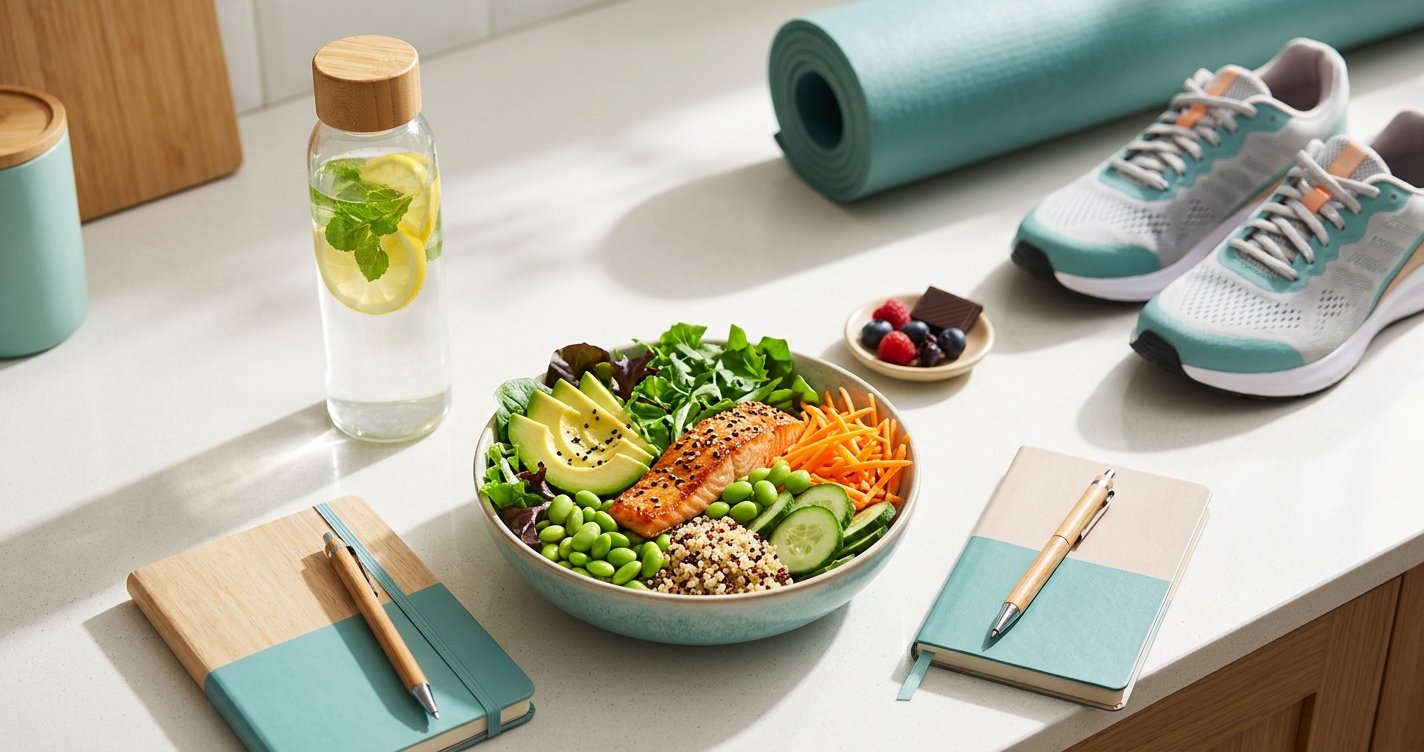
Tired of the Dieting Rollercoaster? Discover Sustainable Fat Loss!
Does the idea of a 'calorie deficit' immediately make you think of endless hunger, bland meals, and feeling utterly deprived? You're not alone. For many, the journey to fat loss is marred by restrictive diets that promise quick results but often lead to the dreaded 'yo-yo effect' – losing weight only to regain it (and often more!).
But what if we told you that achieving your fat loss goals doesn't have to mean suffering? What if you could eat delicious, satisfying foods, feel energized, and still create the necessary calorie deficit for sustainable results? It's not a fantasy; it's a science-backed approach to nourishing your body while gently guiding it towards its ideal composition. this excellent wellness product
This guide will demystify the calorie deficit, transforming it from a dreaded restriction into a powerful, sustainable tool for long-term health and fat loss. Get ready to ditch the deprivation and embrace a smarter, kinder way to transform your body!
The Foundation: What is a Calorie Deficit, Really?
At its core, fat loss boils down to one simple, undeniable principle: you must consume fewer calories than your body burns. This difference is known as a 'calorie deficit.' Think of your body like a car – it needs fuel (calories) to run. If you put in less fuel than it uses, it starts tapping into its stored reserves, which, in our case, is body fat.
Your body burns calories constantly, even at rest, for basic functions like breathing, circulation, and digestion (your Basal Metabolic Rate or BMR). On top of that, you burn calories through physical activity, from walking to intense workouts. The sum of all these energy expenditures is your Total Daily Energy Expenditure (TDEE).
To lose fat, your calorie intake needs to be consistently below your TDEE. Simple, right? In theory, yes. In practice, many people get it wrong by aiming for an extreme deficit, which leads to the very deprivation we're trying to avoid.
Why “Starving Yourself” Doesn't Work (and is Counterproductive!)
While a deficit is essential, a drastic one is a recipe for disaster. Here's why:
- Metabolic Slowdown: Your body is smart. If it senses a severe lack of energy, it goes into 'survival mode,' slowing down your metabolism to conserve resources. This makes further fat loss incredibly difficult.
- Muscle Loss: When calories are too low, your body might start breaking down precious muscle tissue for energy, not just fat. Muscle is metabolically active, meaning it burns more calories at rest. Losing muscle works against your long-term fat loss goals.
- Nutrient Deficiencies: Extreme restriction often means cutting out entire food groups, leading to a lack of essential vitamins and minerals crucial for overall health and proper bodily function.
- Unbearable Hunger & Cravings: Constant hunger is unsustainable. It leads to intense cravings, making it almost impossible to stick to your plan and often results in binge eating.
- Psychological Toll: Dieting becomes a source of stress, anxiety, and guilt, which can negatively impact your mental health and relationship with food.
The goal isn't to eat as little as possible; it's to eat smartly, creating a moderate, sustainable deficit that your body (and mind) can happily maintain.
Key Strategies for a Sustainable Calorie Deficit (Without the Hunger Pangs!)
Here’s how to create a calorie deficit that feels manageable, keeps you full, and sets you up for lasting success:
1. Prioritize Protein: Your Satiety Superstar
Protein is your best friend when it comes to fat loss. It's incredibly satiating, meaning it keeps you feeling fuller for longer, naturally reducing your urge to snack. It also has a higher 'thermic effect' than carbs or fats, meaning your body burns more calories just to digest and process protein.
- How to do it: Aim for 20-30 grams of protein at each main meal.
- Examples: Lean meats (chicken, turkey, lean beef), fish, eggs, Greek yogurt, cottage cheese, tofu, lentils, beans, protein powder.
2. Embrace Fiber-Rich Foods: The Filling Powerhouses
Like protein, fiber adds bulk to your meals without adding many calories. It slows down digestion, helps regulate blood sugar, and promotes a healthy gut, all contributing to increased fullness and reduced cravings.
- How to do it: Include plenty of fruits, vegetables, and whole grains.
- Examples: Berries, apples, broccoli, spinach, sweet potatoes, oats, quinoa, whole-wheat bread.
3. Hydration Station: Don't Forget Water!
Sometimes, what you perceive as hunger is actually thirst. Drinking enough water throughout the day can help you feel fuller, boost your metabolism slightly, and aid in digestion. Plus, it's calorie-free!
- How to do it: Aim for 8-10 glasses (2-3 liters) of water daily. Drink a glass before meals.
- Tip: Add a slice of lemon or cucumber for flavor if plain water is boring.
4. Mindful Eating: Savor Every Bite
In our fast-paced world, we often eat distractedly, missing our body's fullness cues. Mindful eating means paying attention to your food – its taste, texture, and smell – and recognizing when you're truly hungry or satisfied.
- How to do it: Eat slowly, chew thoroughly, put your fork down between bites, and avoid distractions like TV or your phone.
- Benefit: It takes about 20 minutes for your stomach to signal to your brain that it's full. Slowing down gives your body time to catch up.
5. Smart Snacking: Fuel, Don't Just Fill
Snacks aren't inherently bad, but mindless snacking can quickly derail a calorie deficit. When you do snack, make it count by choosing nutrient-dense options that provide sustained energy and satiety.
- Examples: A handful of almonds, an apple with a tablespoon of peanut butter, Greek yogurt, hard-boiled eggs, vegetable sticks with hummus.
6. Strategic Indulgences: The 80/20 Rule
No one can stick to a perfect diet 100% of the time, nor should you try! The 80/20 rule suggests eating nutrient-dense, whole foods 80% of the time, allowing for 20% flexibility for treats or less-than-perfect choices. This approach prevents feelings of deprivation and makes your plan sustainable long-term.
- How to do it: Plan for your indulgences rather than letting them be impulsive. Enjoy them in moderation.
7. Get Moving: Boost Your Burn (Without Overdoing It!)
While diet is paramount for a calorie deficit, exercise plays a vital supporting role. It increases your TDEE, helps preserve muscle mass (or even build it!), and improves your mood and overall health. You don't need to live at the gym.
- How to do it: Combine strength training (2-3 times a week) with regular cardio (walking, jogging, cycling). Aim for 7,000-10,000 steps daily.
8. Prioritize Sleep & Stress Management: Unseen Heroes
Often overlooked, sleep and stress profoundly impact your hunger hormones (ghrelin and leptin) and cortisol levels. Lack of sleep and chronic stress can increase cravings for unhealthy foods and make your body more likely to store fat, even in a calorie deficit.
- How to do it: Aim for 7-9 hours of quality sleep per night. Practice stress-reducing techniques like meditation, yoga, or spending time in nature.
Navigating Plateaus and Staying Motivated
Fat loss isn't a linear journey. You'll likely encounter plateaus where progress seems to stall. This is normal! Don't get discouraged. When this happens:
- Re-evaluate: Are you truly sticking to your deficit? Have your activity levels changed?
- Adjust: You might need to slightly reduce calories or increase activity as your body adapts and loses weight.
- Stay Patient: Consistency is key. Trust the process and keep going.
- Focus on Non-Scale Victories: Celebrate increased energy, better sleep, clothes fitting differently, or improved strength.
Your Journey to Sustainable Success
Embarking on a fat loss journey doesn't have to be a battle against your body or a constant state of hunger. By understanding the principles of a calorie deficit and applying these smart, evidence-based strategies, you can achieve your goals without feeling deprived.
Remember, this isn't about a temporary diet; it's about building sustainable habits that nourish your body, keep you satisfied, and lead to lasting health and a body you feel great in. Be kind to yourself, stay consistent, and enjoy the journey to a healthier, happier you!