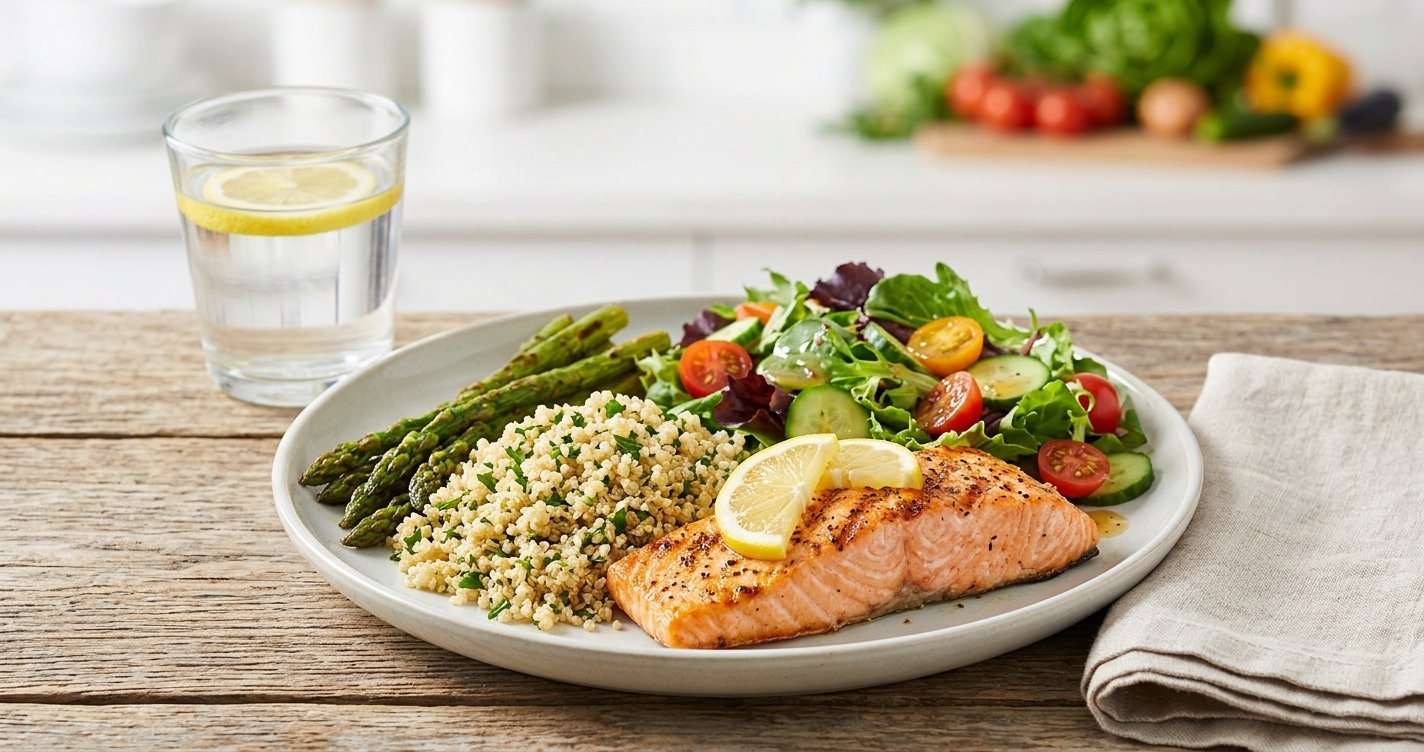
Unlock Sustainable Fat Loss: The Smart Way to Create a Calorie Deficit (Without Feeling Starved!)
Ah, the dreaded “diet.” For many, the word conjures images of endless hunger, deprivation, and a constant battle against cravings. You’ve probably been there: enthusiastically starting a new eating plan, only to find yourself counting down the minutes until your next meager meal, eventually giving in to a binge, and feeling defeated. The cycle is exhausting, and frankly, it’s not sustainable for long-term fat loss.
But what if we told you that achieving your fat loss goals doesn’t have to involve feeling constantly starved? What if you could create the necessary calorie deficit – the cornerstone of fat loss – while still feeling satisfied, energized, and enjoying your food? Good news: you absolutely can!
This isn't about magic pills or extreme restrictions. It's about understanding your body, making smarter choices, and building habits that support your goals without making you feel deprived. Ready to ditch the hunger games and embrace a truly sustainable path to a leaner, healthier you? Let's dive in!
Understanding the Calorie Deficit: Your Foundation for Fat Loss
Before we jump into the 'how,' let's quickly demystify the 'what.' At its core, fat loss boils down to a simple equation: you need to consume fewer calories than your body burns. This is known as a calorie deficit. When your body doesn't get enough energy from the food you eat, it taps into its stored energy reserves – primarily body fat – to make up the difference. This is how you lose fat.
Sounds straightforward, right? The challenge isn't the concept itself, but how to execute it in a way that’s enjoyable and sustainable. Traditional approaches often push for drastic deficits, leading to intense hunger and nutrient deficiencies. Our approach is different: we aim for a moderate, manageable deficit achieved through strategic food choices that maximize satiety, not just minimize calories.
The "No Deprivation" Playbook: Strategies for a Satisfying Calorie Deficit
Here’s where the magic happens. These strategies are designed to help you naturally reduce your calorie intake while keeping you feeling full, happy, and energized.
Prioritize Protein: Your Satiety Secret Weapon
If there's one macronutrient to prioritize for fat loss, it's protein. Protein is king when it comes to satiety. Research consistently shows that a higher protein intake helps you feel fuller for longer, reduces cravings, and even has a slightly higher thermic effect (meaning your body burns more calories digesting it).
- How it helps: Protein slows down digestion, stabilizing blood sugar levels and sending powerful signals to your brain that you're full. It also helps preserve lean muscle mass during a calorie deficit, which is crucial for maintaining a healthy metabolism.
- Smart choices: Lean meats (chicken breast, turkey, lean beef), fish (salmon, cod, tuna), eggs, Greek yogurt, cottage cheese, legumes (lentils, beans), tofu, and protein powder.
- Actionable tip: Aim to include a source of protein at every meal and snack. Start your day with eggs or Greek yogurt, add chicken to your salad, or enjoy a handful of almonds as a snack.
Embrace Fiber-Rich Foods: Fill Up Without Filling Out
Fiber is another powerhouse for feeling full. Found in plant-based foods, fiber adds bulk to your meals without adding many calories. There are two types: soluble fiber (which forms a gel in your gut, slowing digestion) and insoluble fiber (which adds bulk to stool and promotes regularity).
- How it helps: Fiber expands in your stomach, signaling fullness. It also helps regulate blood sugar, preventing energy crashes and subsequent cravings. Plus, it's fantastic for gut health!
- Smart choices: All vegetables (especially leafy greens, broccoli, cauliflower), fruits (berries, apples, pears), whole grains (oats, quinoa, brown rice), beans, and lentils.
- Actionable tip: "Eat the rainbow"! Fill half your plate with non-starchy vegetables at lunch and dinner. Swap white bread for whole-grain options, and snack on an apple instead of chips.
Hydration Nation: Don't Underestimate Water's Power
Simple, yet profoundly effective: drink more water. Often, what we perceive as hunger is actually thirst. Staying adequately hydrated is fundamental for overall health and plays a surprising role in managing your calorie intake.
- How it helps: Water can temporarily fill your stomach, reducing immediate hunger pangs. It's also vital for metabolic processes, ensuring your body functions optimally, including fat burning.
- Smart choices: Plain water, sparkling water, unsweetened tea, or water infused with fruit slices.
- Actionable tip: Keep a water bottle handy and sip throughout the day. Try drinking a large glass of water before each meal – it can significantly reduce how much you eat.
Mindful Eating: Savoring Every Bite
In our fast-paced world, eating often becomes a rushed, mindless activity. Mindful eating, however, encourages you to slow down, pay attention to your food, and listen to your body's hunger and fullness cues. This isn't about restricting; it's about connecting with your body.
- How it helps: It takes about 20 minutes for your stomach to signal to your brain that it's full. Eating slowly allows your body to register satiety, preventing overeating. It also enhances your enjoyment of food, which reduces feelings of deprivation.
- Actionable tip: Put your fork down between bites. Chew thoroughly. Turn off distractions like the TV or phone. Ask yourself: "Am I truly hungry, or am I eating out of habit/emotion?"
Smart Swaps & Portion Control: Small Changes, Big Impact
You don't have to eliminate your favorite foods entirely, but making smarter swaps and being mindful of portion sizes can drastically cut down on unnecessary calories without sacrificing satisfaction.
- How it helps: Many common foods are calorie-dense but nutrient-poor (think sugary drinks, fried foods, excessive oils). Swapping these for nutrient-dense, lower-calorie alternatives is a game-changer. Portion control ensures you enjoy your food without overdoing it.
- Smart choices: Swap soda for water or unsweetened tea. Use salsa or mustard instead of creamy dressings. Choose baked over fried. Opt for a handful of nuts instead of a bag of chips.
- Actionable tip: Use smaller plates. Measure out high-calorie ingredients like oils, nuts, and dressings. Learn what a true serving size looks like for different foods.
Strategic Snacking: Keeping Cravings at Bay
Snacking can be your friend or your foe. The key is to snack strategically, choosing options that support your calorie deficit rather than sabotaging it.
- How it helps: Smart snacks can bridge the gap between meals, preventing you from becoming ravenously hungry and overeating at your next meal. They also provide an opportunity to get in more protein and fiber.
- Smart choices: Pair protein with fiber! Greek yogurt with berries, an apple with a tablespoon of peanut butter, cottage cheese with cucumber, or a handful of almonds.
- Actionable tip: Plan your snacks in advance. Avoid mindless grazing directly from the bag/box.
Beyond the Plate: Lifestyle Factors Supporting Your Journey
While nutrition is paramount, other aspects of your lifestyle play a significant role in your ability to manage hunger and achieve sustainable fat loss.
Sleep Your Way to Success
Lack of sleep can wreak havoc on your hunger hormones. When you're sleep-deprived, your body produces more ghrelin (the hunger hormone) and less leptin (the satiety hormone), making you feel hungrier and less satisfied, even after eating. It also impacts your ability to make good food choices.
- Actionable tip: Aim for 7-9 hours of quality sleep per night. Establish a consistent sleep schedule, create a relaxing bedtime routine, and limit screen time before bed.
Move Your Body, Boost Your Mood (and Burn a Few Calories!)
While you can't out-exercise a poor diet, increasing your physical activity certainly helps in creating a calorie deficit and makes you feel great. Exercise also reduces stress, which can be a trigger for emotional eating.
- Actionable tip: Find activities you enjoy! Whether it's walking, dancing, cycling, or strength training, consistent movement adds up. Even small increases in non-exercise activity (taking the stairs, parking further away) contribute to your daily calorie burn.
Troubleshooting & Staying on Track
Fat loss is a journey, not a destination, and there will be bumps along the way. Don't seek perfection; aim for consistency and flexibility.
- Listen to your body: Some days you'll be hungrier than others. Learn to distinguish between true hunger and emotional cravings.
- Be patient: Sustainable fat loss is gradual. Celebrate small victories and don't get discouraged by slow progress.
- Track for awareness (optional): Temporarily tracking your food intake can be incredibly insightful for understanding your typical calorie and macronutrient consumption. It's a tool for awareness, not a life sentence.
- Practice self-compassion: If you have an off day or a less-than-ideal meal, don't beat yourself up. Acknowledge it, learn from it, and get back on track with your next meal.
Embrace a Fuller, Leaner Future!
Creating a calorie deficit for fat loss doesn't have to mean enduring constant hunger and feeling deprived. By strategically prioritizing protein and fiber, staying hydrated, practicing mindful eating, and making smart lifestyle choices, you can achieve your fat loss goals while still enjoying delicious food and feeling completely satisfied.
This approach isn't just about losing weight; it's about building a healthier, more sustainable relationship with food and your body. Start implementing these strategies today, and you’ll be well on your way to unlocking sustainable fat loss and feeling your best, without ever having to starve yourself again. You've got this!