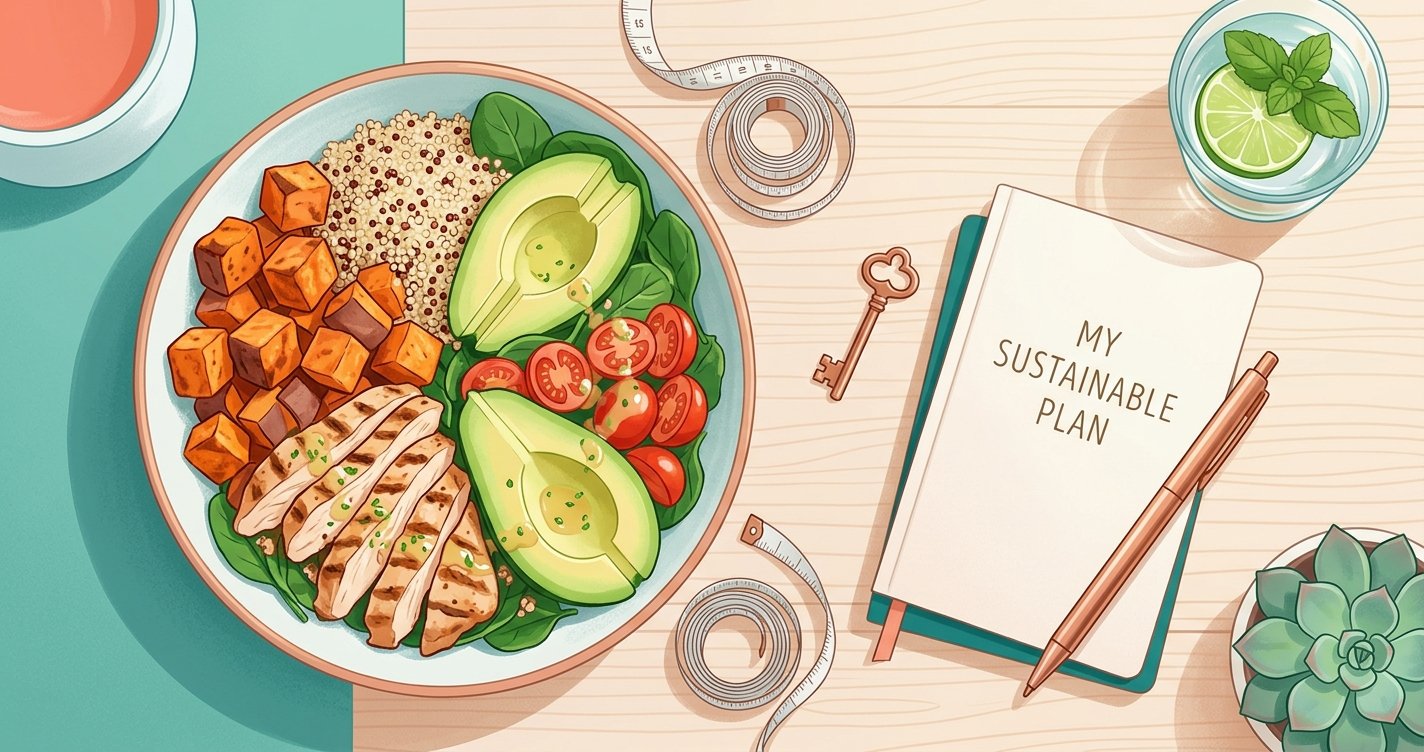
Unlock Sustainable Fat Loss: How to Create a Calorie Deficit Without Feeling Deprived
We've all been there: determined to shed some pounds, we embark on a super strict diet, only to find ourselves miserable, hungry, and eventually, giving in to cravings. The cycle of deprivation and rebound is disheartening, frustrating, and ultimately, unsustainable. But what if there was another way? A path to genuine, lasting fat loss that doesn't involve constant hunger pangs or feeling like you're missing out on life?
Good news! There is. The secret lies in mastering the calorie deficit – not through extreme restriction, but through smart, sustainable strategies that nourish your body and satisfy your mind. This comprehensive guide will show you how to create a calorie deficit effectively, without the soul-crushing deprivation that so often derails our efforts. this excellent wellness product
What Exactly is a Calorie Deficit?
At its core, fat loss boils down to a simple principle: you must consume fewer calories than your body burns. This state is known as a calorie deficit. When your body doesn't get enough energy from the food you eat, it taps into its stored energy reserves – primarily fat – to make up the difference. Voila! Fat loss.
However, the how of achieving this deficit is where many go wrong. A drastic calorie cut might lead to initial weight loss, but it often triggers survival mechanisms in your body, slowing metabolism, increasing hunger hormones, and leaving you feeling lethargic and irritable. This isn't just unpleasant; it's counterproductive for long-term success.
Why Deprivation Doesn't Work (and What Does!)
When you deprive yourself, your body (and mind) often rebel. Constant hunger leads to obsessive thoughts about food, making social situations awkward, and often culminating in overwhelming cravings and binge eating. This isn't a lack of willpower; it's a natural physiological and psychological response to extreme restriction.
Sustainable fat loss, on the other hand, is about creating a moderate, manageable calorie deficit that you can stick with over time. It's about making smart food choices that keep you feeling full and satisfied, optimizing your metabolism, and integrating movement into your daily life without feeling like you're punishing yourself. It’s a marathon, not a sprint, and building healthy habits is key.
Key Strategies for a Sustainable Calorie Deficit
Here’s how to build a calorie deficit that supports your well-being and helps you reach your fat loss goals without feeling deprived:
Prioritize Protein: Your Satiety Superstar
Protein is your best friend when it comes to fat loss. It's the most satiating macronutrient, meaning it keeps you feeling fuller for longer, reducing the urge to snack unnecessarily. Furthermore, protein has a higher thermic effect of food (TEF) than carbs or fats, meaning your body burns more calories digesting it. It also helps preserve lean muscle mass, which is crucial for a healthy metabolism, especially when you're in a deficit.
- Aim for: 25-35 grams of protein per meal.
- Sources: Lean meats (chicken, turkey, lean beef), fish, eggs, Greek yogurt, cottage cheese, tofu, lentils, beans, protein powder.
Embrace Fiber-Rich Foods: The Filling Powerhouse
Fiber is another champion of satiety. Found in fruits, vegetables, whole grains, and legumes, fiber adds bulk to your meals without adding many calories. It slows down digestion, helping to stabilize blood sugar levels and prevent those dreaded energy crashes that often lead to cravings. Plus, a fiber-rich diet supports gut health, which is increasingly linked to metabolic well-being.
- Aim for: 25-30 grams of fiber per day.
- Sources: Berries, apples, broccoli, spinach, sweet potatoes, oats, quinoa, chia seeds, flaxseeds, various beans and lentils.
Hydration is Key: Don't Mistake Thirst for Hunger
Sometimes, what feels like hunger is actually just thirst. Our bodies can confuse these signals. Drinking plenty of water throughout the day can help manage appetite, boost metabolism slightly, and improve overall bodily functions. Try having a glass of water before each meal; it can help you feel fuller and potentially eat less.
- Aim for: At least 8 glasses (about 2 liters) of water daily, more if you're active.
- Tip: Keep a water bottle handy and sip throughout the day. Add lemon or cucumber for flavor.
Mindful Eating: Savor Every Bite
In our fast-paced world, it's easy to rush through meals, barely noticing what we've eaten until it's gone. Mindful eating involves paying full attention to your food – its smell, taste, texture, and how your body responds. Eating slowly allows your body time to register fullness signals, preventing overeating. It also helps you differentiate between physical hunger and emotional eating.
- Practice: Put your fork down between bites, chew thoroughly, minimize distractions (turn off the TV/phone).
- Reflect: Ask yourself if you're truly hungry or eating out of boredom, stress, or habit.
Strategic Meal Planning & Preparation
Failing to plan is planning to fail. When you have healthy, pre-portioned meals and snacks ready to go, you're far less likely to succumb to convenient, high-calorie, low-nutrient options when hunger strikes. Meal prepping ensures you’re consistently making choices that align with your calorie deficit goals.
- Plan: Dedicate time each week to plan your meals and grocery list.
- Prep: Cook in bulk, portion out meals, and prepare healthy snacks like chopped veggies or hard-boiled eggs.
Smart Snacking: Fueling Your Body, Not Just Your Cravings
Snacks can be a valuable tool for managing hunger between meals, but they need to be strategic. Opt for nutrient-dense snacks that provide protein and fiber, rather than empty calories. This keeps your energy levels stable and prevents you from arriving at your next meal ravenous.
- Examples: A handful of almonds, Greek yogurt with berries, apple slices with peanut butter, cottage cheese, or a small protein shake.
Move Your Body: The Calorie Burn Bonus
While diet is paramount for a calorie deficit, increasing your physical activity can significantly contribute by burning more calories. Incorporate a mix of strength training and cardiovascular exercise. Strength training builds muscle, which boosts your resting metabolism, while cardio directly burns calories.
- Aim for: 3-4 days of strength training, and 150-300 minutes of moderate-intensity cardio per week.
- Don't forget NEAT: Non-Exercise Activity Thermogenesis (NEAT) – simple things like walking more, taking the stairs, or fidgeting – can add up to a substantial calorie burn over time.
Optimize Sleep & Manage Stress
Often overlooked, sleep and stress play a critical role in fat loss. Poor sleep can disrupt hormones that regulate appetite (ghrelin and leptin), leading to increased hunger and cravings, especially for high-carb, high-fat foods. Chronic stress elevates cortisol levels, which can promote fat storage, particularly around the abdomen.
- Sleep: Aim for 7-9 hours of quality sleep per night. Establish a consistent sleep schedule.
- Stress: Practice stress-reducing techniques like meditation, yoga, deep breathing, or spending time in nature.
Putting It All Together: Your Action Plan
Creating a sustainable calorie deficit isn't about perfection; it's about consistency and making small, manageable changes that add up over time. Don't try to overhaul everything at once. Start with one or two strategies that feel most achievable for you, master them, and then gradually layer in more.
Remember to listen to your body, be patient, and celebrate your progress, no matter how small. Sustainable fat loss is a journey of self-discovery and building a healthier relationship with food and your body.
Conclusion
Achieving fat loss without the misery of deprivation is entirely possible. By focusing on nutrient-dense foods, prioritizing protein and fiber, staying hydrated, practicing mindful eating, planning your meals, and incorporating smart movement and stress management, you can create a calorie deficit that feels nourishing, not punishing.
Embrace these evidence-based strategies, and you'll not only shed unwanted fat but also cultivate a healthier, happier, and more sustainable lifestyle for the long run. Say goodbye to deprivation and hello to a vibrant, energetic you!