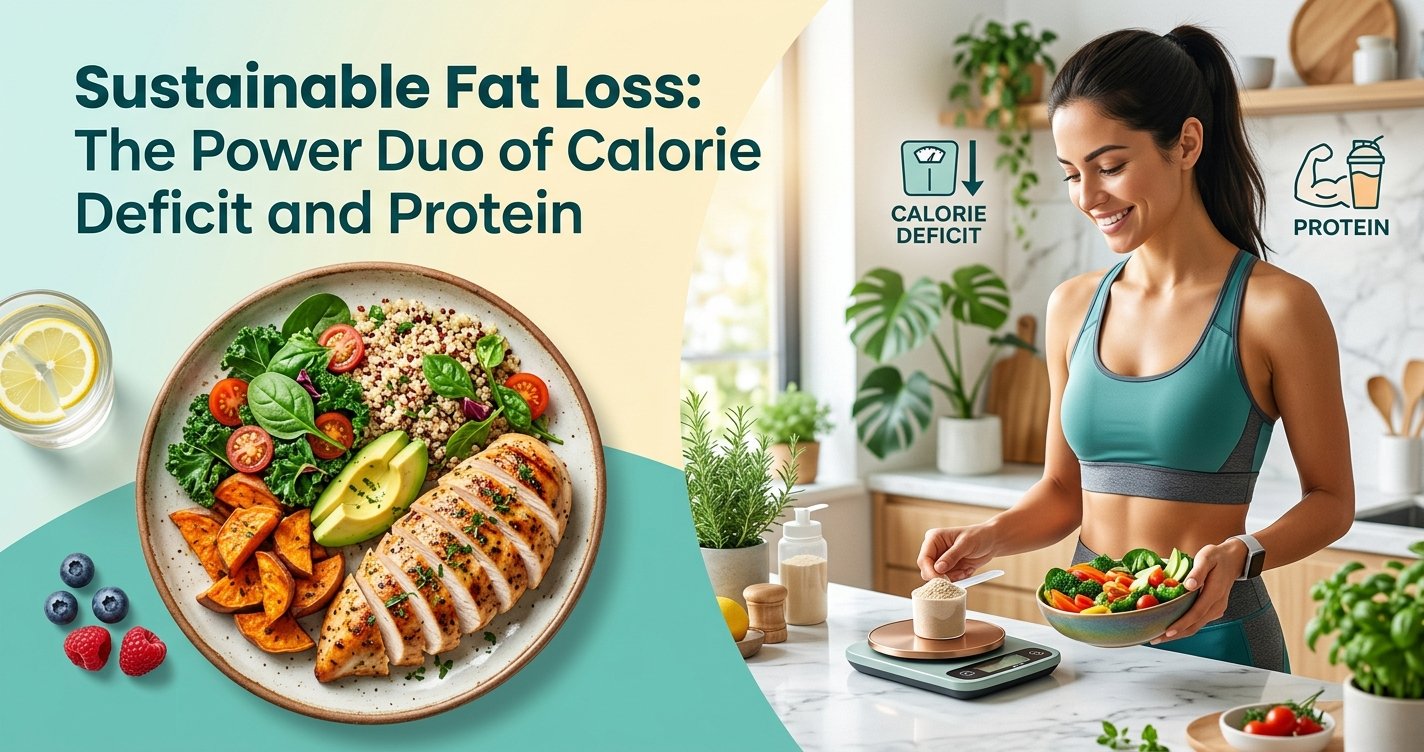
Tired of Diet Fads? Discover Real, Sustainable Fat Loss!
Hey there, future you! If you're reading this, chances are you've been on the fat loss rollercoaster – the one with dizzying highs of rapid weight loss followed by the inevitable plunge back to square one. You've probably tried every diet under the sun, from the extreme to the just plain bizarre, only to feel frustrated and defeated. Well, take a deep breath, because today we're going to cut through the noise and get down to the scientific, sustainable truth about effective fat loss.
Forget the magic pills, the restrictive cleanses, and the endless hours of cardio. We're going to focus on two fundamental, evidence-based pillars that are absolutely crucial for shedding fat and keeping it off: a smart calorie deficit and the incredible power of protein. These aren't flashy, but they are incredibly effective, and most importantly, they're sustainable. Let's dive in and empower you with the knowledge to transform your body and health for good! this excellent wellness product
The Unshakeable Truth: Calorie Deficit is King (But How to Do It Right?)
At its core, fat loss boils down to one simple principle: you need to consume fewer calories than your body burns. This is known as creating a calorie deficit. Your body, being the clever energy manager it is, will then tap into its stored fat reserves to make up the difference. Sounds simple, right? It is, but the 'how' is where many people get tripped up.
What Exactly is a Calorie Deficit?
Imagine your body is a car. Calories are its fuel. If you put less fuel in than it needs to drive, it starts to use up the fuel already in the tank (your body fat). Your Total Daily Energy Expenditure (TDEE) is the total number of calories your body burns in a day, including basal metabolic rate (BMR), physical activity, and the thermic effect of food. To lose fat, you need to consistently eat below your TDEE.
Why Crash Diets Fail (and How to Avoid Them)
The biggest mistake people make is creating too large a calorie deficit too quickly. While it might lead to rapid initial weight loss, this approach is often unsustainable and detrimental to your metabolism and muscle mass. Crash diets:
- Lead to severe hunger and cravings, making adherence almost impossible.
- Can cause loss of precious muscle mass, which slows your metabolism.
- Deplete energy levels, making exercise difficult.
- Are often nutritionally deficient, impacting overall health.
Instead, aim for a moderate deficit of 300-500 calories below your TDEE. This allows for steady, sustainable fat loss (typically 1-2 pounds per week) while preserving muscle and energy levels.
Finding Your Sweet Spot: Calculating Your Needs (Without Getting Obsessive)
There are many online calculators that can estimate your TDEE. You input your age, gender, weight, height, and activity level. Start with this estimate, then subtract 300-500 calories. Track your food intake for a week or two, and monitor your weight. If you're losing 1-2 pounds per week, you've found your sweet spot! If not, adjust your calorie intake slightly. Remember, these are estimates, and your body is unique. The goal is to be aware, not to obsess over every single calorie.
Protein Power: Your Secret Weapon for Fat Loss
While a calorie deficit sets the stage, protein is the star of the show when it comes to optimizing fat loss. It's not just for bodybuilders; it's a non-negotiable nutrient for anyone looking to shed fat and sculpt a healthier body.
Why Protein Matters So Much for Fat Loss
Protein supports fat loss in several powerful ways:
- Satiety: Protein is incredibly filling. Eating enough protein helps you feel fuller for longer, reducing cravings and making it easier to stick to your calorie deficit. No more constant hunger pangs!
- Muscle Preservation: When you're in a calorie deficit, your body can sometimes break down muscle for energy along with fat. Adequate protein intake, especially when combined with strength training, helps signal your body to hold onto that valuable muscle mass. More muscle means a higher resting metabolism.
- Thermic Effect of Food (TEF): Protein has a higher TEF than carbs or fats. This means your body expends more calories digesting and metabolizing protein. It's a small but significant boost to your daily calorie burn.
How Much Protein Do You Really Need? (Evidence-Based Recommendations)
For optimal fat loss and muscle preservation, aim for a higher protein intake than the general dietary guidelines. A good target for active individuals and those looking to lose fat is 0.7 to 1 gram of protein per pound of body weight (or ideal body weight) per day. For example, if you weigh 150 pounds, aim for 105-150 grams of protein daily.
Smart Ways to Boost Your Protein Intake
Incorporating more protein into your diet doesn't have to be bland or complicated. Here are some delicious and practical tips:
- Prioritize Protein at Every Meal: Make lean protein the centerpiece of your breakfast, lunch, and dinner. Think eggs, Greek yogurt, chicken breast, fish, lean beef, tofu, lentils, or beans.
- Snack Smart: Instead of chips or cookies, opt for protein-rich snacks like cottage cheese, a handful of almonds, a protein shake, or hard-boiled eggs.
- Don't Forget Plant-Based Sources: Lentils, chickpeas, black beans, quinoa, edamame, and tempeh are excellent sources of plant protein that also provide fiber.
- Consider Protein Supplements: A whey, casein, or plant-based protein powder can be a convenient way to hit your daily protein targets, especially post-workout or as a quick snack.
Beyond Calories and Protein: Other Pillars of Sustainable Fat Loss
While calorie deficit and protein are foundational, true sustainable fat loss is a holistic endeavor. Don't overlook these other crucial components:
The Importance of Fiber and Whole Foods
Fiber-rich foods (fruits, vegetables, whole grains) are your allies. They contribute to satiety, aid digestion, and provide essential vitamins and minerals. Focus on nutrient-dense, whole foods over processed options to maximize your nutritional intake within your calorie budget.
Hydration: An Underrated Player
Drinking plenty of water is vital. It helps with satiety, metabolism, nutrient transport, and overall bodily functions. Sometimes, thirst can be mistaken for hunger, leading to unnecessary snacking. Aim for at least 8 glasses of water a day, more if you're active.
Mindful Eating: Listening to Your Body
Slow down, savor your food, and pay attention to your body's hunger and fullness cues. Mindful eating helps you enjoy your meals more and prevents overeating, fostering a healthier relationship with food.
Putting It All Together: Practical Strategies for Success
Knowledge is power, but application is key! Here's how to integrate these principles into your daily life without feeling overwhelmed.
Meal Planning Made Easy
Dedicate a little time each week to plan your meals. This removes guesswork, reduces impulsive unhealthy choices, and ensures you have protein-rich, calorie-controlled meals ready to go. Simple meal prep can be a game-changer!
Tracking Without Obsession (Tools and Mindset)
Briefly tracking your food intake (using apps like MyFitnessPal or Cronometer) can be incredibly insightful, especially when you're starting out. It helps you understand portion sizes and where your calories and macros are coming from. The goal isn't lifelong tracking, but to build awareness and healthy habits.
Consistency Over Perfection
Fat loss is a journey, not a sprint. There will be days when you go over your calories or miss a workout. That's okay! Don't let one 'off' day derail your entire progress. Get back on track with your next meal or workout. Consistency in your overall efforts will always trump sporadic perfection.
Busting Common Myths and Misconceptions
Let's quickly clear up some common myths that often hinder fat loss progress:
- Myth: Carbs Make You Fat. The truth is, excess calories make you fat, regardless of whether they come from carbs, fats, or protein. Complex carbohydrates (whole grains, fruits, vegetables) are vital for energy and fiber.
- Myth: You Need to Cut Out All Your Favorite Foods. Extreme restriction often leads to binging. A sustainable approach allows for occasional treats in moderation, fitting them into your calorie budget. The 80/20 rule (80% whole foods, 20% treats) works well for many.
- Myth: Rapid Fat Loss is Sustainable. While it's tempting, very fast fat loss is often accompanied by muscle loss and metabolic slowdown. Aim for a steady, healthy pace to ensure long-term success and maintain your results.
Your Sustainable Fat Loss Journey Starts Now!
You now have the fundamental tools to embark on a truly sustainable fat loss journey. Remember, it's not about deprivation; it's about smart choices, consistency, and understanding how your body works. By prioritizing a moderate calorie deficit and ample protein, you're not just losing weight; you're building a stronger, healthier, and more vibrant you.
Be patient with yourself, celebrate small victories, and focus on progress, not perfection. This isn't just a diet; it's a lifestyle shift that will empower you for years to come. You got this!