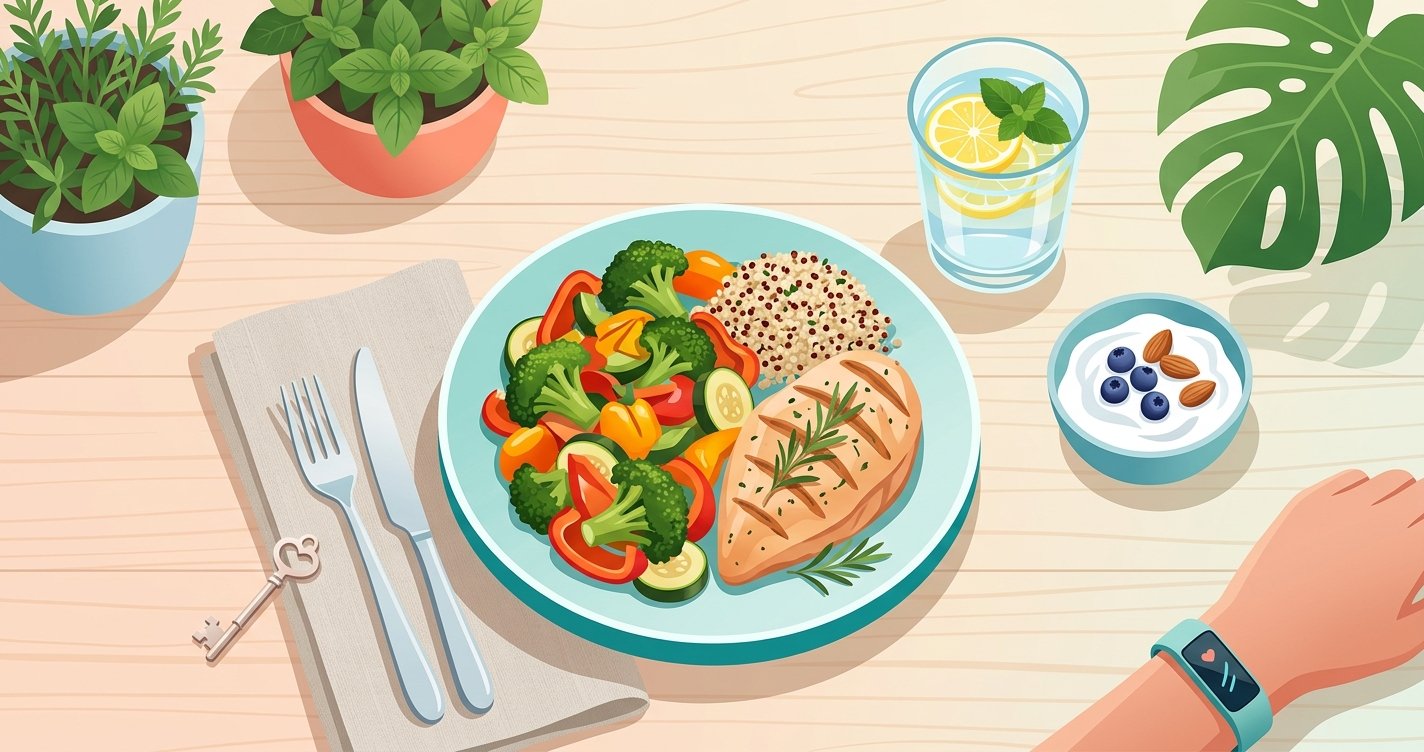
Embarking on a fat loss journey can feel overwhelming, with countless diets and conflicting advice flooding your social media feed. But what if we told you that at the heart of effective, sustainable fat loss lies two incredibly powerful, evidence-based principles? We're talking about the dynamic duo: a calorie deficit and adequate protein intake. Forget the fads and restrictive rules; understanding and mastering these two pillars will not only help you shed unwanted fat but also build a healthier, stronger you for the long term. Let's dive into the science, demystify the myths, and empower you with practical strategies to achieve your fat loss goals in a friendly, sustainable way.
Understanding the Calorie Deficit: Your Fat Loss Foundation
At its core, fat loss boils down to a simple energy balance equation: you must consume fewer calories than your body burns. This is known as creating a 'calorie deficit.' Think of your body as a car and calories as fuel. If you put in less fuel than the car needs to run, it will eventually start using reserves – in this case, stored body fat – for energy. It’s a fundamental physiological truth, and no amount of 'superfoods' or 'detox teas' can bypass it. this excellent wellness product
How to Calculate and Create a Sustainable Deficit
To create a calorie deficit, you first need an estimate of your Total Daily Energy Expenditure (TDEE) – the total number of calories your body burns in a day through basic metabolic functions, physical activity, and food digestion. Online calculators can provide a good starting point, but remember they are estimates. Once you have your TDEE, aim to consume 250-500 fewer calories than that number. Why this range?
- 250-500 Calorie Deficit: This creates a moderate deficit that allows for steady, sustainable fat loss (typically 0.5-1 pound per week) without causing extreme hunger, nutrient deficiencies, or significant drops in energy levels. It’s a marathon, not a sprint!
- Avoid Extreme Deficits: Cutting calories too drastically (e.g., more than 500-750 below your TDEE) can backfire. It can lead to muscle loss, nutrient deficiencies, fatigue, irritability, and may even slow down your metabolism in the long run, making future fat loss harder. Plus, it's simply not sustainable and often leads to rebound weight gain.
The goal is to find a deficit that you can comfortably maintain over time, allowing your body to adapt and shed fat gradually.
The Mighty Macro: Why Protein is Your Best Friend for Fat Loss
While a calorie deficit is the engine of fat loss, protein is the turbocharger. This macronutrient plays a uniquely critical role that sets it apart from carbohydrates and fats when you’re trying to lose weight. Here's why:
- Satiety Powerhouse: Protein is renowned for its ability to keep you feeling fuller for longer. Compared to carbs and fats, protein has the highest satiety rating, meaning it sends stronger signals to your brain that you're satisfied, reducing overall calorie intake naturally.
- Higher Thermic Effect of Food (TEF): Your body uses energy to digest, absorb, and metabolize food. This is known as the Thermic Effect of Food (TEF). Protein has a significantly higher TEF than carbohydrates and fats. Roughly 20-30% of the calories from protein are burned during digestion, compared to 5-10% for carbs and 0-3% for fats. Eating more protein literally burns more calories!
- Muscle Preservation: When you're in a calorie deficit, your body can sometimes break down muscle tissue for energy, alongside fat. This is undesirable because muscle is metabolically active, burning more calories at rest than fat. Adequate protein intake helps signal your body to preserve precious muscle mass, ensuring that the weight you lose is primarily fat, not muscle.
How Much Protein Do You Need?
For optimal fat loss and muscle preservation, current evidence suggests a higher protein intake than the standard recommended daily allowance. Aim for 1.6 to 2.2 grams of protein per kilogram of body weight (or 0.7 to 1 gram per pound of body weight) per day. For example, a 70kg (154lb) individual would aim for 112-154 grams of protein daily. Distribute this intake across your meals for consistent benefits.
Practical Strategies for Achieving Your Calorie Deficit
Knowing about the calorie deficit is one thing; consistently achieving it is another. Here are practical steps to make it easier:
- Track Your Intake (Initially): For a few days or weeks, use a food tracking app (like MyFitnessPal or Cronometer) to log everything you eat and drink. This isn't about long-term obsession but rather gaining awareness. You'll be surprised at hidden calories in sauces, drinks, or snacks. This insight is invaluable for identifying areas to adjust.
- Prioritize Whole, Unprocessed Foods: Foods like lean meats, fish, eggs, fruits, vegetables, and whole grains are generally lower in calories and higher in nutrients and fiber compared to highly processed alternatives. They also promote greater satiety.
- Portion Control: Even healthy foods can contribute to a calorie surplus if consumed in large quantities. Use measuring cups, a food scale, or visual cues (e.g., a deck of cards for protein, your fist for starches) to manage portion sizes, especially for calorie-dense foods like nuts, oils, and grains.
- Stay Hydrated: Often, thirst can be mistaken for hunger. Drinking plenty of water throughout the day can help manage appetite and reduce unnecessary snacking. Aim for 2-3 liters daily.
- Mindful Eating: Slow down, savor your food, and pay attention to your body's hunger and fullness cues. Eating mindfully can prevent overeating and help you appreciate your meals more.
Integrating Protein into Every Meal
Making protein a priority doesn't have to be complicated. Here are simple ways to boost your intake throughout the day:
Breakfast Boosters:
- Scrambled eggs or an omelet with veggies.
- Greek yogurt with berries and a sprinkle of nuts.
- Protein powder added to smoothies or oatmeal.
- Cottage cheese with fruit.
Lunch & Dinner Power-Ups:
- Lean chicken breast, turkey, fish, or tofu as the main protein source.
- Add legumes (lentils, beans) to salads, soups, or stews.
- Include a side of edamame or a hard-boiled egg.
- Opt for protein-rich pasta or quinoa.
Smart Snacking:
- A handful of almonds or walnuts.
- Beef jerky or biltong (check for low sugar).
- A protein bar (choose wisely, check sugar content).
- Hard-boiled eggs.
- A small portion of cottage cheese.
Beyond Calories & Protein: The Holistic Approach to Fat Loss
While calorie deficit and protein are foundational, sustainable fat loss is also a holistic endeavor. Don't overlook these crucial elements:
Don't Forget Strength Training:
Incorporating resistance training 2-3 times a week is incredibly beneficial. It helps build and preserve muscle mass, which boosts your metabolism and gives your body a more toned appearance as you lose fat. It's truly a game-changer for body composition.
Prioritize Sleep:
Lack of sleep can disrupt hunger-regulating hormones (ghrelin and leptin), making you hungrier and more prone to cravings. Aim for 7-9 hours of quality sleep per night to support your body's recovery and metabolic functions.
Manage Stress Effectively:
Chronic stress can elevate cortisol levels, which can promote fat storage, especially around the belly. Find healthy ways to manage stress, whether it's meditation, yoga, spending time in nature, or engaging in hobbies you love.
Common Pitfalls to Avoid on Your Fat Loss Journey
Even with the right knowledge, it's easy to stumble. Be mindful of these common traps:
- Extreme Restriction: As discussed, crash dieting is unsustainable and often leads to rebound weight gain and a damaged relationship with food. Consistency over perfection is key.
- Ignoring Hunger Cues: While a deficit is necessary, ignoring genuine hunger for prolonged periods can lead to binge eating. Listen to your body and fuel it appropriately with nutrient-dense, protein-rich foods.
- Over-relying on Cardio: While cardio is great for cardiovascular health, it's not the most efficient tool for preserving muscle during fat loss. Combine it with strength training for optimal results.
- Lack of Consistency: Fat loss isn't linear. There will be days you slip up, or weeks where the scale doesn't budge. The most important thing is to get back on track and stay consistent with your efforts over time. Patience is a virtue here.
Your Sustainable Path Forward
Fat loss doesn't have to be a battle against your body. By understanding and implementing the principles of a sustainable calorie deficit and prioritizing protein intake, you're not just losing weight; you're building a foundation for long-term health, vitality, and a positive relationship with food. Remember, this is your unique journey. Be patient with yourself, celebrate small victories, and focus on building habits that serve your body and mind. You've got this!