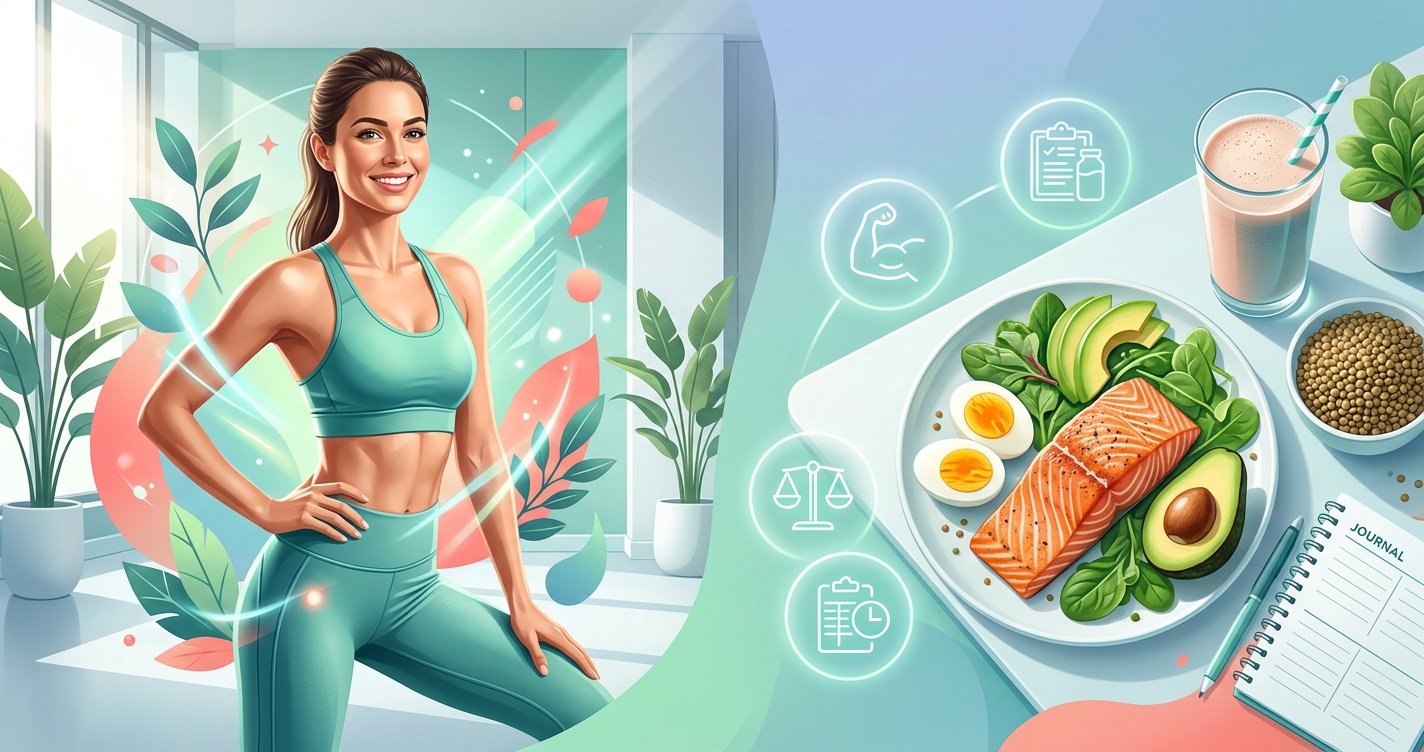
Unlock Sustainable Fat Loss: Your Ultimate Guide to Mastering Calorie Deficit & Protein Power
Are you tired of the endless cycle of fad diets, quick fixes, and the frustration of losing weight only to gain it back? You're not alone. The world of fat loss can feel overwhelming, filled with conflicting advice and complicated rules. But what if we told you that the secret to sustainable, long-term fat loss isn't a magic pill or a restrictive cleanse, but rather a clear understanding of two fundamental, evidence-backed principles: mastering the calorie deficit and harnessing the power of protein?
This comprehensive guide is designed to cut through the noise, offering you a friendly, evidence-based, and encouraging roadmap to achieving your fat loss goals. We'll demystify the science, provide practical strategies, and empower you to build habits that truly last. Get ready to transform your body and your relationship with food, for good! this excellent wellness product
The Unshakeable Truth: Calorie Deficit is King (But How to Do It Right?)
Let's get straight to the core of fat loss: it all boils down to energy balance. To lose fat, you must consume fewer calories than your body expends. This is known as a calorie deficit. There's no way around it – no special food, no 'clean eating' trend, no amount of exercise alone will result in fat loss if you're not in a deficit. Understanding this fundamental principle is your first step towards lasting success.
What Exactly is a Calorie Deficit?
Imagine your body as a car. Calories are its fuel. If you put in more fuel than the car uses, the excess is stored (as fat in humans). If you put in less fuel than it uses, the car has to tap into its reserves (stored fat) to keep running. That's a calorie deficit in action. It's not about starvation; it's about intelligent energy management.
Finding Your Magic Number: Estimating TDEE and Setting Your Deficit
Before you can create a deficit, you need to know roughly how many calories your body burns in a day. This is your Total Daily Energy Expenditure (TDEE). It includes your Basal Metabolic Rate (BMR – calories burned at rest), the energy used for physical activity, and the thermic effect of food (TEF – calories burned digesting food).
- Use an Online TDEE Calculator: These tools (easily found with a quick search) take into account your age, gender, weight, height, and activity level to provide an estimate.
- Set a Moderate Deficit: Once you have your TDEE, aim for a deficit of 300-500 calories per day. This typically results in a healthy, sustainable fat loss of 0.5-1 pound per week. For example, if your TDEE is 2200 calories, aim for 1700-1900 calories daily.
- Track Your Intake (Initially): For the first few weeks, consider using a food tracking app to accurately log what you eat. This helps you understand portion sizes and the caloric density of foods. It's a learning tool, not necessarily a lifelong commitment.
The Pitfalls of Too Much Too Soon: Why Extreme Deficits Backfire
While a deficit is crucial, a severe one (e.g., eating only 1000 calories when your body needs 2000) can be detrimental. Extreme deficits often lead to:
- Muscle Loss: Your body might start breaking down muscle for energy, which is counterproductive as muscle burns more calories at rest than fat.
- Nutrient Deficiencies: It becomes harder to get all essential vitamins and minerals.
- Metabolic Adaptation: Your metabolism can slow down to conserve energy, making further fat loss harder.
- Unbearable Hunger & Cravings: Leading to rebound overeating and a feeling of failure.
- Hormonal Imbalances: Affecting mood, sleep, and overall well-being.
Patience and consistency with a moderate deficit are far more effective than aggressive, short-term approaches.
Protein: Your Secret Weapon for Fat Loss (and Muscle Preservation)
If the calorie deficit is the engine of fat loss, protein is the premium fuel that keeps everything running smoothly and efficiently. It's not just for bodybuilders; protein is absolutely essential for anyone looking to lose fat sustainably and improve body composition.
Why Protein is Non-Negotiable
Protein plays several critical roles in your fat loss journey:
- Satiety Powerhouse: Protein is the most satiating macronutrient. It helps you feel fuller for longer, reducing overall calorie intake and curbing cravings.
- Muscle Preservation: When you're in a calorie deficit, your body might try to break down muscle tissue for energy. A high protein intake signals to your body to preserve muscle, ensuring that the weight you lose is primarily fat.
- Higher Thermic Effect of Food (TEF): Your body expends more energy digesting and metabolizing protein compared to carbohydrates and fats. This means you burn a few extra calories just by eating protein-rich foods.
- Repairs & Builds: Protein is the building block for nearly everything in your body, from muscles to hormones, supporting overall health and recovery from exercise.
How Much Protein Do You Really Need? (Practical Guidelines)
While individual needs vary, a good starting point for fat loss is to aim for 0.7 to 1 gram of protein per pound of your target body weight (or current body weight if you're significantly overweight). For example, if your target weight is 150 pounds, aim for 105-150 grams of protein per day.
- Spread It Out: Try to distribute your protein intake evenly across all your meals and snacks to maximize satiety and muscle protein synthesis. Aim for 20-40 grams per meal.
- Prioritize Lean Sources: Focus on lean meats, poultry, fish, eggs, dairy, and plant-based proteins.
Top Protein Sources to Fuel Your Journey
- Animal Sources: Chicken breast, turkey, lean beef, salmon, cod, tuna, eggs, Greek yogurt, cottage cheese, whey protein powder.
- Plant-Based Sources: Lentils, chickpeas, black beans, tofu, tempeh, edamame, quinoa, protein-rich plant milks, pea protein powder.
Beyond Calories and Protein: Other Nutritional Pillars
While calorie deficit and protein are paramount, a holistic approach to nutrition ensures you're getting all the necessary nutrients for health, energy, and sustained fat loss.
The Role of Healthy Fats
Fats often get a bad rap, but healthy fats are crucial for hormone production, nutrient absorption, and satiety. Include sources like avocados, nuts, seeds, olive oil, and fatty fish (like salmon) in moderation. They are calorie-dense, so be mindful of portion sizes, but don't cut them out!
Smart Carbohydrate Choices
Carbohydrates are your body's primary energy source. Focus on complex carbohydrates that are rich in fiber and provide sustained energy without sharp blood sugar spikes. Examples include whole grains (oats, brown rice, whole wheat bread), fruits, and vegetables. Limit refined sugars and processed carbs, which offer little nutritional value and can hinder fat loss.
Fiber: Your Satiety Sidekick
Fiber-rich foods (fruits, vegetables, whole grains, legumes) are your allies in a calorie deficit. They add bulk to your meals, helping you feel full and satisfied without adding many calories. Fiber also aids digestion and promotes gut health.
Practical Strategies for Sustainable Success
Knowledge is power, but application is what truly drives results. Here are actionable tips to integrate these principles into your daily life.
Meal Planning and Preparation: Your Best Friends
- Plan Ahead: Dedicate some time each week to plan your meals and snacks. This reduces impulsive, unhealthy choices.
- Batch Cook: Prepare larger quantities of healthy meals (e.g., grilled chicken, roasted vegetables, cooked quinoa) that you can portion out for several days.
- Smart Snacking: Keep protein-rich, convenient snacks on hand like Greek yogurt, hard-boiled eggs, a handful of almonds, or pre-cut veggies with hummus.
Mindful Eating: Connecting with Your Body
Instead of just eating, practice mindful eating. Pay attention to your hunger and fullness cues. Eat slowly, savor your food, and put down your fork between bites. This helps you recognize when you're truly satisfied, preventing overeating.
Tracking Progress (Beyond the Scale)
The scale is just one metric. Also consider:
- Measurements: Track waist, hip, and other body measurements.
- Progress Photos: Visual changes can be incredibly motivating.
- How Your Clothes Fit: Often a better indicator of fat loss than the scale.
- Energy Levels & Mood: Notice improvements in your overall well-being.
Remember, fat loss isn't linear. Fluctuations are normal. Stay consistent and focus on the long game.
Common Pitfalls and How to Avoid Them
Even with the best intentions, it's easy to stumble. Being aware of common obstacles can help you navigate them effectively.
The All-or-Nothing Mentality
One slip-up doesn't ruin your progress. If you have an off-plan meal, acknowledge it, learn from it, and get right back on track with your next meal. Consistency over perfection is key.
Ignoring Hunger Cues
While a deficit means some hunger, persistent, gnawing hunger is a sign your deficit might be too aggressive or your food choices aren't satiating enough. Adjust your calories slightly or prioritize more protein and fiber.
Over-reliance on Supplements
Supplements can be helpful (like protein powder if you struggle to meet your protein goals), but they are called 'supplements' for a reason – they supplement a solid nutritional foundation, they don't replace it. Focus on whole foods first.
Your Journey to Sustainable Fat Loss Starts Now!
Congratulations! You now have a clear, evidence-based understanding of the two most powerful tools for sustainable fat loss: a moderate calorie deficit and adequate protein intake. This isn't about deprivation; it's about empowerment, making informed choices, and building a lifestyle that supports your health and body composition goals.
Remember, this is a journey, not a race. Be patient, be consistent, and be kind to yourself. Start small, implement one strategy at a time, and celebrate every victory, no matter how minor. You have the knowledge; now go forth and unlock the truly sustainable fat loss you deserve!