Tired of Yo-Yo Diets? Discover the Truth About Sustainable Fat Loss!
Let's face it: the world of fat loss can feel like a confusing maze filled with conflicting advice, quick fixes, and empty promises. One day it's keto, the next it's intermittent fasting, then a new detox tea pops up on your feed. It's enough to make anyone throw their hands up in frustration!
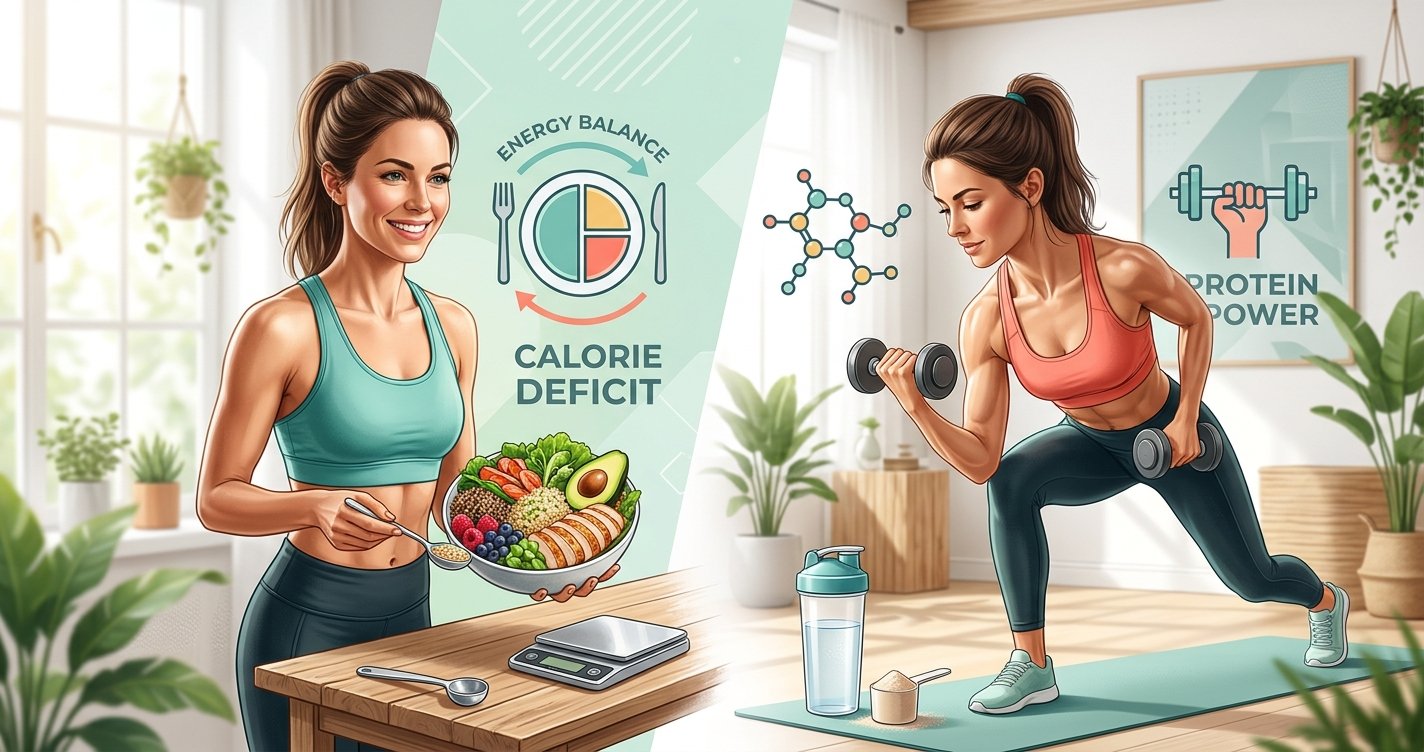
But what if we told you that the most effective, science-backed path to sustainable fat loss isn't complicated or restrictive? What if it boiled down to two powerful, interconnected principles? Welcome to the ultimate guide to leveraging the dynamic duo of a calorie deficit and protein power for real, lasting results. Forget the fads; let's build a foundation that truly works, for good. this excellent wellness product
We're here to cut through the noise, empower you with evidence-based strategies, and cheer you on every step of the way. Ready to transform your body and your relationship with food? Let's dive in!
The Golden Rule: Understanding the Calorie Deficit
At its core, fat loss is a simple equation: you need to consume fewer calories than your body burns. This is known as creating a 'calorie deficit.' Think of your body as a car and calories as fuel. If you put in less fuel than you use, the car will eventually tap into its reserves – in your case, stored body fat.
How Does a Calorie Deficit Work?
Your body is constantly burning calories to perform essential functions like breathing, circulating blood, and digesting food (your Basal Metabolic Rate or BMR). On top of that, you burn calories through all your daily activities, from walking to exercising (your Total Daily Energy Expenditure or TDEE). To lose fat, you need to consistently eat below your TDEE. When you do, your body is forced to use its stored energy (fat) to make up the difference.
Estimating Your Calorie Needs Safely
While precise calculations can be complex, you can get a good estimate of your TDEE using online calculators (search for 'TDEE calculator'). Once you have this number, aim for a deficit of 300-500 calories per day. This amount is generally considered safe and sustainable, leading to a healthy fat loss rate of 1-2 pounds per week. A larger deficit might seem faster, but it often leads to muscle loss, nutrient deficiencies, and rebound weight gain. Patience and consistency are your secret weapons here!
The Protein Powerhouse: Why It's Your Best Friend for Fat Loss
While a calorie deficit is non-negotiable for fat loss, how you achieve that deficit matters immensely. And this is where protein steps onto the stage as your most valuable player. Protein isn't just for bodybuilders; it's a critical macronutrient that offers incredible benefits for anyone looking to shed fat and improve their body composition.
1. Satiety Superpower: Stay Full, Longer
One of the biggest challenges with a calorie deficit is hunger. This is where protein shines! Protein is the most satiating macronutrient, meaning it helps you feel fuller for longer compared to carbohydrates or fats. When your meals are rich in protein, you're less likely to experience intense cravings or overeat between meals, making it much easier to stick to your calorie goals.
2. Muscle Preservation: Protect Your Metabolism
When you're in a calorie deficit, your body can sometimes break down muscle tissue for energy, alongside fat. This is bad news because muscle is metabolically active – it burns more calories at rest than fat does. A higher protein intake, especially when combined with resistance training, helps signal your body to preserve precious muscle mass, ensuring that the weight you lose is primarily fat, not muscle. This protects your metabolism and helps you look toned.
3. Thermic Effect of Food (TEF): Burn More Just By Eating!
Did you know your body burns calories just to digest and process the food you eat? This is called the Thermic Effect of Food (TEF). Protein has the highest TEF of all macronutrients, meaning your body expends more energy digesting protein than it does carbs or fats. While not a massive calorie burner on its own, it's an added bonus that helps nudge you further into your deficit!
Crafting Your Plate: Practical Tips for High-Protein, Calorie-Controlled Meals
Now that you understand the 'why,' let's get to the 'how.' Incorporating more protein into your diet doesn't have to be bland or boring. It's about smart choices and mindful eating.
- Prioritize Protein at Every Meal: Aim for 20-40 grams of protein per meal, depending on your body weight and activity level. Think of protein as the anchor of your plate.
- Lean Protein Sources: Opt for lean meats like chicken breast, turkey, lean beef, and fish (salmon, cod, tuna). Eggs, Greek yogurt, cottage cheese, tofu, tempeh, and lentils are also fantastic options.
- Smart Snacking: Instead of chips or cookies, reach for protein-rich snacks like hard-boiled eggs, a small handful of almonds, a protein shake, or Greek yogurt with berries.
- Vegetables Galore: Fill half your plate with non-starchy vegetables (broccoli, spinach, peppers, green beans). They're low in calories, high in nutrients, and add volume to keep you full.
- Mindful Carb Choices: Don't fear carbs, but choose wisely. Opt for whole grains like oats, quinoa, brown rice, and sweet potatoes in moderate portions. These provide sustained energy and fiber.
- Healthy Fats: Include healthy fats from sources like avocados, nuts, seeds, and olive oil in moderation. They're vital for hormone function and satiety but are calorie-dense.
Example Meal Idea: Grilled chicken breast (protein) with a large serving of roasted broccoli and bell peppers (veggies), and a small side of quinoa (complex carb). Add a drizzle of olive oil for healthy fats.
Beyond the Plate: Hydration, Fiber, and Micronutrients
While protein and a calorie deficit are foundational, don't forget these supporting players that contribute significantly to your overall health and fat loss journey:
- Hydration: Drink plenty of water throughout the day. Sometimes, what feels like hunger is actually thirst. Water also aids digestion and metabolism.
- Fiber: Found in fruits, vegetables, and whole grains, fiber enhances satiety, supports gut health, and helps regulate blood sugar levels, all of which are beneficial for fat loss.
- Micronutrients: Vitamins and minerals are essential for countless bodily functions, including energy production and metabolism. Ensure you're getting a wide range of micronutrients by eating a diverse diet rich in colorful fruits and vegetables.
Navigating Challenges: Cravings, Plateaus, and Social Eating
Even with the best plan, you'll encounter hurdles. That's normal! The key is to have strategies in place.
- Cravings: Don't demonize certain foods. If you have a craving, try to incorporate a small, mindful portion into your day rather than feeling deprived and potentially binging later. Sometimes, a high-protein snack can curb a craving.
- Plateaus: Fat loss isn't linear. If the scale stops moving, don't panic. Re-evaluate your calorie intake (are you still in a deficit?), increase your activity, or try 'diet breaks' where you eat at maintenance for a week to reset.
- Social Eating: Plan ahead! Look at restaurant menus online, choose protein-rich options, and don't be afraid to ask for sauces on the side or to share a dessert. Focus on enjoying the company, not just the food.
Making It Sustainable: Mindset and Long-Term Success
True, sustainable fat loss isn't just about what you eat; it's about building habits and cultivating a positive mindset. This isn't a race; it's a journey.
- Consistency Over Perfection: You don't need to be perfect every day. One 'off' meal or day won't derail your progress. Get back on track with your next meal.
- Listen to Your Body: Pay attention to hunger and fullness cues. Learn what foods make you feel good and energized.
- Celebrate Non-Scale Victories: Focus on improvements in energy, sleep, strength, how your clothes fit, and your overall mood. The scale is just one measure.
- Be Patient and Kind to Yourself: Fat loss takes time. There will be good days and challenging days. Treat yourself with the same compassion you'd offer a friend.
Your Journey to Lasting Fat Loss Starts Now!
You now have the knowledge and the tools to embark on a truly sustainable fat loss journey. By understanding and consistently applying the principles of a calorie deficit and prioritizing protein, you're not just losing weight; you're building a healthier, stronger, and more confident you.
Remember, this isn't about deprivation; it's about empowerment through smart choices. You're in control, armed with science-backed strategies and a supportive mindset. Embrace the process, celebrate every small victory, and trust that consistency will lead you to the lasting results you deserve. You've got this!