Sustainable Fat Loss: Master the Calorie Deficit Without Feeling Deprived
Embarking on a fat loss journey often conjures images of restrictive diets, endless hunger pangs, and the constant battle against cravings. While the fundamental principle of fat loss – consuming fewer calories than you burn (a calorie deficit) – is non-negotiable, the experience doesn't have to be a miserable one. In fact, sustainable fat loss hinges on your ability to create this deficit in a way that feels manageable, satisfying, and even enjoyable.
This guide will equip you with evidence-based strategies to achieve a calorie deficit without the dreaded feeling of deprivation. We'll move beyond simply 'eating less' and dive into 'eating smarter,' focusing on food choices and habits that support satiety, energy, and long-term success. Get ready to transform your approach to fat loss, making it a journey you can stick with for good! this excellent wellness product
Understanding the Calorie Deficit: The Non-Negotiable Truth
Let's start with the basics. Your body needs a certain amount of energy (calories) to perform all its functions, from breathing and thinking to exercising and digesting food. This is known as your Total Daily Energy Expenditure (TDEE). When you consistently consume fewer calories than your TDEE, your body is forced to tap into its stored energy reserves, primarily fat, leading to fat loss.
It sounds simple, and in theory, it is. However, the challenge lies in creating a deficit that is significant enough to yield results but not so drastic that it leaves you constantly hungry, fatigued, and susceptible to binge eating. A moderate deficit, typically 300-500 calories below your TDEE, is often recommended for sustainable fat loss, aiming for a healthy loss of 1-2 pounds per week. This approach prioritizes consistency and well-being over rapid, often unsustainable, weight drops.
Beyond "Eat Less": Strategies for Satiety and Satisfaction
The key to a sustainable calorie deficit isn't just about reducing quantity; it's about optimizing quality. By strategically choosing foods that promote fullness and satisfaction, you can significantly reduce hunger and make sticking to your calorie goals much easier.
The Power of Protein: Your Satiety Superpower
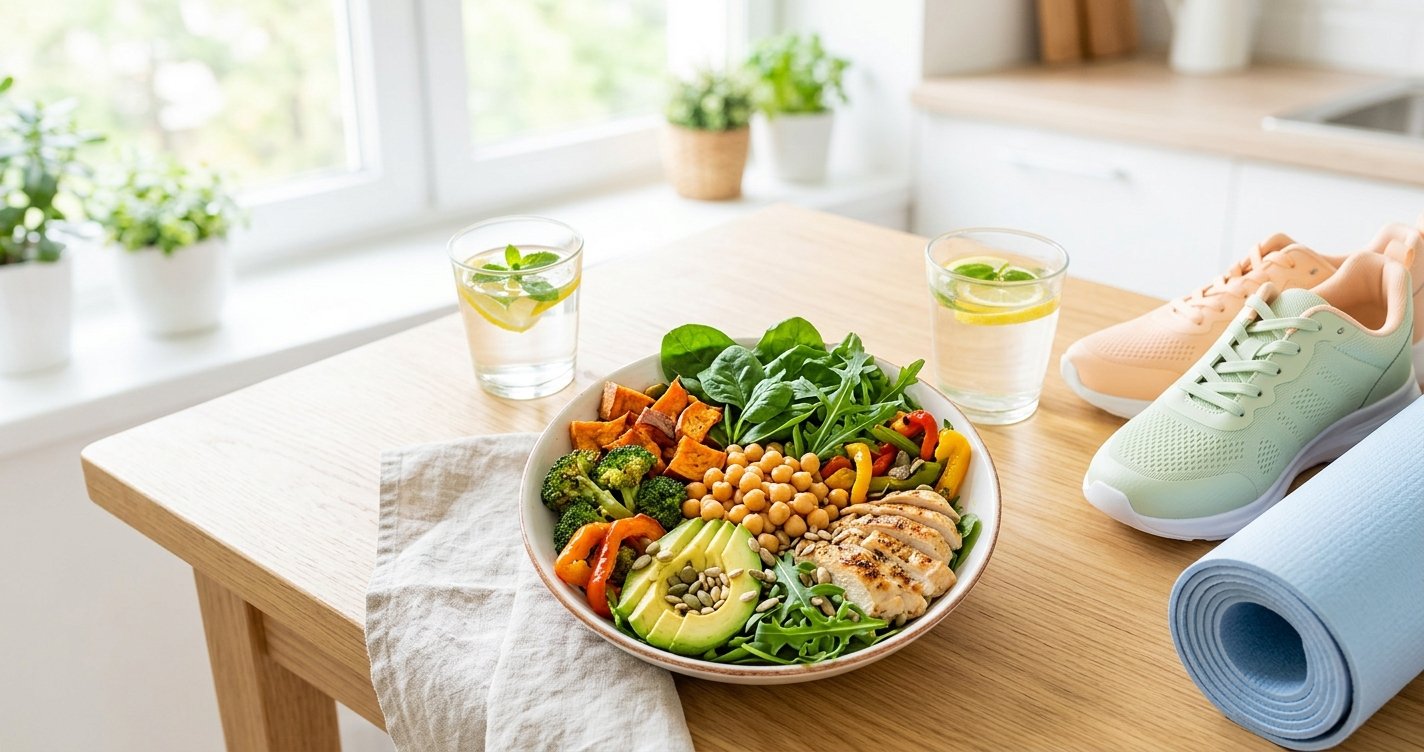
If there's one macronutrient to prioritize for fat loss, it's protein. Protein has the highest thermic effect of food (meaning your body burns more calories digesting it), helps preserve lean muscle mass during a deficit, and, most importantly, is incredibly satiating. Including a good source of protein at every meal can dramatically reduce hunger and cravings throughout the day.
- Lean Meats: Chicken breast, turkey, lean beef, fish (salmon, cod, tuna).
- Dairy: Greek yogurt, cottage cheese, skim milk.
- Plant-Based: Lentils, beans, tofu, tempeh, edamame, protein powder.
Aim for at least 20-30 grams of protein per meal, and consider a protein-rich snack if hunger strikes between meals.
Fiber-Rich Foods: Filling Up Without Packing On
Fiber is another secret weapon in your fat loss arsenal. Found abundantly in fruits, vegetables, whole grains, and legumes, fiber adds bulk to your meals without adding many calories. It slows down digestion, helps stabilize blood sugar levels, and keeps you feeling fuller for longer. Plus, a diet rich in fiber is fantastic for gut health!
- Vegetables: Broccoli, spinach, kale, bell peppers, carrots, leafy greens (eat them generously!).
- Fruits: Berries, apples, pears, oranges (choose whole fruit over juice).
- Whole Grains: Oats, quinoa, brown rice, whole-wheat bread.
- Legumes: Black beans, chickpeas, lentils.
Try to fill half your plate with non-starchy vegetables at lunch and dinner.
Hydration Nation: Don't Underestimate Water's Role
Sometimes, what we perceive as hunger is actually thirst. Staying adequately hydrated is crucial for overall health and can play a significant role in managing appetite. Drinking a glass of water before meals can help you feel fuller and potentially eat less.
Keep a water bottle handy throughout the day and sip regularly. If plain water feels boring, try adding slices of lemon, cucumber, or berries for a refreshing twist.
Smart Swaps: Cutting Calories Without Cutting Flavor
Making small, intentional swaps in your diet can significantly reduce your overall calorie intake without sacrificing taste or satisfaction. It's about finding lower-calorie alternatives that still hit the spot.
- Swap sugary drinks (soda, sweetened tea, juice) for water, unsweetened tea, or sparkling water.
- Choose lean protein sources over fattier cuts of meat.
- Opt for air-popped popcorn instead of chips.
- Use Greek yogurt as a sour cream substitute.
- Replace refined grains with whole grains (e.g., white rice with brown rice or quinoa).
- Cook with sprays or minimal healthy oils instead of excessive butter or oil.
- Load up on vegetables to add volume to dishes like pasta or stir-fries, reducing the portion of higher-calorie ingredients.
Mindful Eating: Tuning Into Your Body's Signals
Beyond what you eat, how you eat plays a massive role in feeling satisfied. Mindful eating practices can help you recognize true hunger and fullness cues, preventing overeating and fostering a healthier relationship with food.
- Eat Slowly: It takes time for your stomach to signal your brain that it's full. Put your fork down between bites.
- Savor Each Bite: Pay attention to the flavors, textures, and aromas of your food.
- Eliminate Distractions: Turn off the TV, put away your phone, and focus on your meal.
- Listen to Your Body: Eat when you're hungry, and stop when you're comfortably full, not stuffed.
Practicing mindfulness can transform eating from a routine task into a deeply satisfying experience, even within a calorie deficit.
The Non-Food Factors: Sleep, Stress, and Support
Fat loss isn't just about food and exercise; it's a holistic endeavor. Poor sleep and chronic stress can wreak havoc on your hormones, increasing cravings for high-calorie foods and making fat loss significantly harder. Prioritizing 7-9 hours of quality sleep per night and finding effective stress management techniques (like meditation, yoga, or spending time in nature) are vital components of a sustainable fat loss strategy.
Additionally, having a support system – whether it's friends, family, or a professional coach – can provide encouragement and accountability, making the journey feel less isolating.
Consistency Over Perfection: Your Long-Term Success Plan
Remember, fat loss is a marathon, not a sprint. There will be days when you overeat, or when your motivation wanes. The key is to avoid an "all or nothing" mindset. One less-than-perfect meal or day doesn't derail your entire journey. Simply acknowledge it, learn from it, and get back on track with your next meal.
Consider tracking your food intake for a period, even if just for a few days, to gain awareness of your typical calorie consumption and identify areas for improvement. This doesn't have to be a permanent habit but can be an incredibly insightful tool.
Conclusion
Achieving a sustainable calorie deficit without feeling deprived is absolutely possible. By focusing on protein and fiber-rich foods, staying hydrated, making smart swaps, practicing mindful eating, and addressing non-food factors like sleep and stress, you can create a fat loss strategy that feels empowering rather than punishing. Embrace consistency, celebrate small victories, and trust the process. Your journey to a healthier, happier you is within reach!