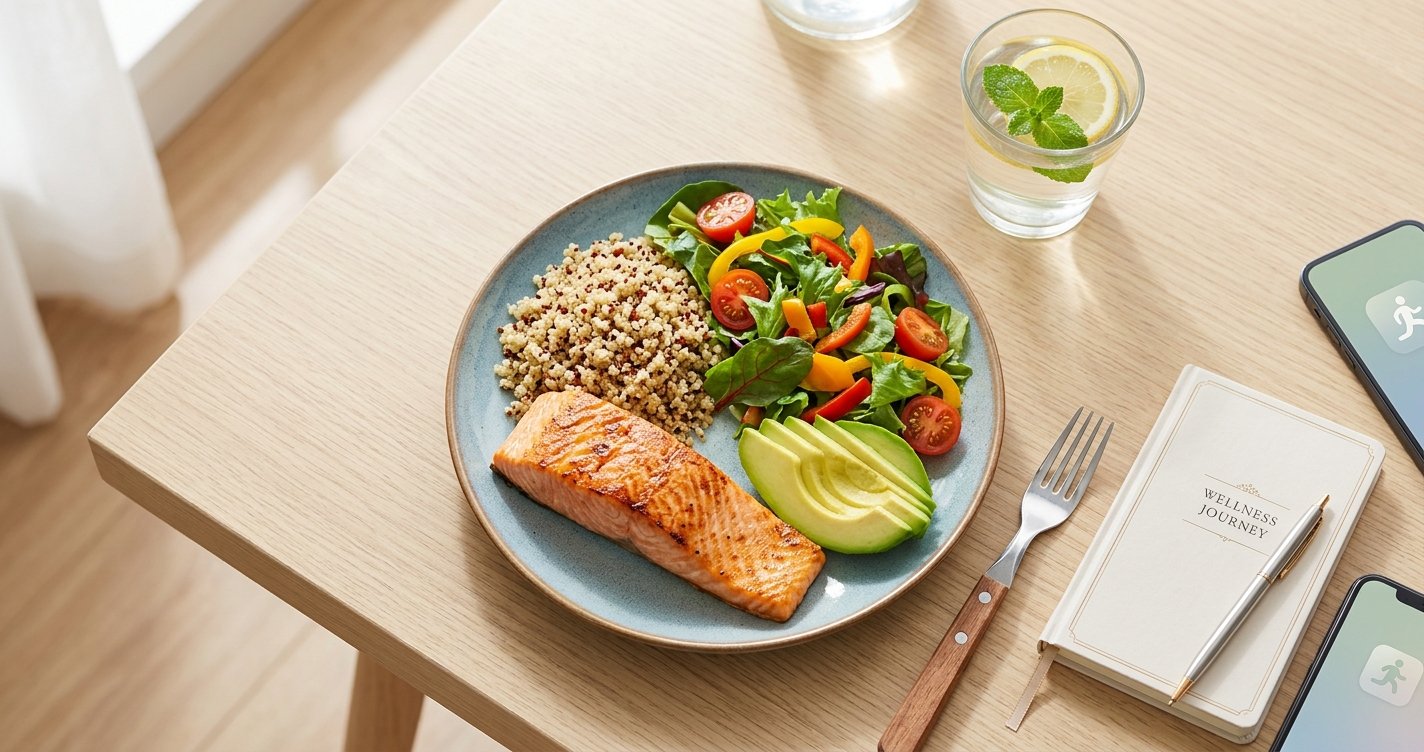
Tired of Yo-Yo Diets? Discover the Sustainable Path to Fat Loss!
Have you ever felt caught in the endless cycle of restrictive diets, only to regain the weight (and often more) shortly after? You're not alone. The world of fat loss can be confusing, filled with conflicting advice and quick fixes that promise the moon but deliver little lasting change. But what if there was a simpler, more sustainable way to achieve your goals? A path rooted in science, designed for real life, and focused on long-term well-being?
Welcome to your friendly guide to sustainable fat loss! We're here to demystify the two most crucial pillars: understanding a calorie deficit and mastering macronutrient balance. Forget extreme restrictions and unrealistic demands. This approach is about empowering you with knowledge, so you can build habits that support not just fat loss, but a healthier, happier you for years to come. this excellent wellness product
The Unshakeable Truth: Understanding the Calorie Deficit
Let's cut straight to the chase: if you want to lose fat, you absolutely must be in a calorie deficit. This isn't a fad; it's a fundamental law of thermodynamics. In simple terms, a calorie deficit means you're consistently consuming fewer calories than your body burns each day. When this happens, your body taps into its stored energy reserves (primarily fat) to make up the difference, leading to fat loss.
How to Estimate Your Daily Calorie Needs
Before you can create a deficit, you need to know your maintenance calories – the amount of energy your body needs to maintain its current weight. This is often referred to as your Total Daily Energy Expenditure (TDEE). While precise measurement requires lab equipment, you can get a very good estimate using online calculators that factor in your:
- Basal Metabolic Rate (BMR): Calories burned at rest.
- Activity Level: Calories burned through exercise and daily movement.
Once you have your estimated TDEE, a moderate deficit is typically 300-500 calories below that number. This allows for steady, sustainable fat loss (around 0.5-1 pound per week) without feeling overly deprived or risking muscle loss.
Why Extreme Deficits Backfire
It might seem logical to cut calories drastically for faster results, but this strategy often backfires. Extreme deficits can lead to:
- Muscle Loss: Your body might catabolize muscle tissue for energy, slowing your metabolism.
- Nutrient Deficiencies: It's harder to get all essential vitamins and minerals.
- Metabolic Adaptation: Your body adapts by lowering energy expenditure, making further fat loss harder.
- Hormonal Imbalances: Affecting hunger, mood, and energy levels.
- Burnout & Binge Eating: Leading to an unsustainable cycle.
Patience and consistency with a moderate deficit are far more effective in the long run.
Macronutrients: The Building Blocks of Your Fat Loss Journey
While a calorie deficit is the king of fat loss, macronutrients (protein, carbohydrates, and fats) are the queen. They dictate not just how many calories you eat, but what kind of calories, profoundly impacting your satiety, energy, muscle preservation, and overall health during your fat loss journey.
Protein: Your Best Friend for Fat Loss
If there's one macronutrient to prioritize for fat loss, it's protein. Here's why:
- Satiety: Protein is incredibly filling, helping you feel fuller for longer and reducing cravings.
- Muscle Preservation: Adequate protein intake is crucial for preserving lean muscle mass during a calorie deficit, which helps keep your metabolism humming.
- Thermic Effect of Food (TEF): Protein requires more energy to digest and metabolize than carbs or fats, meaning you burn a few extra calories just by eating it!
Aim for 0.7-1 gram of protein per pound of your target body weight. Excellent sources include lean meats, poultry, fish, eggs, dairy, legumes, and tofu.
Carbohydrates: Fueling Your Body Smartly
Carbs often get a bad rap, but they are essential for energy, brain function, and fiber intake. The key is choosing the right types and amounts:
- Complex Carbs: Found in whole grains, fruits, vegetables, and legumes, these provide sustained energy, fiber for digestive health, and a host of micronutrients.
- Simple Carbs: Found in sugary drinks, candies, and refined grains, these offer quick energy but often lead to energy crashes and lack nutritional value. Limit these for optimal fat loss.
Your carbohydrate intake should be tailored to your activity level. Active individuals will generally need more. Focus on nutrient-dense sources and time some of your carb intake around your workouts for optimal energy.
Healthy Fats: Essential for Health and Hormones
Fats are calorie-dense, but they are vital for hormone production, nutrient absorption (especially fat-soluble vitamins A, D, E, K), and satiety. Don't cut them out entirely!
- Unsaturated Fats: Found in avocados, nuts, seeds, olive oil, and fatty fish, these are heart-healthy and anti-inflammatory.
- Saturated Fats: Found in animal products and some plant oils (coconut oil). Consume in moderation.
- Trans Fats: Mostly found in processed foods; avoid these entirely.
Aim for roughly 20-30% of your total daily calories from healthy fats. They play a crucial role in making your diet feel satisfying and ensuring your body functions optimally.
Putting It All Together: Crafting Your Personalized Plan
Now that you understand the principles, how do you apply them? It's about finding a balance that works for YOU.
- Calculate Your Calorie Target: Start with your estimated TDEE and subtract 300-500 calories for your initial fat loss target.
- Distribute Your Macros: A common starting point for fat loss is:
- Protein: 30-40% of total calories (or 0.7-1g/lb target body weight)
- Fats: 20-30% of total calories
- Carbohydrates: Remaining percentage (30-50%)
- Track (But Don't Obsess): For a few weeks, use a food tracking app to log your intake. This helps you learn portion sizes and understand the caloric and macronutrient content of your typical foods. Once you have a good grasp, you might not need to track as strictly.
Practical Tips for Tracking and Consistency
- Meal Prepping: Prepare meals in advance to ensure healthy options are always available.
- Food Scales: Use a food scale for accuracy, especially with calorie-dense items like nuts or oils.
- Read Labels: Become familiar with nutrition labels on packaged foods.
- Hydration: Drink plenty of water throughout the day. It can help with satiety and overall health.
- Eat Mindfully: Pay attention to your body's hunger and fullness cues.
Beyond the Plate: Lifestyle Factors for Success
While nutrition is paramount, sustainable fat loss isn't just about what you eat. Your lifestyle plays a massive role in your body's ability to shed fat and maintain a healthy weight.
- Sleep: Aim for 7-9 hours of quality sleep per night. Poor sleep disrupts hunger hormones (ghrelin and leptin) and increases cortisol, making fat loss significantly harder.
- Stress Management: Chronic stress elevates cortisol, which can promote fat storage, especially around the midsection. Incorporate stress-reducing activities like meditation, yoga, or spending time in nature.
- Movement: While exercise primarily burns fewer calories than you think, it's invaluable for building and preserving muscle mass, boosting mood, improving insulin sensitivity, and overall health. Find activities you enjoy – whether it's walking, lifting weights, dancing, or cycling.
The Journey to Sustainable Results: Patience and Flexibility
Remember, fat loss is rarely a linear process. There will be good days, challenging days, and plateaus. This is normal! Embrace flexibility, learn from setbacks, and focus on progress, not perfection.
- Listen to Your Body: Adjust your calories and macros as your body changes or your activity levels shift.
- Non-Scale Victories: Celebrate improvements in energy, strength, sleep, clothes fitting better, and overall well-being. The scale is just one metric.
- Build Habits: Focus on creating sustainable habits rather than chasing fleeting results. Small, consistent changes add up to massive transformations.
Ready to Transform Your Approach?
You now have the fundamental knowledge to embark on a truly sustainable fat loss journey. By understanding the calorie deficit and strategically balancing your macronutrients, you're not just dieting; you're building a foundation for a healthier lifestyle that will serve you for years to come.
It won't always be easy, but it will be worth it. Start small, be consistent, and be kind to yourself. Your body will thank you!