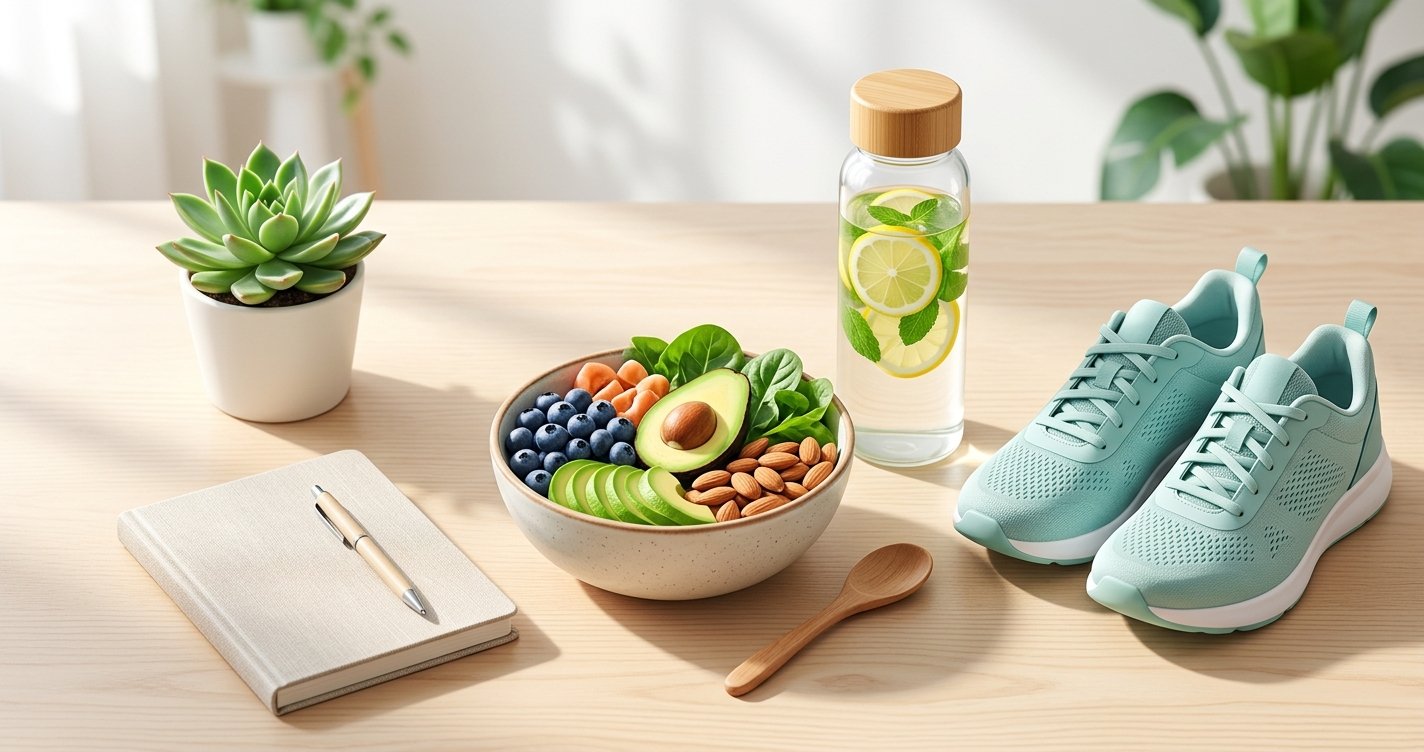
Are you tired of the endless cycle of crash diets, quick fixes, and the frustration of rebound weight gain? Many of us have been there, lured by the promise of rapid fat loss, only to find ourselves feeling deprived, exhausted, and ultimately, back where we started. The truth is, genuine, lasting fat loss isn't about extreme restriction or punishing workouts; it's about building sustainable habits that nourish your body and mind for the long haul. In this evidence-based guide, we'll explore how to achieve fat loss that sticks, without sacrificing your well-being or sanity. Get ready to ditch the quick fixes and embrace a smarter, healthier approach to a leaner, stronger you.
Why Crash Diets Always Fail (Eventually)
The appeal of losing a significant amount of weight in a short time is undeniable. Crash diets, often characterized by severe calorie restriction or the elimination of entire food groups, promise just that. However, these methods are fundamentally unsustainable and often detrimental to your health. When you drastically cut calories, your body goes into 'survival mode,' slowing down your metabolism to conserve energy. This makes it harder to lose fat and easier to regain it once you return to normal eating patterns. Furthermore, extreme diets often lead to muscle loss, which is counterproductive since muscle tissue burns more calories at rest than fat tissue. Psychologically, the deprivation associated with crash dieting can trigger intense cravings, emotional eating, and a negative relationship with food, paving the way for the infamous yo-yo effect. this excellent wellness product
The Foundation: Calorie Awareness, Not Calorie Restriction
While calories do matter for fat loss, the focus should be on awareness rather than harsh restriction. To lose fat, you generally need to be in a slight calorie deficit – consuming fewer calories than your body burns. However, this deficit should be moderate, typically around 300-500 calories below your maintenance level. A sustainable deficit ensures your body receives adequate nutrients, prevents metabolic slowdown, and reduces the risk of muscle loss. Instead of fixating on a number, prioritize nutrient-dense foods that provide satiety and essential vitamins and minerals. Think whole foods like lean proteins, fruits, vegetables, and whole grains, which offer more bang for your caloric buck compared to processed snacks.
Fuel Your Body Right: The Power of Protein and Fiber
When it comes to sustainable fat loss, what you eat is just as important as how much. Two key players in your diet should be protein and fiber.
Protein: Your Fat Loss Ally
Protein is a powerhouse nutrient for fat loss. It’s highly satiating, meaning it helps you feel fuller for longer, reducing overall calorie intake. Protein also has a higher thermic effect of food (TEF) than carbs or fats, meaning your body burns more calories digesting and processing it. Most importantly, adequate protein intake is crucial for preserving muscle mass during a calorie deficit, which helps maintain a healthy metabolism. Aim for a protein source at every meal.
- Lean Meats: Chicken breast, turkey, lean beef
- Fish: Salmon, tuna, cod
- Eggs: Whole eggs or egg whites
- Dairy: Greek yogurt, cottage cheese
- Legumes: Lentils, beans, chickpeas
- Plant-Based: Tofu, tempeh, edamame, protein powder
Fiber: The Gut-Friendly Helper
Fiber is another champion for fat loss and overall health. It adds bulk to your meals without adding many calories, promoting fullness and aiding digestion. Soluble fiber, in particular, forms a gel-like substance in your gut that slows down digestion and the absorption of nutrients, helping to stabilize blood sugar levels and prevent energy crashes that can lead to cravings. A healthy gut microbiome, supported by fiber, is also linked to better weight management.
- Fruits: Berries, apples, pears
- Vegetables: Broccoli, spinach, carrots
- Whole Grains: Oats, quinoa, brown rice
- Legumes: Beans, lentils
- Nuts and Seeds: Chia seeds, flaxseeds, almonds
Move More, Live Better: Beyond Just Cardio
While diet is crucial, physical activity plays a vital role in fat loss and body composition. But it's not just about endless cardio.
Embrace Strength Training
Many people associate fat loss primarily with cardio, but strength training is arguably more impactful for long-term results. Building muscle not only sculpts your physique but also significantly boosts your resting metabolic rate (RMR). Muscle tissue is metabolically active, meaning it burns more calories even when you're at rest compared to fat tissue. Incorporating 2-3 full-body strength training sessions per week can help you preserve muscle during a deficit and even build new muscle, leading to a more toned and efficient body.
Incorporate NEAT (Non-Exercise Activity Thermogenesis)
Beyond structured workouts, your daily non-exercise activity can make a substantial difference. NEAT refers to the energy expended for everything we do that is not sleeping, eating, or sports-like exercise. These small movements add up!
- Take the stairs instead of the elevator.
- Park further away to walk more.
- Stand up and move around frequently during work breaks.
- Walk or bike for short errands.
- Fidgeting and general daily movement.
The Mind-Body Connection: Sleep, Stress, and Mindful Eating
Sustainable fat loss isn't just about food and exercise; it's deeply intertwined with your overall lifestyle and mental well-being. Neglecting these aspects can sabotage even the best diet and workout plan.
Prioritize Sleep
Sleep is often the unsung hero of fat loss. Insufficient sleep disrupts hormones that regulate appetite and fat storage. When you're sleep-deprived, your body produces more ghrelin (the hunger hormone) and less leptin (the satiety hormone), leading to increased cravings, especially for high-carb, sugary foods. It also elevates cortisol, the stress hormone, which can promote abdominal fat storage. Aim for 7-9 hours of quality sleep per night.
Manage Stress Effectively
Chronic stress, like lack of sleep, keeps cortisol levels elevated. This not only encourages fat storage around the midsection but also often leads to emotional eating as a coping mechanism. Finding healthy ways to manage stress is vital for sustainable fat loss.
- Practice mindfulness or meditation.
- Engage in hobbies you enjoy.
- Spend time in nature.
- Connect with loved ones.
- Deep breathing exercises.
Practice Mindful Eating
Mindful eating means paying attention to your food, your body's hunger and fullness cues, and the experience of eating. It's about slowing down, savoring each bite, and eating without distraction. This practice can help you recognize true hunger versus emotional hunger, prevent overeating, and foster a healthier, more intuitive relationship with food, moving away from restrictive diet mentalities.
Building Sustainable Habits: The Long Game
True fat loss is a journey, not a destination. It's about making small, consistent changes that you can stick with for life, rather than drastic overhauls that leave you feeling deprived and ready to quit. Focus on progress, not perfection. Celebrate small victories, learn from setbacks, and be patient with yourself. Remember, the goal is not just to lose weight, but to build a healthier, stronger, and more confident you – a version that thrives on nourishing foods, enjoyable movement, and a balanced lifestyle. Embrace the process, trust your body, and commit to long-term well-being over fleeting results.
Conclusion
Ditching crash diets for a sustainable fat loss approach is the most effective path to lasting results. By focusing on nutrient-dense foods, prioritizing protein and fiber, incorporating both strength training and daily movement, and nurturing your mind through adequate sleep, stress management, and mindful eating, you create a holistic strategy that works with your body, not against it. This isn't just about shedding pounds; it's about building a healthier, happier, and more energetic life. Start small, stay consistent, and enjoy the journey to a sustainable, stronger you!