Sustainable Fat Loss: Ditch Crash Diets for Lasting Results & a Healthier You
Are you tired of the endless cycle of crash diets, rapid weight loss, and then inevitably gaining it all back (and sometimes more)? You’re not alone. In a world obsessed with quick fixes, it’s easy to fall prey to promises of shedding pounds in record time. But what if there was a better way? A way to achieve genuine, long-term fat loss that not only transforms your body but also enhances your overall health and well-being? Welcome to the world of sustainable fat loss – where consistency, science, and self-care triumph over deprivation and despair.
This isn't about rigid rules or extreme restrictions; it's about understanding your body, making informed choices, and building habits that support a healthy lifestyle you can actually maintain. Let's ditch the crash diets for good and embark on a journey towards a stronger, healthier, and happier you. this excellent wellness product
Why Crash Diets Crash and Burn (and Why They're Bad for You)
The allure of a rapid transformation is powerful, but crash diets come with a steep price. While they might deliver initial weight loss, this is often largely water weight and muscle, not just fat. Here’s why these extreme approaches are detrimental in the long run:
The Metabolism Myth: Slowing Down Your Fat-Burning Engine
When you drastically cut calories, your body goes into ‘survival mode.’ It perceives a famine and responds by slowing down your metabolism to conserve energy. This means your body burns fewer calories at rest, making it harder to lose fat in the future and easier to regain weight once you return to normal eating patterns. It's a vicious cycle that can leave your metabolism damaged and frustrated.
Nutrient Deficiencies and Energy Dips
Crash diets often involve eliminating entire food groups or severely limiting variety. This can lead to critical nutrient deficiencies, impacting everything from your immune system and hormone balance to your energy levels and mood. Feeling sluggish, irritable, and constantly hungry is not a recipe for sustained success or happiness.
The Rebound Effect: Gaining It All Back (and More)
Perhaps the most disheartening aspect of crash dieting is the almost inevitable rebound effect. Once you stop the extreme diet (because let's be real, they're unsustainable), your body, having been deprived, tends to overcompensate. Your slowed metabolism, coupled with increased hunger hormones, makes it incredibly easy to gain back the lost weight, often with an added bonus of extra fat. This 'yo-yo dieting' pattern is not only demotivating but also unhealthy for your heart and overall metabolic health.
The Pillars of Sustainable Fat Loss: Building a Foundation
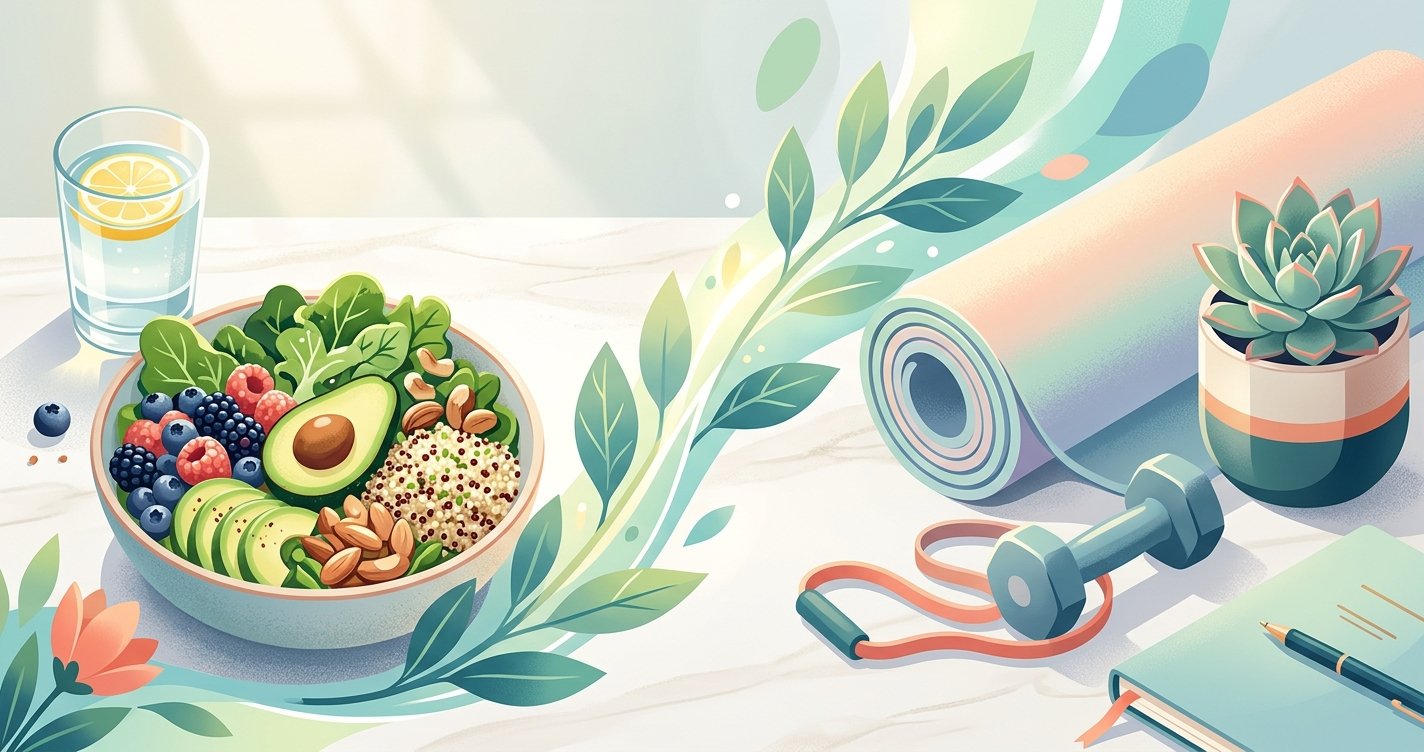
Instead of quick fixes, sustainable fat loss focuses on building a robust foundation of healthy habits. Think of it as investing in your long-term health, not just a temporary aesthetic change.
Smart Nutrition: Fueling Your Body, Not Depriving It
This isn't about eating less; it's about eating better. Sustainable nutrition focuses on nutrient-dense, whole foods that keep you full, energized, and satisfied.
- Prioritize Protein: Protein is crucial for building and maintaining muscle mass, which is key for a healthy metabolism. It's also incredibly satiating, helping you feel fuller for longer. Think lean meats, fish, eggs, dairy, legumes, and plant-based protein sources.
- Embrace Fiber: Found in fruits, vegetables, whole grains, and legumes, fiber aids digestion, helps regulate blood sugar, and contributes to satiety. Fill half your plate with colorful veggies!
- Don't Fear Healthy Fats: Healthy fats (from avocados, nuts, seeds, olive oil) are essential for hormone production, nutrient absorption, and keeping you satisfied. Portion control is key, as they are calorie-dense.
- Mindful Calorie Awareness: While avoiding obsession, being generally aware of your calorie intake is helpful. Focus on creating a slight, consistent calorie deficit through smart food choices rather than drastic cuts.
Strength Training: Your Metabolism's Best Friend
If you're only doing cardio for fat loss, you're missing a huge piece of the puzzle. Strength training is a game-changer for body composition and long-term fat loss.
- Build Muscle, Burn More: Muscle tissue is metabolically active, meaning it burns more calories at rest than fat tissue. The more muscle you have, the higher your resting metabolic rate.
- Shape Your Body: Beyond just weight loss, strength training helps sculpt your physique, giving you a toned, strong appearance.
- Boost Bone Density: It's also fantastic for bone health and overall functional strength.
Aim for 2-4 strength training sessions per week, focusing on compound movements that work multiple muscle groups.
Mindful Movement: Beyond the Gym
While structured workouts are great, incorporating more non-exercise activity thermogenesis (NEAT) into your day can significantly boost your calorie expenditure without feeling like a chore.
- Take the stairs instead of the elevator.
- Park further away.
- Go for a walk during your lunch break.
- Stand more, sit less.
Find activities you genuinely enjoy – hiking, dancing, cycling – and make them a regular part of your life. Consistent, enjoyable movement is far more sustainable than grueling workouts you dread.
The Unsung Heroes: Sleep, Stress, and Hydration
Often overlooked, these fundamental aspects of health play a profound role in your ability to lose fat sustainably.
The Power of Zzz's: How Sleep Impacts Fat Loss Hormones
Lack of sleep disrupts hormones critical for appetite and metabolism. Insufficient sleep elevates ghrelin (the hunger hormone) and lowers leptin (the satiety hormone), making you feel hungrier and less satisfied. It also increases cortisol, which can promote fat storage around the midsection. Aim for 7-9 hours of quality sleep per night.
Taming the Stress Monster: Cortisol and Cravings
Chronic stress leads to elevated cortisol levels. High cortisol not only encourages fat storage (especially visceral fat around your organs) but can also increase cravings for sugary, high-fat comfort foods. Incorporate stress-reducing practices into your daily routine: meditation, deep breathing, yoga, spending time in nature, or simply enjoying a relaxing hobby.
Hydration: Simple Yet Powerful
Drinking enough water is fundamental. Water is essential for every bodily function, including metabolism. Sometimes, what we perceive as hunger is actually thirst. Staying well-hydrated can also help you feel fuller and optimize your body's fat-burning processes. Aim for 8 glasses of water a day, or more if you're active.
Cultivating a Healthy Mindset: The Long Game
Sustainable fat loss isn't just about what you do; it's about how you think and feel about the process.
Patience and Persistence: Embracing the Journey
True transformation takes time. There will be good days and bad days, plateaus, and breakthroughs. Embrace the journey, understand that progress isn't linear, and trust the process. Consistency, not perfection, is the key.
Listening to Your Body: Intuitive Eating Principles
Learn to tune into your body's hunger and fullness cues. Eat when you're truly hungry, stop when you're comfortably full. Pay attention to how different foods make you feel. This mindful approach helps you build a healthier relationship with food and avoid restrictive cycles.
Celebrating Small Wins: Motivation Through Progress
Don't wait for the 'finish line' to celebrate. Acknowledge every positive step: choosing a healthy meal, completing a workout, getting enough sleep, resisting a craving. These small victories build momentum and reinforce positive habits, keeping you motivated on your sustainable fat loss journey.
Practical Tips for Starting Your Sustainable Journey Today
Ready to make a change? Here are some actionable steps you can take right now:
- Start Small: Don't overhaul everything at once. Pick one or two habits to focus on (e.g., adding protein to every meal, walking 30 minutes daily).
- Meal Prep Wisely: Dedicate some time each week to plan and prepare healthy meals and snacks. This prevents impulsive, unhealthy choices.
- Track Your Progress (Non-Scale): While the scale can be a data point, focus on other metrics: how your clothes fit, energy levels, strength gains, sleep quality, and mood.
- Seek Support: Share your goals with a supportive friend, family member, or consider working with a qualified coach or dietitian.
- Be Kind to Yourself: There will be slip-ups. Don't let one bad meal or missed workout derail your entire journey. Learn from it, forgive yourself, and get back on track.
Conclusion
Sustainable fat loss is not a sprint; it's a marathon towards a healthier, more vibrant life. By ditching the allure of crash diets and embracing a holistic approach that prioritizes smart nutrition, strength training, consistent movement, quality sleep, stress management, and a positive mindset, you can achieve lasting results. This journey is about building habits that serve you for a lifetime, not just a season. Be patient, be persistent, and most importantly, be kind to yourself. Your body and mind will thank you for it. Let's make this the last time you ever have to 'diet' again!