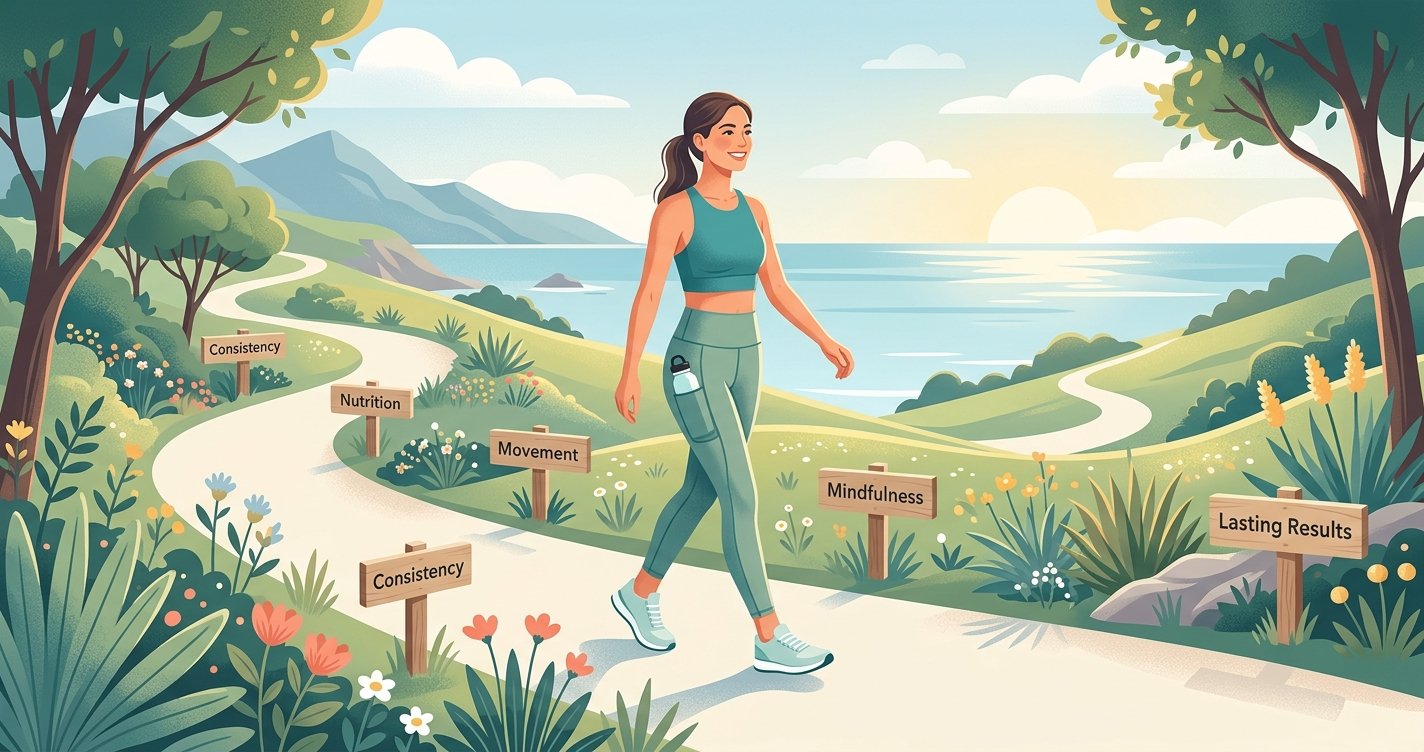
Are you tired of the yo-yo diet cycle? The endless pursuit of quick fixes, only to find yourself back where you started, or even further behind? If so, you're not alone. Millions of people embark on restrictive crash diets each year, hoping for rapid fat loss, but often end up frustrated, demotivated, and with a slower metabolism to boot. It's time to shift our perspective from temporary deprivation to sustainable, evidence-based strategies that deliver real, lasting results.
This post isn't about magic pills or extreme detoxes. It's about empowering you with the knowledge and tools to achieve genuine fat loss that you can maintain for life. We'll explore why crash diets fail, what truly works, and how you can build healthy habits that lead to a stronger, leaner, and happier you – without sacrificing your favorite foods or your sanity. this excellent wellness product
Why Crash Diets Crash and Burn (And Take Your Motivation With Them)
The allure of losing 10 pounds in a week is powerful, but it's a mirage. Crash diets, characterized by severe calorie restriction (often below 1200 calories per day) and exclusion of entire food groups, are designed for short-term, often unsustainable, weight loss. Here’s why they rarely work in the long run:
- Metabolic Adaptation: When you drastically cut calories, your body perceives it as starvation. It responds by slowing down your metabolism to conserve energy. This makes it harder to lose fat and easier to regain weight once you return to normal eating.
- Muscle Loss: Rapid weight loss from crash diets often includes a significant amount of muscle, not just fat. Muscle is metabolically active, meaning it burns more calories at rest. Losing muscle further slows your metabolism, making future fat loss more challenging.
- Nutrient Deficiencies: Restrictive diets often lack essential vitamins, minerals, and macronutrients, leading to fatigue, poor immune function, hair loss, and other health issues.
- Psychological Toll: Constant hunger, cravings, and the feeling of deprivation can lead to irritability, poor concentration, and an unhealthy relationship with food. This often culminates in binge eating, guilt, and a complete abandonment of the diet.
- Unsustainable: Simply put, no one can maintain such extreme restrictions indefinitely. Life happens – social events, holidays, stress – and these diets offer no flexibility, setting you up for failure.
Understanding these pitfalls is the first step towards embracing a more effective, compassionate approach to fat loss.
The Pillars of Lasting Fat Loss: It's Simpler Than You Think
Forget complex rules and exotic ingredients. Sustainable fat loss hinges on a few fundamental, interconnected principles that are backed by science:
- Calorie Deficit: To lose fat, you must consume fewer calories than your body burns. This is the absolute non-negotiable foundation. However, the key is a moderate deficit (300-500 calories below maintenance) to preserve muscle and maintain metabolic health.
- Adequate Protein Intake: Protein is crucial for satiety, preserving muscle mass during weight loss, and has a higher thermic effect (meaning your body burns more calories digesting it) than carbs or fats. Aim for 0.7-1 gram of protein per pound of body weight.
- Strength Training: Lifting weights is your secret weapon. It builds and preserves muscle mass, which boosts your resting metabolism and gives your body a toned, shapely appearance.
- Whole Foods Focus: Prioritize nutrient-dense, unprocessed foods like lean proteins, fruits, vegetables, whole grains, and healthy fats. These keep you fuller, provide essential nutrients, and support overall health.
- Sleep & Stress Management: Often overlooked, adequate sleep and managed stress levels significantly impact your hormones (like ghrelin, leptin, and cortisol) that regulate hunger, fat storage, and energy levels.
- Consistency & Patience: Fat loss is a marathon, not a sprint. Real results come from consistent effort over time, not perfection.
Fueling Your Journey: Smart Nutrition for Sustainable Results
Achieving a calorie deficit doesn't mean eating boring food. It means making smarter choices and understanding portion sizes.
Prioritize Protein at Every Meal
Include a lean protein source (chicken breast, fish, eggs, Greek yogurt, tofu, lentils) in every meal. This helps you feel full longer and supports muscle repair and growth.
Embrace Fruits and Vegetables
These are your low-calorie, high-volume heroes! Fill half your plate with colorful veggies at lunch and dinner. They provide fiber, vitamins, and antioxidants, keeping you satisfied without excess calories.
Choose Complex Carbohydrates Wisely
Whole grains (oats, brown rice, quinoa, whole-wheat bread) provide sustained energy and fiber. Portion control is key here; they are not "free" foods, but they are vital for energy and gut health.
Don't Fear Healthy Fats
Avocado, nuts, seeds, and olive oil are essential for hormone production, nutrient absorption, and satiety. They are calorie-dense, so enjoy them in moderation.
Hydration is Key
Drink plenty of water throughout the day. Sometimes, thirst is mistaken for hunger. Water also aids digestion and metabolism.
Mindful Eating
Pay attention to your body's hunger and fullness cues. Eat slowly, savor your food, and avoid distractions. This helps prevent overeating and fosters a healthier relationship with food.
Move Your Body, Not Just Your Scale: The Power of Exercise
Exercise isn't just about burning calories; it's about building a stronger, healthier, and more capable body.
Strength Training: Your Metabolic Multiplier
Aim for 2-4 strength training sessions per week, targeting all major muscle groups. This is critical for preserving muscle during fat loss and even building new muscle, which in turn boosts your resting metabolism. You don't need to become a bodybuilder; simply lifting challenging weights consistently will yield incredible benefits.
Cardio: For Heart Health and an Extra Burn
Incorporate 150-300 minutes of moderate-intensity cardio (like brisk walking, jogging, cycling, swimming) or 75-150 minutes of vigorous-intensity cardio per week. While strength training is king for metabolism, cardio improves cardiovascular health, endurance, and can contribute to your overall calorie deficit.
Stay Active Throughout the Day
Beyond structured workouts, aim to increase your daily non-exercise activity thermogenesis (NEAT). Take the stairs, walk during phone calls, park further away, or invest in a standing desk. Every bit of movement adds up!
Beyond Food and Fitness: The Unsung Heroes of Fat Loss
True sustainable fat loss goes beyond what you eat and how you move. Your lifestyle plays a massive role.
Prioritize Sleep
Aim for 7-9 hours of quality sleep per night. Poor sleep disrupts hunger-regulating hormones (ghrelin and leptin), increases cortisol (a stress hormone that can promote fat storage), and reduces willpower and energy for workouts.
Manage Stress
Chronic stress elevates cortisol, which can lead to increased appetite, cravings for unhealthy foods, and abdominal fat storage. Find healthy ways to manage stress, such as meditation, yoga, spending time in nature, or hobbies you enjoy.
Consistency Over Perfection
There will be days you overeat or miss a workout. That's okay! Don't let one slip-up derail your entire journey. Get back on track with your next meal or next workout. Consistency is far more important than perfection.
Patience and Self-Compassion
Fat loss is a journey, not a destination. It's often non-linear. Celebrate small victories, learn from setbacks, and be kind to yourself throughout the process. Sustainable change takes time.
Building Habits That Stick: Small Changes, Big Impact
The secret to long-term success isn't willpower; it's building sustainable habits. Start small and build momentum.
- Track Your Intake (Initially): For a few weeks, use an app to track your food intake. This provides invaluable insight into your current habits and helps you identify areas for improvement. You don't need to do it forever, but it's a powerful learning tool.
- Meal Prep: Dedicate a few hours each week to prepare healthy meals and snacks. This makes healthy eating effortless during busy weekdays.
- Find Activities You Enjoy: If you hate running, don't force yourself to run. Find a form of exercise you genuinely enjoy, whether it's dancing, hiking, swimming, or team sports.
- Set Realistic Goals: Aim for 1-2 pounds of fat loss per week. Slower, steady progress is more likely to be sustainable.
- Focus on Non-Scale Victories: How do your clothes fit? How's your energy? Are you stronger? Are you sleeping better? These are equally important indicators of progress and can keep you motivated when the scale is stubborn.
Your Journey to Lasting Fat Loss Starts Now
Ditching the allure of quick fixes and embracing a balanced, sustainable approach to fat loss is the most powerful decision you can make for your health and well-being. It's not about deprivation; it's about nourishing your body, challenging yourself physically, and fostering a positive mindset.
Remember, every small, consistent step you take adds up to significant, lasting change. Be patient, be persistent, and most importantly, be kind to yourself. You have the power to transform your body and your life, one healthy habit at a time. What small, sustainable change will you commit to today?