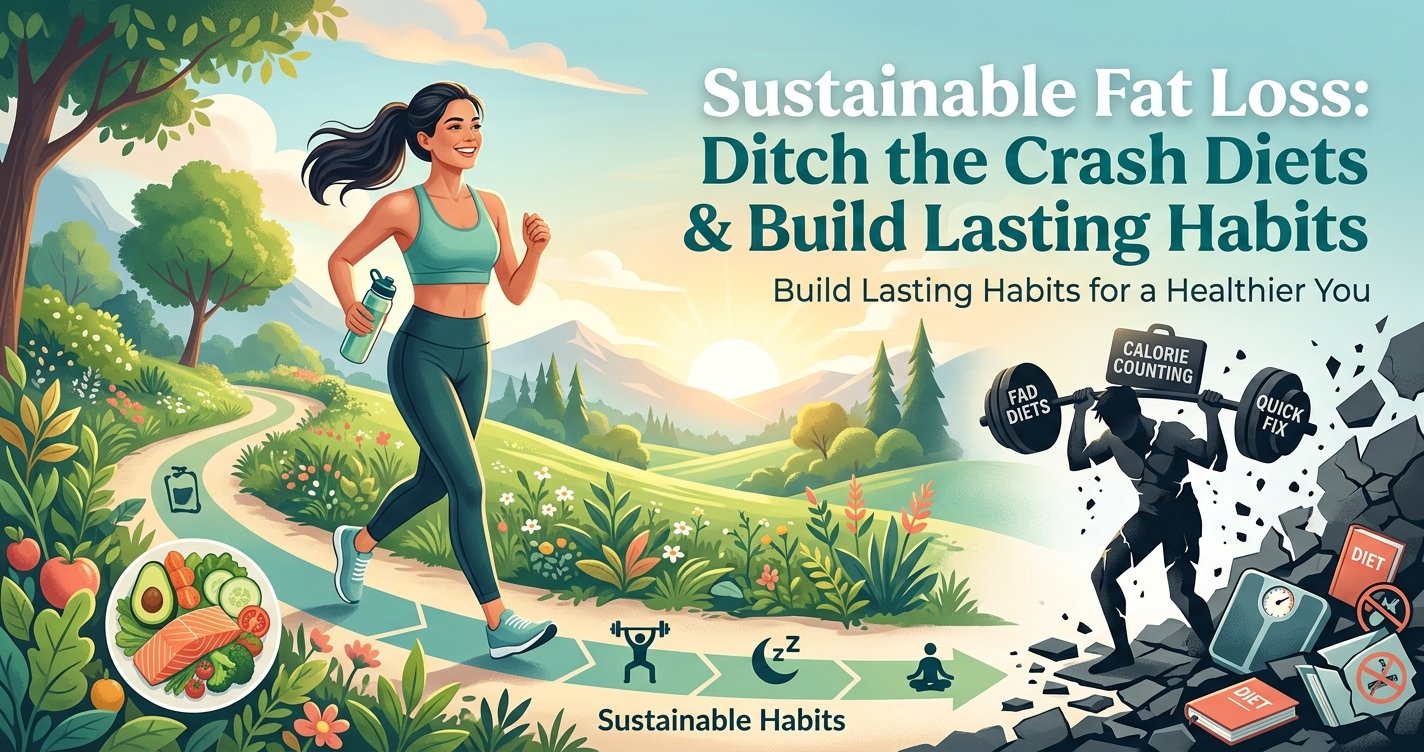
Are you tired of the endless cycle of crash diets, rapid weight loss, and then watching the numbers on the scale creep right back up? You’re not alone. Many people fall into the trap of seeking quick fixes, only to find themselves frustrated, demotivated, and often heavier than when they started. The truth is, genuine, lasting fat loss isn't about deprivation or extreme measures; it's about building sustainable habits that support your body and mind for the long haul. This isn't just a weight loss journey; it's a journey to a healthier, happier you.
In this guide, we'll dive deep into evidence-based strategies that help you lose fat effectively and keep it off, without sacrificing your sanity or well-being. Get ready to ditch the yo-yo dieting mentality and embrace a kinder, smarter approach to achieving your body composition goals. this excellent wellness product
Why Crash Diets Fail (And Why Sustainability Always Wins)
The allure of a 7-day detox or a 30-day extreme diet is strong, promising rapid results. While you might see a quick drop on the scale, much of this is often water weight or even muscle mass, not actual fat. Crash diets typically involve severe calorie restriction, which sends your body into a protective mode. Your metabolism slows down to conserve energy, and your body can start breaking down muscle tissue for fuel, which is counterproductive to fat loss. Muscle is metabolically active, meaning it burns more calories at rest than fat does.
- Metabolic Slowdown: Your body adapts to fewer calories by burning less.
- Muscle Loss: Severe restriction can lead to muscle breakdown, further hindering your metabolism.
- Nutrient Deficiencies: Restrictive diets often lack essential vitamins and minerals.
- Unsustainable: They're incredibly hard to stick to long-term, leading to rebound eating and weight gain.
Sustainable fat loss, on the other hand, focuses on gradual, consistent changes. It prioritizes preserving muscle, nourishing your body, and building habits you can maintain for life. This approach might seem slower, but its results are far more enduring and beneficial for your overall health.
The Power of a Moderate Calorie Deficit: It's Not About Starvation!
At its core, fat loss comes down to creating a calorie deficit – consuming fewer calories than your body burns. However, the key word here is moderate. A deficit of 250-500 calories per day is typically enough to promote steady fat loss (about 0.5-1 pound per week) without triggering the negative metabolic adaptations associated with crash dieting. This allows your body to tap into its fat stores for energy while largely preserving muscle mass.
How do you find your sweet spot? You can estimate your Total Daily Energy Expenditure (TDEE) using online calculators, which factor in your age, weight, height, sex, and activity level. From there, subtract a moderate amount to create your deficit. Remember, these are estimates, and listening to your body and adjusting based on your progress is crucial. Focus on consistency over extreme restriction; small, manageable deficits add up significantly over time.
Protein, Fiber, and Whole Foods: Your Satiety Superheroes
What you eat is just as important as how much you eat. Prioritizing certain macronutrients and food groups can make your calorie deficit feel much easier to manage.
Protein: The Muscle Preserver & Hunger Buster
Protein is king for fat loss. It has the highest thermic effect of food (meaning your body burns more calories digesting it), helps preserve muscle mass during a deficit, and is incredibly satiating, keeping you feeling fuller for longer. Aim for 0.7-1 gram of protein per pound of body weight per day.
Excellent Protein Sources: Lean meats (chicken breast, turkey), fish (salmon, tuna), eggs, Greek yogurt, cottage cheese, legumes (lentils, beans), tofu, and protein powder.
Fiber: The Gut & Fullness Friend
Fiber-rich foods add bulk to your meals without adding many calories. This helps you feel full, supports healthy digestion, and can help regulate blood sugar levels, preventing energy crashes and cravings. Soluble fiber, in particular, can slow digestion and enhance satiety.
Fiber-Rich Foods: Vegetables (broccoli, spinach, carrots), fruits (berries, apples, pears), whole grains (oats, quinoa, brown rice), nuts, and seeds.
Whole Foods: The Nutrient Powerhouses
Focus on unprocessed, whole foods that are rich in nutrients and naturally lower in calories. These provide your body with the vitamins, minerals, and antioxidants it needs to function optimally, support energy levels, and prevent deficiencies that can stall progress. Limit highly processed foods, sugary drinks, and excessive amounts of unhealthy fats, which often pack a lot of calories with little nutritional value.
Don't Fear the Weights: Why Strength Training is Non-Negotiable
When people think of fat loss, cardio often comes to mind first. While cardio has its place, strength training is arguably more critical for long-term body recomposition. Lifting weights helps you:
- Preserve Muscle Mass: During a calorie deficit, strength training signals to your body that you need your muscles, encouraging it to burn fat for energy instead.
- Boost Metabolism: Muscle tissue burns more calories at rest than fat tissue. The more muscle you have, the higher your resting metabolic rate, making it easier to maintain a deficit and keep fat off.
- Improve Body Composition: Even if the scale doesn't move dramatically, you'll notice your body changing shape – becoming firmer, more toned, and stronger.
- Enhance Bone Density: A crucial long-term health benefit, especially as we age.
Aim for 2-4 strength training sessions per week, focusing on compound movements (squats, deadlifts, presses, rows) that work multiple muscle groups. Don't be intimidated; there are fantastic beginner programs available, and even bodyweight exercises can be incredibly effective.
Move More, Live Better: Incorporating NEAT and Cardio
Beyond structured workouts, increasing your overall daily movement plays a huge role in fat loss and general well-being. This is where NEAT (Non-Exercise Activity Thermogenesis) comes in.
NEAT: The Unsung Calorie Burner
NEAT includes all the calories you burn from activities that aren't sleeping, eating, or intentional exercise. Think walking, standing, fidgeting, doing housework, gardening, or taking the stairs. These small movements add up significantly throughout the day and can make a big difference in your overall calorie expenditure without adding intense stress to your body.
Easy NEAT Boosters:
- Take the stairs instead of the elevator.
- Park further away.
- Go for a walk during your lunch break.
- Stand up and stretch every hour.
- Walk while on the phone.
Cardio: Heart Health & Additional Burn
Cardiovascular exercise, like brisk walking, jogging, cycling, or swimming, is excellent for heart health, endurance, and can contribute to your calorie deficit. Aim for 150-300 minutes of moderate-intensity cardio per week. Find activities you enjoy so you're more likely to stick with them. Remember, it doesn't have to be high-intensity interval training (HIIT) all the time; a consistent, moderate pace can be incredibly effective and less stressful on your body.
Sleep, Stress, and Hydration: The Unsung Heroes of Fat Loss
Often overlooked, these fundamental aspects of health can make or break your fat loss efforts.
- Sleep: Poor sleep disrupts hormones that regulate hunger (ghrelin) and satiety (leptin), leading to increased cravings and appetite. It also affects insulin sensitivity and can elevate cortisol (stress hormone). Aim for 7-9 hours of quality sleep per night.
- Stress Management: Chronic stress leads to elevated cortisol levels, which can promote fat storage, especially around the abdominal area. Find healthy ways to manage stress, such as meditation, yoga, spending time in nature, or engaging in hobbies.
- Hydration: Drinking enough water is vital. It aids metabolism, can help you feel fuller, and sometimes thirst is mistaken for hunger. Aim for 8-10 glasses of water daily, and increase if you're active.
Mindset Matters: Patience, Consistency, and Self-Compassion
Fat loss is a journey, not a race. There will be good days and challenging days. Your mindset is your most powerful tool.
- Patience: Sustainable fat loss takes time. Celebrate small victories and focus on the long-term process rather than instant gratification.
- Consistency: Small, consistent efforts compound over time. It's better to be 80% consistent for months than 100% perfect for a week and then give up.
- Self-Compassion: Don't beat yourself up over occasional slip-ups. Learn from them, adjust, and get back on track. This journey is about progress, not perfection.
- Non-Scale Victories: Focus on how your clothes fit, your energy levels, your strength, and your overall well-being. The scale is just one metric, and often not the most important one.
Embrace Your Sustainable Journey
Ditching the crash diets and embracing a sustainable approach to fat loss is the most powerful gift you can give yourself. It’s about nourishing your body, challenging it appropriately, and building habits that not only help you achieve your desired body composition but also improve your overall health and quality of life. Remember, this isn't just about losing weight; it's about gaining health, confidence, and a lifestyle that truly serves you. Start small, be consistent, and celebrate every step of your incredible journey!