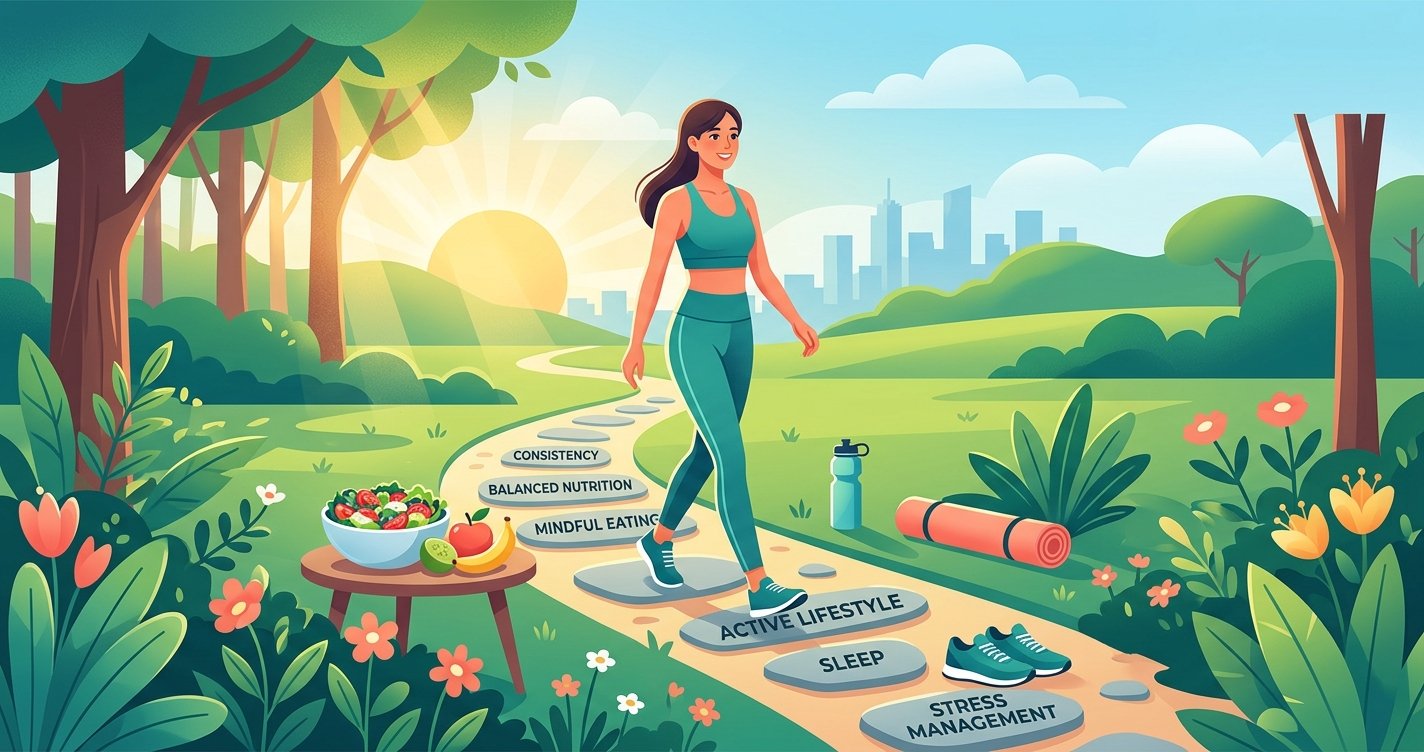
Have you ever felt caught in the frustrating cycle of quick-fix diets? You cut calories drastically, lose weight rapidly, only to regain it (and sometimes more) once the diet ends. It's a common story, and it's exhausting. The good news? There's a better way. This isn't about deprivation or extreme measures; it's about understanding your body and building habits that lead to lasting fat loss and improved health. Welcome to the world of sustainable fat loss – a journey focused on gentle, evidence-based strategies that respect your body and mind.
Why Crash Diets Always Fail (and What They Cost You)
Before we dive into what works, let's understand why the quick fixes don't. Crash diets, characterized by severe calorie restriction and often eliminating entire food groups, might offer initial rapid weight loss, but this comes at a significant cost. this excellent wellness product
The Yo-Yo Cycle: Metabolism and Muscle Loss
When you drastically reduce calories, your body perceives it as starvation. Your metabolism slows down to conserve energy, and a significant portion of the weight you lose isn't just fat, but precious muscle mass. Muscle is metabolically active, meaning it burns more calories at rest than fat. Losing muscle makes it harder to keep weight off in the long run, setting you up for the dreaded 'yo-yo' effect where weight is regained, often with an even higher body fat percentage.
Mental & Emotional Toll: Food Obsession and Guilt
Extreme restriction often leads to intense cravings, food obsession, and a constant battle against hunger. This can foster feelings of guilt, shame, and a negative relationship with food, potentially leading to disordered eating patterns. It's simply not a sustainable or healthy way to live.
Nutrient Deficiencies: The Health Risks
Cutting out vast amounts of food groups can lead to deficiencies in essential vitamins, minerals, and macronutrients. This can impact energy levels, immune function, hormonal balance, and overall health, leaving you feeling sluggish and unwell rather than vibrant.
The Foundation of Sustainable Fat Loss: A Gentle Calorie Deficit
At its core, fat loss requires creating a calorie deficit – consuming fewer calories than your body expends. However, the key word here is 'gentle'.
Understanding Energy Balance: Calories In vs. Calories Out
Your body needs a certain amount of energy (calories) to function. If you consistently provide slightly less energy than your body needs, it will start to tap into its stored energy (fat) to make up the difference. This is a fundamental principle, but the execution matters.
How to Create a Smart Deficit: Gradual Reduction, Not Deprivation
Instead of aiming for a massive deficit, which triggers the 'starvation response', aim for a modest one (e.g., 300-500 calories below your maintenance level). This allows for steady fat loss while preserving muscle mass and keeping your metabolism ticking. You won't feel deprived, and it's much easier to stick to long-term.
Fueling Your Body Right: Nutrition for Lasting Results
Sustainable fat loss isn't about eating less; it's about eating better. Prioritizing nutrient-dense, whole foods is crucial.
The Power of Protein: Satiety, Muscle Preservation, Thermic Effect
- Satiety: Protein is the most satiating macronutrient, helping you feel fuller for longer and reducing overall calorie intake.
- Muscle Preservation: Adequate protein intake is vital for preserving muscle mass during a calorie deficit, which helps maintain a healthy metabolism.
- Thermic Effect: Protein has a higher thermic effect of food (TEF) than carbs or fats, meaning your body burns more calories digesting and metabolizing it.
Aim for a protein source with every meal, such as lean meats, poultry, fish, eggs, dairy, legumes, or tofu.
Embracing Whole Foods: Fiber, Micronutrients, Sustained Energy
Focus on unprocessed foods like fruits, vegetables, whole grains, nuts, and seeds. These foods are packed with fiber, which aids digestion, promotes fullness, and helps regulate blood sugar. They also provide essential vitamins and minerals, supporting overall health and energy levels.
Healthy Fats & Smart Carbs: Essential for Hormones and Energy
Don't fear fats or carbs! Healthy fats (avocado, nuts, seeds, olive oil) are crucial for hormone production, nutrient absorption, and satiety. Complex carbohydrates (oats, quinoa, sweet potatoes) provide sustained energy for workouts and daily activities without spiking blood sugar.
Move Your Body, Build Your Strength: Exercise for Fat Loss
While nutrition is paramount, exercise plays a critical role in accelerating fat loss, improving body composition, and boosting overall health.
Strength Training: The Metabolism Booster
Engaging in strength training (lifting weights, bodyweight exercises) 2-3 times a week is incredibly effective. It builds and maintains muscle mass, which as we discussed, directly impacts your resting metabolic rate. More muscle means you burn more calories even when you're not working out!
Cardio for Heart Health & Calorie Burn
Incorporate a mix of cardiovascular exercises like brisk walking, jogging, cycling, or swimming. Cardio burns calories, improves heart health, and can reduce stress. Find activities you enjoy to ensure consistency.
NEAT: The Unsung Hero
Non-Exercise Activity Thermogenesis (NEAT) refers to the calories you burn through everyday movements not related to structured exercise. Think walking more, taking the stairs, standing while working, or even fidgeting. Increasing your NEAT can significantly contribute to your overall calorie expenditure.
Beyond Diet & Exercise: The Lifestyle Pillars
Sustainable fat loss extends beyond just what you eat and how much you move. Your lifestyle habits play a huge role.
Prioritize Sleep: Hormonal Regulation
Lack of sleep can wreak havoc on your hunger hormones. It increases ghrelin (the hunger hormone) and decreases leptin (the satiety hormone), making you feel hungrier and less satisfied. Aim for 7-9 hours of quality sleep per night.
Manage Stress: Cortisol and Fat Storage
Chronic stress elevates cortisol levels, a hormone that can promote fat storage, particularly around the abdomen. Find healthy ways to manage stress, such as meditation, yoga, spending time in nature, or hobbies.
Hydration: Often Overlooked, Crucial for Metabolism
Drinking enough water is essential for countless bodily functions, including metabolism. Sometimes, thirst can be mistaken for hunger, leading to unnecessary snacking. Aim for plenty of water throughout the day.
Mindful Eating: Listening to Your Body
Practice mindful eating by paying attention to your body's hunger and fullness cues. Eat slowly, savor your food, and put away distractions. This helps you recognize when you're truly hungry and when you're satisfied, preventing overeating.
Building Habits for a Lifetime: Consistency Over Perfection
The journey to sustainable fat loss is a marathon, not a sprint. It's about making small, consistent changes that you can maintain indefinitely.
Small, Consistent Changes: Sustainable Progress
Don't try to overhaul everything at once. Start with one or two changes, like adding a protein source to breakfast or taking a 20-minute walk daily. Once those become habits, add another. These small wins build momentum.
Set Realistic Goals: Focus on Health, Not Just the Scale
Shift your focus from solely the number on the scale to other markers of progress: increased energy, better sleep, stronger workouts, clothes fitting better, and improved mood. Body composition changes (losing fat, gaining muscle) might not always reflect dramatically on the scale.
Embrace Flexibility: Life Happens, Don't Give Up
There will be days when you deviate from your plan, special occasions, or simply days you don't feel like it. That's okay! Don't let one 'off' day derail your entire progress. Acknowledge it, learn from it, and get back on track with your next meal or workout. Consistency over perfection is the key.
Conclusion
Ditching the crash diets for good is one of the best decisions you can make for your long-term health and well-being. Sustainable fat loss is about nourishing your body, moving it joyfully, prioritizing rest, and managing stress. It’s a holistic approach that empowers you to achieve lasting results, feel incredible, and build a positive, lifelong relationship with food and your body. Start small, be patient, and celebrate every step of your journey. Your body will thank you!