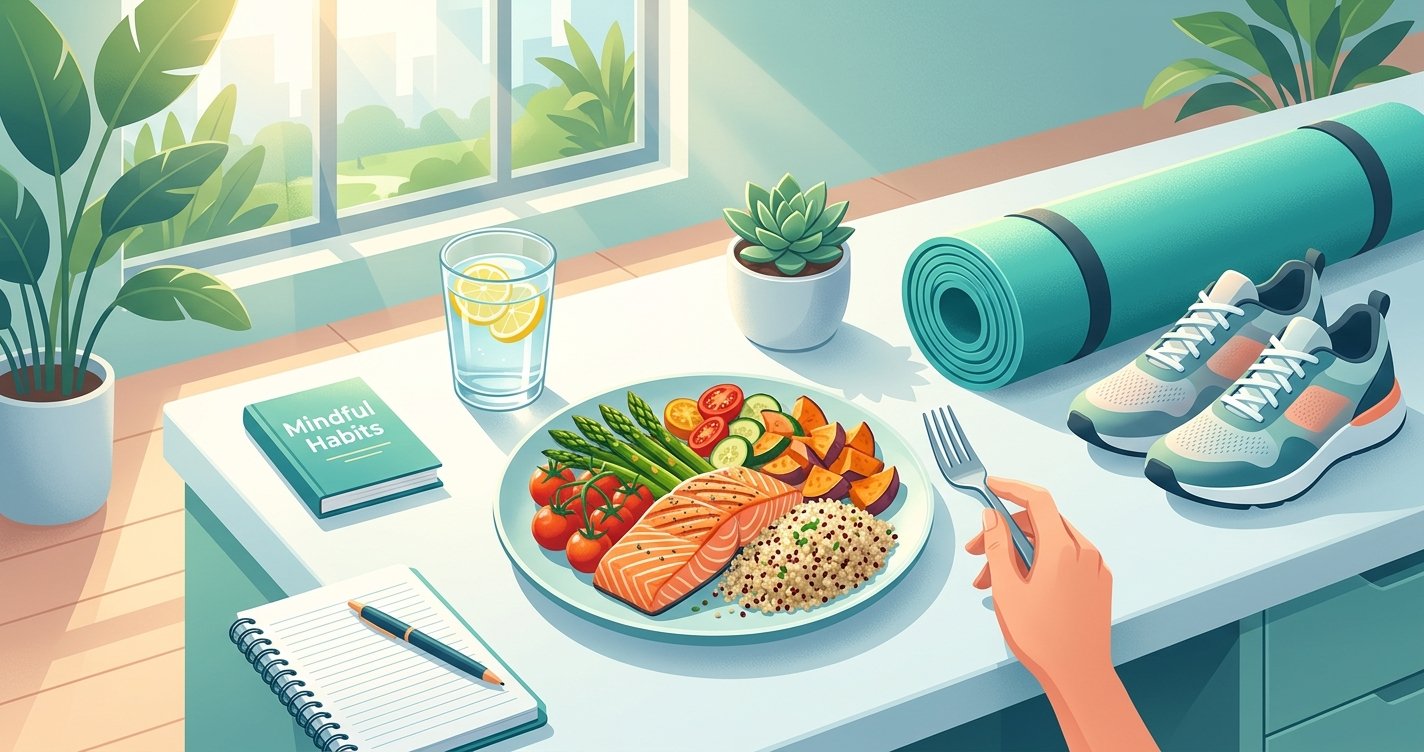
In a world obsessed with quick fixes and overnight transformations, it’s easy to get sucked into the allure of extreme diets promising rapid fat loss. But let’s be honest: how many of those ever truly stick? Most crash diets leave us feeling deprived, exhausted, and often lead right back to where we started, sometimes even heavier. If you’re tired of the endless cycle of restriction and rebound, you’re in the right place. This post is all about empowering you to achieve sustainable fat loss – the kind that lasts, feels good, and doesn’t require you to eat nothing but celery sticks for weeks on end. We're going to dive into evidence-based strategies that prioritize your health, happiness, and long-term success, without resorting to drastic measures.
Beyond the Quick Fix: Why Crash Diets Fail (and What to Do Instead)
The appeal of losing 10 pounds in a week is undeniable. However, the reality of crash diets is often grim. They typically involve severe calorie restriction, cutting out entire food groups, or relying on questionable supplements. While you might see initial weight loss, much of it is often water weight or even muscle loss, not just fat. Here’s why these approaches are a recipe for disaster: this excellent wellness product
- Metabolic Slowdown: Your body is smart. When you drastically cut calories, it perceives starvation and slows down your metabolism to conserve energy, making future fat loss even harder.
- Muscle Loss: Insufficient protein and calories, especially without strength training, can lead to your body breaking down muscle for energy. Muscle is metabolically active, meaning it burns more calories at rest. Losing it works against your fat loss goals.
- Nutrient Deficiencies: Restrictive diets often lack essential vitamins and minerals, impacting energy levels, mood, and overall health.
- Unsustainability & Rebound: No one can sustain extreme restriction forever. Eventually, willpower wanes, leading to binges and regaining the lost weight, often with extra fat due to a slower metabolism. This creates a frustrating yo-yo effect.
Instead of battling your body, we’re going to work with it. Sustainable fat loss focuses on gradual, consistent changes that you can comfortably maintain for life. It’s about building healthy habits, not just hitting a number on the scale.
The Foundation: Understanding Your Calorie Deficit (Without Starvation)
At its core, fat loss comes down to creating a calorie deficit: consistently consuming fewer calories than your body burns. However, there’s a massive difference between a moderate, healthy deficit and a starvation-level one. A sustainable calorie deficit doesn't mean eating next to nothing; it means making smart choices that allow you to feel satisfied while still promoting fat loss.
Think of it like this: if your body needs 2,000 calories to maintain its current weight, aiming for 1,500-1,800 calories per day creates a deficit of 200-500 calories. This smaller deficit is much more manageable, less likely to trigger metabolic slowdown, and easier to achieve through mindful eating rather than extreme restriction. You don't need to meticulously count every single calorie, but understanding portion sizes and the caloric density of foods is incredibly helpful. Focus on nutrient-dense foods that fill you up for fewer calories.
Fueling Your Fat Loss: The Power of Protein and Fiber
When you’re in a calorie deficit, what you eat becomes even more critical. Prioritizing protein and fiber is a game-changer for sustainable fat loss:
- Protein for Satiety & Muscle Preservation: Protein is the most satiating macronutrient, meaning it keeps you feeling fuller for longer. This is crucial for managing hunger and preventing overeating. Furthermore, adequate protein intake is vital for preserving lean muscle mass during a calorie deficit, which helps maintain your metabolism. Aim for a protein source with every meal.
- Fiber for Digestion & Fullness: Fiber-rich foods (fruits, vegetables, whole grains, legumes) add bulk to your meals, helping you feel full without adding many calories. Fiber also supports digestive health and can help regulate blood sugar levels, preventing energy crashes and cravings.
Smart Choices: Opt for lean protein sources like chicken breast, turkey, fish, eggs, Greek yogurt, lentils, and beans. Load up on a variety of colorful vegetables, and choose whole grains like oats, quinoa, and brown rice over refined grains.
Smart Movement, Not Just More Movement: Exercise for Fat Loss
While nutrition is paramount, exercise plays a crucial supporting role in sustainable fat loss. But forget the idea that you need to spend hours on a treadmill every day. Smart movement focuses on effectiveness and enjoyment.
- Strength Training is Your Best Friend: Building and maintaining muscle is incredibly important for fat loss. Muscle tissue burns more calories at rest than fat tissue, meaning a more muscular body has a higher resting metabolism. Aim for 2-3 full-body strength training sessions per week. You can use weights, resistance bands, or even just your body weight.
- Cardio for Health & Calorie Burn: Cardiovascular exercise is excellent for heart health, endurance, and can contribute to your calorie deficit. However, it's often overemphasized as the sole tool for fat loss. Incorporate activities you enjoy – brisk walking, cycling, swimming, dancing, hiking. Aim for at least 150 minutes of moderate-intensity cardio per week.
- NEAT (Non-Exercise Activity Thermogenesis): Don’t underestimate the power of simply moving more throughout your day. Take the stairs, park further away, walk during phone calls, do some light stretching. These small bursts of activity add up!
The key is finding activities you genuinely enjoy and can stick with consistently. Exercise should feel like a celebration of what your body can do, not a punishment.
The Unsung Heroes: Sleep, Stress, and Hydration
Often overlooked, these three factors can significantly impact your fat loss journey, regardless of how perfectly you eat or exercise.
- Sleep for Hormone Balance: Poor sleep disrupts hormones that regulate appetite and fat storage. Lack of sleep increases ghrelin (the hunger hormone) and decreases leptin (the satiety hormone), making you feel hungrier and less satisfied. It also raises cortisol, the stress hormone, which can promote fat storage, especially around the abdomen. Aim for 7-9 hours of quality sleep per night.
- Managing Stress for Fewer Cravings: Chronic stress also elevates cortisol levels. High cortisol can lead to increased cravings for high-calorie, sugary foods and can make it harder for your body to release stored fat. Find healthy ways to manage stress: meditation, yoga, spending time in nature, hobbies, or simply deep breathing exercises.
- Hydration for Metabolism & Fullness: Water is essential for countless bodily functions, including metabolism. Sometimes, our bodies confuse thirst with hunger, leading us to eat when we simply need to drink. Staying well-hydrated can also help you feel fuller between meals. Aim for at least 8 glasses of water a day, more if you’re active.
Building Sustainable Habits: Consistency Over Perfection
Sustainable fat loss isn't about being perfect; it's about being consistent. Here are some practical tips to help you build habits that last:
- Mindful Eating: Pay attention to your body’s hunger and fullness cues. Eat slowly, savor your food, and avoid distractions. This helps you recognize when you’re truly satisfied and prevents overeating.
- Portion Control: Learn what a healthy portion looks like. Use smaller plates, measure out servings initially, and practice listening to your body.
- Meal Planning & Preparation: Planning your meals and doing some prep ahead of time can significantly reduce the chances of making impulsive, unhealthy food choices when you’re hungry and short on time.
- Non-Scale Victories: Don’t let the scale be your only measure of success. Celebrate increased energy, better sleep, clothes fitting better, improved mood, stronger workouts, and overall feelings of well-being. These are often more indicative of true progress.
- Be Patient & Kind to Yourself: Fat loss is not a linear journey. There will be plateaus, off days, and times when you feel frustrated. This is normal! Don't let one slip-up derail your entire progress. Get back on track with your next meal or workout. Self-compassion is key.
Embrace the journey, trust the process, and remember that slow and steady truly wins the race when it comes to lasting fat loss.
Embrace Your Journey to Lasting Health
Let’s recap: sustainable fat loss isn't about deprivation or quick fixes; it's about making informed, consistent choices that support your body and mind. By focusing on a moderate calorie deficit, prioritizing protein and fiber, incorporating smart strength training, and nurturing your sleep, stress levels, and hydration, you’re setting yourself up for success that goes far beyond the number on the scale. This is about building a healthier, stronger, and more vibrant you – for life. Start small, be patient, and celebrate every step of your incredible journey. You’ve got this!