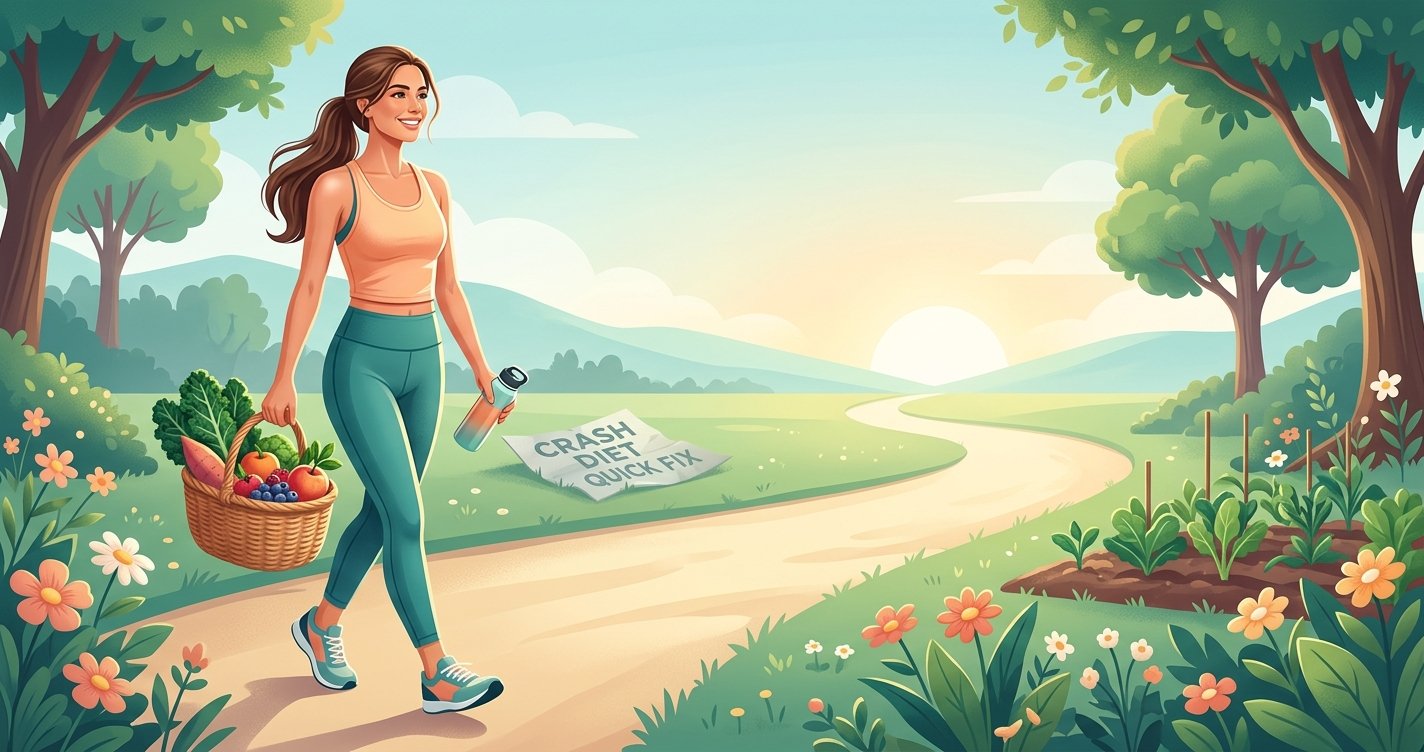
In a world obsessed with instant gratification, the allure of quick-fix diets and rapid fat loss promises can be incredibly strong. We’ve all seen them: the 'lose 10 pounds in a week' headlines, the extreme detoxes, and the restrictive meal plans. While these methods might offer a fleeting glimpse of success on the scale, they often lead to a frustrating cycle of deprivation, rebound weight gain, and ultimately, a damaged relationship with food and your body. But what if there was a better way? A path to fat loss that not only delivers real results but also promotes long-term health, happiness, and vitality?
Welcome to the world of sustainable fat loss. This isn't about crash diets; it's about cultivating healthy habits that empower you to shed excess body fat, maintain your progress, and feel your best for years to come. It’s an evidence-based, encouraging approach that respects your body's physiology and your mental well-being. Let's explore how you can break free from the cycle of quick fixes and embark on a journey to lasting change. this excellent wellness product
The Problem with Quick Fixes: Why Crash Diets Fail
Before we dive into what works, it’s crucial to understand why most extreme diets are doomed to fail. They often promise the moon but deliver only temporary relief, followed by familiar disappointment.
Metabolic Slowdown and Muscle Loss
When you drastically cut calories, your body perceives this as a famine. In response, your metabolism slows down to conserve energy, making it harder to lose fat. Worse still, extreme calorie restriction often leads to muscle loss, not just fat. Muscle is metabolically active tissue, meaning it burns more calories at rest than fat does. Losing muscle further slows your metabolism, creating a vicious cycle where it becomes increasingly difficult to lose weight and easier to regain it.
The Yo-Yo Cycle and Mental Toll
Crash diets are inherently unsustainable. They require immense willpower to adhere to restrictive rules, often leading to feelings of deprivation and intense cravings. Eventually, most people 'fall off the wagon,' leading to overeating and rapid weight regain – often surpassing the initial weight. This 'yo-yo' effect isn't just physically taxing; it's incredibly damaging to your self-esteem and can foster an unhealthy relationship with food, turning eating into a source of guilt and anxiety.
Building Your Sustainable Fat Loss Foundation: The Core Principles
Sustainable fat loss isn't about perfection; it's about consistency and making informed choices that nourish your body and mind. Here are the foundational principles.
Gentle Calorie Deficit: Not Too Much, Not Too Little
At its heart, fat loss still comes down to consuming slightly fewer calories than you burn. However, the key word here is 'slightly.' A moderate deficit (typically 300-500 calories below your maintenance needs) allows your body to tap into fat stores for energy without triggering drastic metabolic slowdown or causing excessive hunger. Focus on nutrient-dense, whole foods that keep you feeling full and satisfied, rather than relying on sheer willpower to resist cravings.
Prioritize Protein: Your Satiety and Muscle Ally
Protein is a superpower for sustainable fat loss. It's the most satiating macronutrient, meaning it helps you feel fuller for longer, reducing overall calorie intake. Furthermore, adequate protein intake (aim for 0.7-1 gram per pound of body weight) is crucial for preserving muscle mass during a calorie deficit. Higher protein intake also has a slightly higher thermic effect, meaning your body expends more energy to digest and metabolize it. Incorporate lean meats, poultry, fish, eggs, dairy, legumes, and tofu into every meal.
Embrace Whole Foods: Fueling Your Body Right
Think colorful fruits and vegetables, lean proteins, healthy fats, and complex carbohydrates. These foods are packed with vitamins, minerals, fiber, and antioxidants, providing sustained energy, improving satiety, and supporting overall health. They are naturally lower in calories for their volume compared to highly processed foods, making it easier to manage your calorie intake without feeling deprived. Swap refined grains for whole grains, sugary drinks for water, and processed snacks for fruit or nuts.
Move Your Body Smart: Exercise for Lasting Results
Exercise isn't just about burning calories; it's about building a stronger, healthier, and more metabolically active body. It's a cornerstone of sustainable fat loss, not a punishment for eating.
Strength Training: Your Metabolic Powerhouse
If you're not lifting weights, you're missing out on a huge piece of the fat loss puzzle. Building and maintaining muscle mass is critical because muscle tissue burns more calories at rest than fat tissue. This means a more muscular body has a higher resting metabolic rate, making it easier to create and maintain a calorie deficit. Aim for 2-4 strength training sessions per week, focusing on compound movements that work multiple muscle groups.
Cardio for Heart Health and Calorie Burn
While strength training builds the engine, cardiovascular exercise helps burn additional fuel. Regular cardio improves heart health, increases endurance, and contributes to your daily calorie expenditure. Whether you enjoy brisk walking, jogging, cycling, swimming, or dancing, find activities you genuinely enjoy and aim for 150-300 minutes of moderate-intensity cardio per week.
The Power of NEAT (Non-Exercise Activity Thermogenesis)
Don't underestimate the power of everyday movement! NEAT refers to the calories burned from activities other than structured exercise, like walking, fidgeting, taking the stairs, or doing housework. These small movements add up significantly over the course of a day and can play a crucial role in overall calorie expenditure. Look for opportunities to move more throughout your day – park further away, take standing breaks, or walk during phone calls.
The Unsung Heroes: Sleep, Stress, and Hydration
Often overlooked, these lifestyle factors can make or break your fat loss efforts, regardless of how perfectly you're eating and exercising.
Quality Sleep: Crucial for Hormone Balance
Sleep deprivation wreaks havoc on your hunger hormones. Lack of sleep increases ghrelin (the hunger hormone) and decreases leptin (the satiety hormone), making you feel hungrier and less satisfied. It also elevates cortisol (the stress hormone), which can promote fat storage, particularly around the midsection. Aim for 7-9 hours of quality sleep per night to support optimal hormone function and decision-making.
Stress Management: Taming Cortisol
Chronic stress, like lack of sleep, keeps cortisol levels elevated. High cortisol can increase appetite, cravings for sugary and fatty foods, and promote abdominal fat accumulation. Incorporate stress-reducing practices into your daily routine, such as meditation, yoga, deep breathing exercises, spending time in nature, or engaging in hobbies you love. Managing stress isn't a luxury; it's a necessity for sustainable fat loss.
Hydration: Simple Yet Powerful
Staying adequately hydrated is fundamental to overall health and can support fat loss. Water plays a role in numerous metabolic processes, helps transport nutrients, and can even aid in satiety. Sometimes, what feels like hunger is actually thirst. Aim to drink plenty of water throughout the day, and consider having a glass before meals to help manage portion sizes.
Cultivating a Mindset for Success: Beyond the Scale
Your mental approach to fat loss is just as important as your diet and exercise plan. This journey is about self-care, not self-punishment.
Patience and Consistency: The True Secret
Sustainable fat loss takes time. There will be weeks when the scale doesn't budge, or even fluctuates upwards. This is normal. Focus on consistency with your habits rather than fixating solely on the number on the scale. Celebrate non-scale victories – improved energy, better sleep, stronger lifts, clothes fitting better. These are true indicators of progress and health.
Mindful Eating: Listening to Your Body
Shift your focus from strict rules to tuning into your body's signals. Practice mindful eating by paying attention to your hunger and fullness cues, savoring your food, and eating without distractions. This helps you develop a healthier relationship with food, preventing overeating and fostering intuitive eating habits that last a lifetime.
Self-Compassion and Flexibility
No one is perfect, and you will have days where you deviate from your plan. Instead of letting a slip-up derail you completely, practice self-compassion. Acknowledge it, learn from it, and get back on track with your next meal or workout. Flexibility is key; sustainable fat loss allows for occasional treats and social events without guilt, as long as your overall habits are consistent.
Your Journey to Lasting Fat Loss Starts Now
Ditching the allure of crash diets and embracing a sustainable approach to fat loss is perhaps the most empowering decision you can make for your health. It’s not about quick fixes; it’s about slow, steady, and consistent progress that builds a foundation for lifelong well-being. By focusing on a gentle calorie deficit, prioritizing protein and whole foods, incorporating smart exercise (especially strength training), and optimizing sleep, stress, and hydration, you're not just losing fat – you're building a healthier, stronger, and more resilient you.
Remember, this is a journey of self-discovery and self-care. Be patient, be consistent, and most importantly, be kind to yourself. Your body will thank you for it with lasting results and a renewed sense of vitality. What small, sustainable change will you implement today?