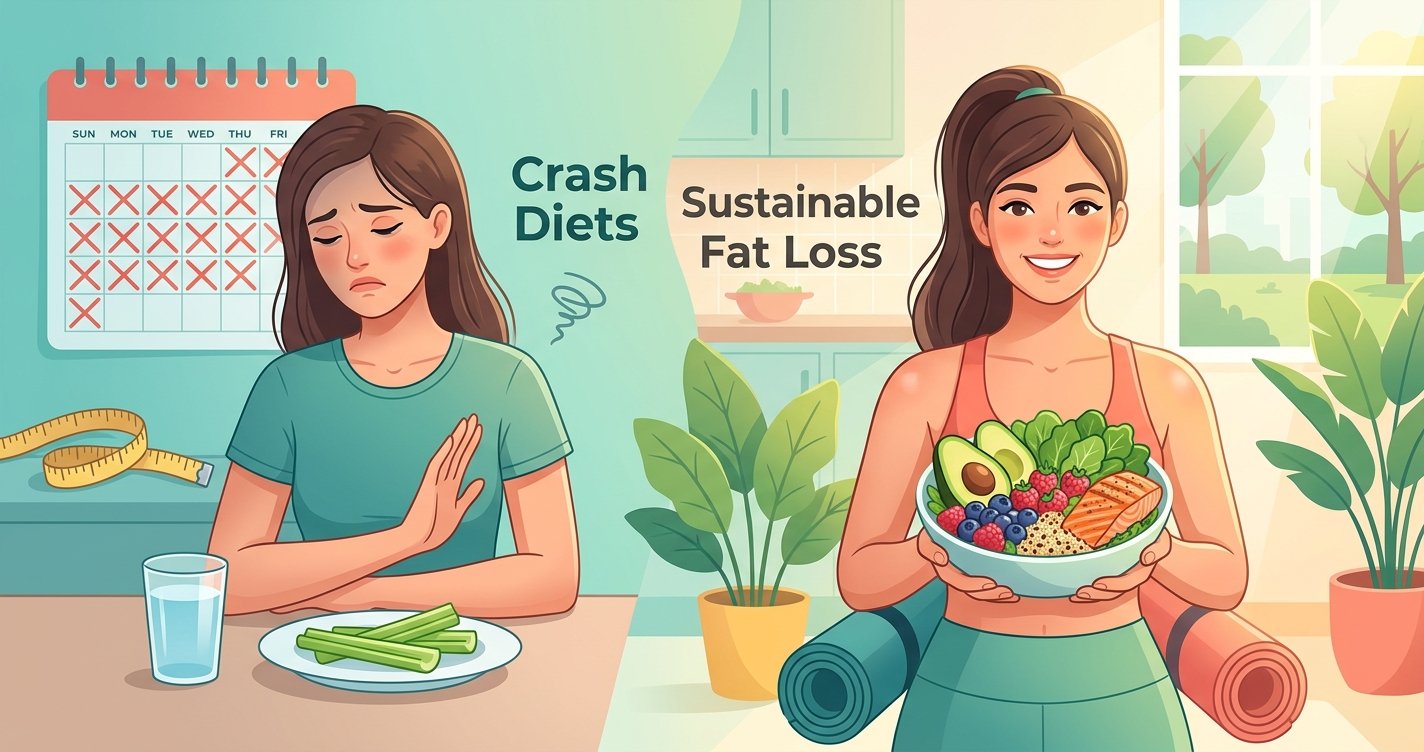
Unlock Sustainable Fat Loss: Ditch Crash Diets, Embrace Lasting Results!
Are you tired of the yo-yo dieting cycle? Do you feel frustrated by quick-fix solutions that promise rapid weight loss only to leave you heavier and more discouraged than before? You’re not alone. The journey to fat loss can often feel like a confusing maze, filled with conflicting advice and unrealistic expectations.
But what if there was a better way? A path that focuses not just on shedding pounds, but on building a healthier, stronger you, for good? Welcome to the world of sustainable fat loss – an evidence-based, encouraging approach designed to help you not only reach your goals but maintain them long-term. Forget deprivation and extreme measures; it’s time to embrace strategies that nourish your body, respect your metabolism, and fit seamlessly into your life. this excellent wellness product
Why Crash Diets Fail (And What to Do Instead)
The allure of losing 10 pounds in a week is powerful, but crash diets are a trap. While they might deliver initial rapid weight loss, much of it is often water and even precious muscle mass, not just fat. Here’s why they typically backfire:
- Metabolic Slowdown: When you drastically cut calories, your body perceives it as a famine and slows down your metabolism to conserve energy. This makes it harder to lose weight and easier to regain it once you return to normal eating.
- Muscle Loss: Severe calorie restriction, especially without adequate protein and strength training, can lead to muscle breakdown. Muscle is metabolically active tissue, meaning it burns more calories at rest. Losing it further reduces your resting metabolic rate.
- Nutrient Deficiencies: Crash diets often restrict entire food groups, leading to a lack of essential vitamins and minerals crucial for overall health and energy.
- Unsustainable Habits: These diets are typically miserable and impossible to stick to for the long haul. Once you 'fall off the wagon,' the restrictive mindset often leads to overeating and rebound weight gain, often referred to as the 'yo-yo effect.'
The Sustainable Solution: A Moderate Calorie Deficit. Instead of drastic cuts, aim for a modest calorie deficit (e.g., 300-500 calories less than your maintenance needs). This allows your body to lose fat gradually while preserving muscle and minimizing metabolic slowdown. It’s a marathon, not a sprint.
The Cornerstone of Success: Nutrition That Nourishes
You don't need to starve yourself to lose fat; you need to nourish yourself wisely. Sustainable fat loss is built on a foundation of whole, unprocessed foods that provide satiety, essential nutrients, and stable energy levels.
Prioritize Protein and Fiber
- Protein Power: Protein is your best friend for fat loss. It's incredibly satiating, helping you feel fuller for longer and reducing cravings. It also has a higher thermic effect of food (TEF), meaning your body burns more calories digesting it. Aim for a protein source at every meal: lean meats, poultry, fish, eggs, dairy, legumes, and tofu.
- Fiber-Rich Foods: Found in fruits, vegetables, whole grains, and legumes, fiber adds bulk to your meals, aiding digestion and promoting fullness. It also helps stabilize blood sugar levels, preventing energy crashes and subsequent cravings.
Embrace Whole, Minimally Processed Foods
Focus on nutrient-dense foods rather than 'diet' foods. Think colorful vegetables, fresh fruits, lean proteins, healthy fats (avocado, nuts, seeds, olive oil), and complex carbohydrates (oats, quinoa, sweet potatoes). These foods provide essential nutrients, keep you satisfied, and support overall health.
Hydration and Mindful Eating
Don't underestimate the power of water! Staying well-hydrated can help manage appetite and support metabolic functions. Furthermore, practice mindful eating: eat slowly, savor your food, and pay attention to your body's hunger and fullness cues. This helps prevent overeating and fosters a healthier relationship with food.
Move Your Body, Fuel Your Metabolism: Exercise for Fat Loss
Exercise isn't just about burning calories; it's about building a more efficient, fat-burning machine. For sustainable fat loss, a balanced approach combining strength training and cardiovascular exercise is key.
Strength Training: Your Metabolic Supercharger
If there's one type of exercise you should prioritize for fat loss, it's strength training. Building and maintaining muscle mass is crucial because:
- Boosts Resting Metabolism: Muscle tissue burns more calories at rest than fat tissue. The more muscle you have, the higher your resting metabolic rate (RMR), meaning you burn more calories even when you're not exercising.
- Shapes Your Body: Beyond the scale, strength training helps sculpt your physique, giving you a toned and strong appearance.
- Prevents Muscle Loss: During a calorie deficit, strength training signals to your body that you need to retain muscle, ensuring that the weight you lose is primarily fat.
Aim for 2-4 sessions of full-body strength training per week, focusing on compound movements (squats, deadlifts, presses, rows).
Cardiovascular Exercise: Heart Health and Calorie Burn
While strength training is paramount, cardio has its place. It improves cardiovascular health, boosts endurance, and contributes to your overall calorie deficit. Choose activities you enjoy – walking, jogging, cycling, swimming, dancing – and aim for 150-300 minutes of moderate-intensity cardio per week.
The key is consistency. Find activities you genuinely enjoy, as this dramatically increases your likelihood of sticking with them long-term.
The Unsung Heroes: Sleep and Stress Management
You can eat perfectly and train hard, but if you're neglecting sleep and drowning in stress, your fat loss efforts will be severely hampered. These often-overlooked factors play a critical role in hormonal balance and metabolic function.
The Power of Quality Sleep
Lack of sleep disrupts hormones that regulate appetite:
- Ghrelin (the 'hunger hormone') increases, making you feel hungrier.
- Leptin (the 'satiety hormone') decreases, meaning you don't feel full even after eating.
- Cortisol (the 'stress hormone') rises, which can lead to increased fat storage, particularly around the abdomen.
Aim for 7-9 hours of quality sleep per night. Create a relaxing bedtime routine, ensure your bedroom is dark and cool, and limit screen time before bed.
Taming the Stress Monster
Chronic stress, like sleep deprivation, elevates cortisol levels. This can not only encourage fat storage but also increase cravings for high-calorie, comfort foods. Finding healthy ways to manage stress is vital:
- Practice mindfulness or meditation.
- Spend time in nature.
- Engage in hobbies you enjoy.
- Connect with loved ones.
- Practice deep breathing exercises.
Remember, your mental well-being is just as important as your physical efforts in the journey to sustainable fat loss.
Mindset Matters: Cultivating a Sustainable Approach
Fat loss isn't just a physical transformation; it's a mental one. Cultivating the right mindset is crucial for navigating challenges and ensuring long-term success.
Patience and Persistence
Sustainable fat loss takes time. There will be plateaus, setbacks, and moments of frustration. Understand that progress isn't linear. Celebrate small victories, focus on consistent effort, and trust the process.
Self-Compassion, Not Perfection
Don't strive for perfection; strive for consistency. If you have an off-meal or miss a workout, don't let it derail your entire journey. Forgive yourself, learn from it, and get back on track with your next meal or workout. Be kind to yourself, just as you would a friend.
Focus on Habits, Not Just the Scale
While the scale can be a useful tool, it doesn't tell the whole story. Focus on building healthy habits – consistent exercise, nutritious eating, good sleep. These habits will lead to lasting results, regardless of daily scale fluctuations. Track non-scale victories like increased energy, better sleep, clothes fitting differently, and improved mood.
Practical Tips for Everyday Success
Integrating these principles into your daily life might seem daunting, but a few practical strategies can make a big difference:
- Meal Prepping: Dedicate a few hours each week to prepare healthy meals and snacks in advance. This saves time and ensures you always have nutritious options readily available, reducing the likelihood of impulse, unhealthy choices.
- Smart Snacking: Keep healthy snacks on hand like fruit, nuts, Greek yogurt, or vegetable sticks with hummus to curb hunger between meals and prevent overeating.
- Stay Accountable: Whether it's a supportive friend, a coach, or a journal, having a way to track your progress and stay accountable can be incredibly motivating.
- Listen to Your Body: Pay attention to how different foods and exercises make you feel. Adjust your approach based on what works best for your unique body and lifestyle.
Your Journey to Lasting Health Begins Now
Sustainable fat loss isn't about deprivation; it's about empowerment. It's about understanding your body, nourishing it with respect, and moving it with purpose. By focusing on a moderate calorie deficit, protein-rich nutrition, consistent strength training, adequate sleep, and effective stress management, you're not just losing weight – you're building a foundation for a healthier, happier life.
Ditch the crash diets and embrace a journey that’s kind to your body and mind. The results won't just be visible on the scale; they'll be reflected in your energy, your mood, and your overall well-being. You have the power to create lasting change – one healthy habit at a time. Start today!