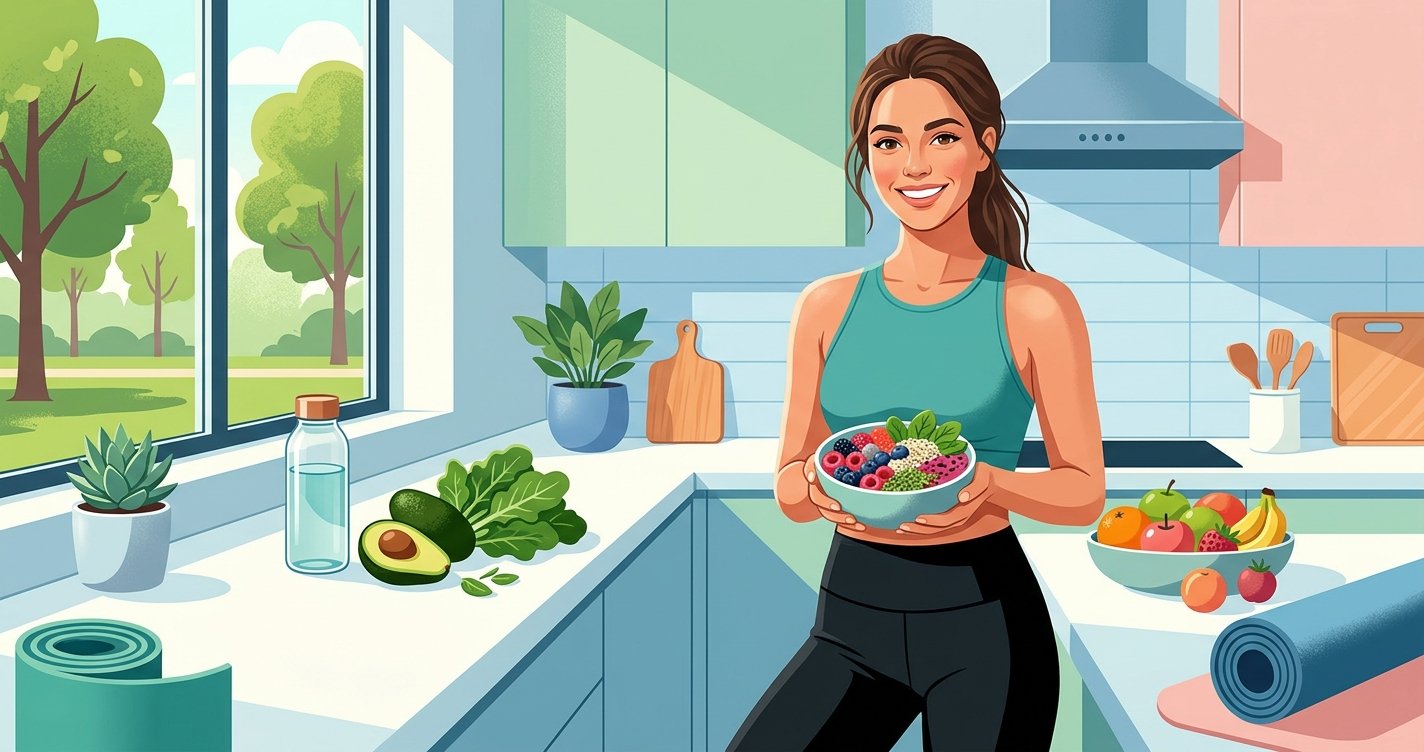
Sustainable Fat Loss: Ditch the Crash Diets, Embrace Lasting Results
Feeling trapped in the endless cycle of crash diets and fleeting results? You're not alone. The allure of quick fixes for fat loss is powerful, promising rapid transformations with minimal effort. But if you've been down that road, you know the harsh reality: these extreme approaches often lead to burnout, rebound weight gain, and a damaged relationship with food and your body. What if there was a better way? A path to fat loss that's not about deprivation, but about building habits that last, nourishing your body, and truly transforming your health for the long run? Good news: there is! This guide is for anyone ready to step off the yo-yo diet roller coaster and embark on a sustainable, evidence-based journey towards lasting fat loss and vibrant well-being. Let's explore how to achieve your goals without sacrificing your sanity or your health.
Why "Quick Fixes" Almost Always Fail in the Long Run
Before we dive into what works, let's understand why the tempting "lose 10 pounds in a week" promises almost always backfire. Crash diets typically involve drastically cutting calories, often to dangerously low levels, or eliminating entire food groups. While you might see initial weight loss, much of this is often water weight and even precious muscle mass, not just body fat. this excellent wellness product
- Metabolic Adaptation: Your body is smart. When faced with extreme calorie restriction, it senses starvation and tries to conserve energy by slowing down your metabolism. This makes it harder to lose fat and easier to regain weight once you resume normal eating.
- Muscle Loss: Muscle is metabolically active, meaning it burns more calories at rest than fat. Crash diets often lead to muscle breakdown, further hindering your fat loss efforts and making you feel weaker.
- Nutrient Deficiencies: Restrictive eating can deprive your body of essential vitamins, minerals, and macronutrients, leading to fatigue, poor immune function, and overall health problems.
- Psychological Burnout & Cravings: Extreme hunger and deprivation inevitably lead to intense cravings, emotional eating, and a feeling of failure when you eventually "give in." This sets the stage for the infamous yo-yo effect, where you regain lost weight (and often more) shortly after the diet ends.
The evidence is clear: sustainable fat loss isn't about how fast you can lose it, but how well you can keep it off. And that requires a different approach.
The Cornerstone: A Gentle Calorie Deficit You Can Live With
At its heart, fat loss boils down to a simple principle: you need to consume fewer calories than your body burns. This is known as a calorie deficit. However, the key to sustainability lies in making this deficit gentle and manageable, not extreme.
Instead of slashing calories dramatically, aim for a moderate deficit of 300-500 calories per day below your maintenance level. This allows your body to tap into its fat stores for energy without triggering a severe metabolic slowdown or intense hunger. You don't necessarily need to meticulously count every single calorie, but understanding portion sizes and the caloric density of foods is incredibly helpful.
How to Achieve a Gentle Deficit:
- Focus on Nutrient Density: Prioritize whole, unprocessed foods that offer a lot of nutrients for fewer calories.
- Small, Consistent Changes: Instead of cutting out everything you love, identify a few areas where you can easily reduce calories – perhaps swapping a sugary drink for water, reducing a portion of rice, or adding more vegetables to your plate.
This approach fosters consistency, which is far more powerful than sporadic perfection.
Fueling Your Body Smartly: Nutrition for Sustainable Fat Loss
Sustainable fat loss isn't about eating less; it's about eating better. Your food choices play a crucial role in managing hunger, preserving muscle, and boosting your metabolism.
Protein: Your Satiety Superstar
Protein is incredibly important for fat loss. It helps you feel full and satisfied, reducing the likelihood of overeating. Moreover, it's essential for preserving muscle mass during a calorie deficit, which helps keep your metabolism humming. Aim for a good source of lean protein with every meal: chicken breast, fish, lean beef, eggs, Greek yogurt, tofu, lentils, or beans.
Fiber: The Gut-Friendly Filler
Foods rich in fiber – like vegetables, fruits, whole grains, and legumes – add bulk to your meals without adding many calories. Fiber slows digestion, promotes satiety, and supports a healthy gut microbiome, all of which are beneficial for fat loss and overall health.
Healthy Fats: Essential for Hormones & Satiety
Don't fear fats! Healthy fats (found in avocados, nuts, seeds, olive oil, and fatty fish) are crucial for hormone production, nutrient absorption, and providing lasting satiety. While calorie-dense, a moderate amount of healthy fats can prevent cravings and keep you feeling full between meals.
Whole Carbohydrates: Fuel for Life
Opt for whole, unprocessed carbohydrates like oats, quinoa, brown rice, sweet potatoes, and whole-grain bread over refined carbs (white bread, pastries, sugary cereals). Whole carbs provide sustained energy, fiber, and essential nutrients without the blood sugar spikes and crashes that can lead to cravings.
Mindful Eating Principles
Beyond what you eat, how you eat matters. Practice mindful eating by paying attention to your body's hunger and fullness cues. Eat slowly, savor your food, and avoid distractions. This helps you recognize when you're truly satisfied, preventing overconsumption.
Move Beyond the Treadmill: Smart Exercise for Fat Loss & Body Composition
While nutrition is paramount, exercise is your powerful ally in sustainable fat loss. But it's not just about endless cardio.
Strength Training: Build Muscle, Boost Metabolism
Strength training (lifting weights, bodyweight exercises) is arguably the most effective form of exercise for fat loss. It helps build and preserve muscle mass, which directly increases your resting metabolic rate – meaning you burn more calories even when you're not exercising. Aim for 2-3 full-body strength training sessions per week.
NEAT: Non-Exercise Activity Thermogenesis
NEAT refers to the calories you burn through everyday movements that aren't formal exercise – walking, standing, fidgeting, taking the stairs. Increasing your NEAT can significantly contribute to your daily calorie expenditure. Park further away, take walk breaks, use a standing desk, or play with your kids more actively.
Moderate Cardio for Heart Health & Calorie Burn
Don't ditch cardio entirely! Regular moderate-intensity cardio (like brisk walking, cycling, or swimming) improves cardiovascular health and contributes to your calorie deficit. Aim for 150-300 minutes of moderate cardio per week, or shorter bursts of higher intensity if you prefer.
Find Movement You Enjoy
Consistency is key, and you're far more likely to stick with an activity you genuinely enjoy. Experiment with different forms of exercise until you find what makes you feel good and keeps you motivated.
The Often-Overlooked Pillars: Sleep, Stress, and Hydration
Sustainable fat loss isn't just about food and exercise. Your lifestyle habits play a massive, often underestimated, role.
Prioritize Quality Sleep
Lack of sleep messes with your hunger hormones. When you're sleep-deprived, your body produces more ghrelin (the hunger hormone) and less leptin (the satiety hormone). This can lead to increased cravings, especially for high-calorie foods, and makes it harder to stick to your nutrition goals. Aim for 7-9 hours of quality sleep per night.
Manage Stress Effectively
Chronic stress triggers the release of cortisol, a hormone that can promote fat storage, especially around the abdomen. Find healthy ways to manage stress, such as meditation, yoga, spending time in nature, hobbies, or connecting with loved ones. Reducing stress can have a profound impact on your body composition.
Stay Adequately Hydrated
Drinking enough water is simple but powerful. Water helps you feel full, supports metabolism, and aids in nutrient transport. Sometimes, what you perceive as hunger is actually thirst. Aim for at least 8 glasses of water a day, more if you're active.
Building Lasting Habits: Consistency, Patience, and Self-Compassion
The journey to sustainable fat loss is a marathon, not a sprint. It's about building habits that become second nature, not following a temporary diet.
Start Small, Build Gradually
Don't try to overhaul everything at once. Pick one or two small, manageable changes you can consistently implement, like adding a serving of vegetables to dinner or taking a 15-minute walk daily. Once those become habits, add another.
Track Progress Beyond the Scale
The scale can be a useful tool, but it doesn't tell the whole story. Muscle gain, water fluctuations, and hormonal changes can mask fat loss. Also track non-scale victories: how your clothes fit, your energy levels, strength gains, improved sleep, better mood, and measurements. Celebrate these wins!
Embrace Imperfection, Practice Self-Compassion
There will be days when you don't eat perfectly or miss a workout. That's okay! Sustainable fat loss isn't about perfection; it's about consistency over time. Don't let one slip-up derail your entire journey. Learn from it, forgive yourself, and get back on track with your next meal or workout.
Listen to Your Body
Your body provides valuable feedback. Pay attention to how different foods make you feel, what types of exercise energize you, and when you need rest. This intuitive approach helps you tailor your journey to your unique needs.
Your Sustainable Fat Loss Roadmap: Key Takeaways
Ready to start building a healthier, happier you?
- Gentle Calorie Deficit: Aim for a moderate, sustainable reduction in calories (300-500 below maintenance).
- Nutrient-Dense Eating: Prioritize protein, fiber, healthy fats, and whole carbs. Practice mindful eating.
- Smart Exercise: Incorporate strength training (2-3x/week), increase NEAT, and enjoy moderate cardio.
- Holistic Health: Optimize sleep, manage stress, and stay hydrated.
- Habit Building: Focus on small, consistent changes. Be patient and kind to yourself.
Remember, this isn't about a temporary diet; it's about a lifestyle evolution. It's about empowering yourself with knowledge, making choices that nourish your body and mind, and building a foundation for lasting health and well-being. Your journey to sustainable fat loss starts now, one smart, consistent step at a time.