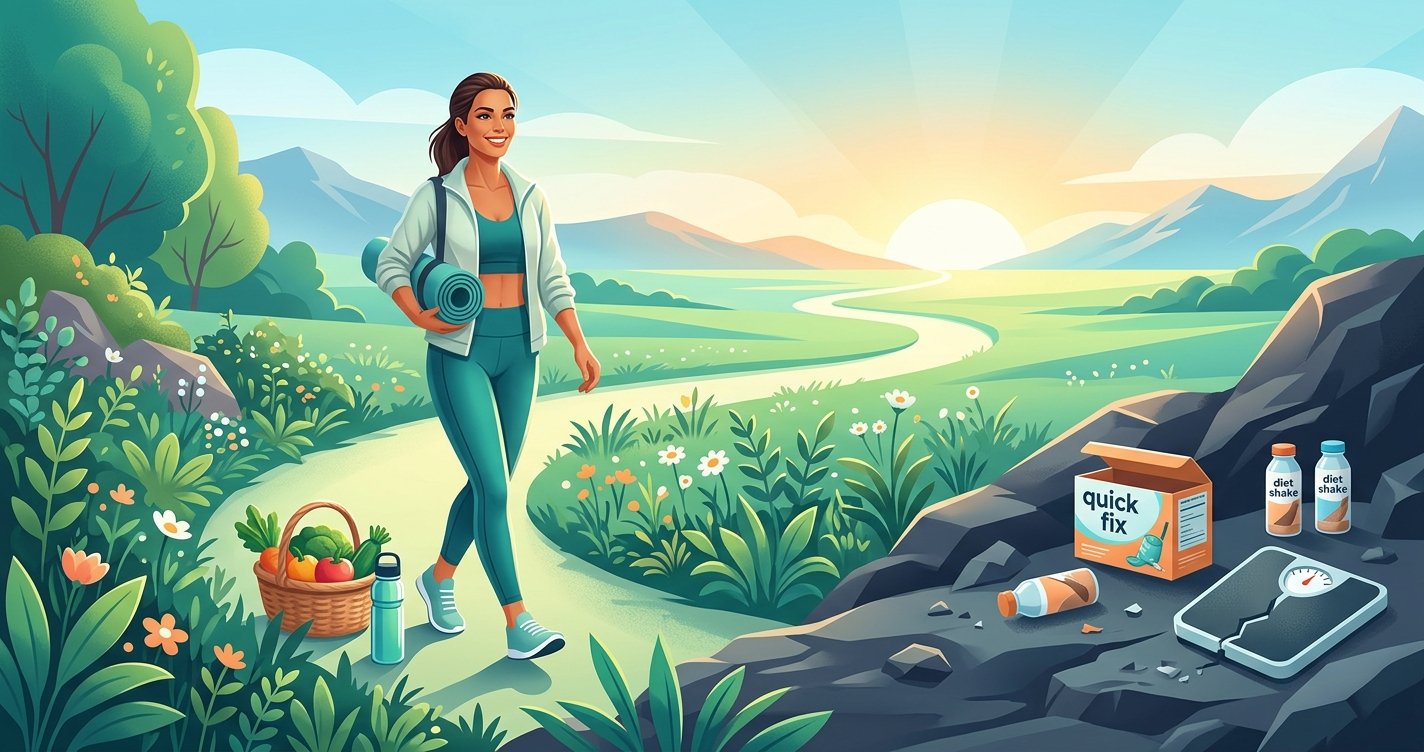
Tired of the Yo-Yo? Discover Sustainable Fat Loss That Actually Lasts!
We've all been there. The promise of rapid weight loss, the allure of a 'quick fix' diet that guarantees results in weeks. You jump in with enthusiasm, restrict your favorite foods, maybe even see some initial numbers drop on the scale. But then, inevitably, the cravings hit, the energy tanks, and before you know it, you're back where you started, often feeling worse than before. This frustrating cycle, known as 'yo-yo dieting,' isn't a failure on your part; it's a failure of the unsustainable approach.
But what if there was a better way? A path to fat loss that doesn't involve extreme deprivation, endless hunger, or sacrificing your social life? Good news: there is! Sustainable fat loss isn't about quick fixes; it's about building healthy habits, understanding your body, and making changes you can stick with for life. This evidence-based, friendly guide will empower you to break free from the diet cycle and achieve lasting results. Let's dive in! this excellent wellness product
Why Crash Diets Fail (And What to Do Instead)
The appeal of a crash diet is strong: fast results. However, this speed comes at a high cost. When you drastically cut calories, your body often responds by:
- Slowing Metabolism: Your body thinks it's starving and conserves energy, making it harder to burn fat.
- Muscle Loss: Instead of just fat, you often lose precious muscle mass, which is crucial for a healthy metabolism.
- Hormonal Imbalance: Hunger hormones like ghrelin spike, while satiety hormones like leptin drop, leading to intense cravings.
- Nutrient Deficiencies: Extreme restriction makes it difficult to get all the vitamins and minerals your body needs.
- Mental and Emotional Toll: Constant hunger, mood swings, and feelings of deprivation can lead to binge eating and a negative relationship with food.
Instead of a drastic cut, the key to sustainable fat loss lies in a moderate, consistent caloric deficit. This means consuming slightly fewer calories than your body burns, allowing your body to tap into its fat stores for energy without triggering a 'starvation response.' Aim for a deficit of 300-500 calories per day. This slower, steadier approach allows your body to adapt, preserves muscle, and is far more manageable mentally and emotionally.
The Power of Whole Foods: Fueling Your Body for Fat Loss
You don't need fancy diet foods or expensive supplements to lose fat. The foundation of sustainable fat loss nutrition is simple: focus on whole, unprocessed foods. These foods are rich in nutrients, fiber, and protein, which are essential for satiety, energy, and overall health.
Prioritize Protein
Protein is your secret weapon for fat loss. It's the most satiating macronutrient, meaning it keeps you feeling fuller for longer, reducing the likelihood of overeating. Protein also helps preserve muscle mass during a caloric deficit and has a higher thermic effect, meaning your body burns more calories digesting it.
- Good Sources: Lean meats (chicken, turkey, lean beef), fish, eggs, Greek yogurt, cottage cheese, legumes, tofu, protein powder.
Embrace Fiber-Rich Carbohydrates
Don't fear carbs! The right kind of carbohydrates, those rich in fiber, are vital for energy, digestive health, and satiety. Fiber slows down digestion, prevents blood sugar spikes, and keeps you feeling full.
- Good Sources: Whole grains (oats, quinoa, brown rice), fruits, vegetables, beans, lentils.
Include Healthy Fats
Fats are essential for hormone production, nutrient absorption, and satiety. While calorie-dense, healthy fats in moderation are crucial for overall health and can help you feel satisfied after meals.
- Good Sources: Avocados, nuts, seeds, olive oil, fatty fish (salmon, mackerel).
Focus on building your meals around a lean protein source, plenty of vegetables, and a serving of fiber-rich carbohydrates and healthy fats. This balanced approach ensures you're getting all the nutrients you need while naturally managing your calorie intake.
Move Your Body, Not Just Your Scale: Exercise for Sustainable Results
While nutrition is paramount for fat loss, exercise plays a critical supporting role. It helps create a caloric deficit, builds and maintains muscle, boosts metabolism, and offers incredible benefits for your mental and physical health.
Strength Training: Your Muscle-Building Ally
Don't just think about cardio! Strength training (lifting weights, bodyweight exercises) is incredibly effective for fat loss because it:
- Builds Muscle: More muscle means a higher resting metabolism, burning more calories even at rest.
- Shapes Your Body: Strength training helps you achieve a toned, strong physique, often more impactful than just losing weight.
- Boosts Bone Density: A crucial benefit for long-term health.
Aim for 2-4 strength training sessions per week, focusing on compound movements that work multiple muscle groups.
Cardio: Heart Health and Calorie Burn
Cardiovascular exercise (walking, running, cycling, swimming) is excellent for heart health, endurance, and contributes to your daily calorie expenditure.
- HIIT (High-Intensity Interval Training): Shorter bursts of intense effort followed by recovery periods, can be time-efficient and effective.
- LISS (Low-Intensity Steady State): Like brisk walking, is great for recovery, stress reduction, and burning calories without excessive fatigue.
Find activities you genuinely enjoy. Consistency is far more important than intensity when it comes to long-term adherence.
Beyond Calories: Sleep, Stress, and Hydration's Role
Often overlooked, these three pillars are foundational to successful and sustainable fat loss. They impact your hormones, cravings, energy levels, and overall well-being.
The Power of Sleep
Lack of sleep wreaks havoc on your hormones. It increases ghrelin (hunger hormone) and decreases leptin (satiety hormone), making you feel hungrier and less satisfied. Poor sleep also impairs insulin sensitivity and increases cortisol, both of which can promote fat storage, especially around the belly.
- Aim for 7-9 hours of quality sleep per night. Establish a consistent sleep schedule, create a relaxing bedtime routine, and optimize your sleep environment.
Managing Stress
Chronic stress triggers the release of cortisol, the 'stress hormone.' Elevated cortisol can increase appetite, promote cravings for sugary and fatty foods, and lead to abdominal fat accumulation. Stress can also disrupt sleep and reduce your motivation to exercise or prepare healthy meals.
- Incorporate stress-reducing practices: meditation, deep breathing, yoga, spending time in nature, hobbies, or simply taking breaks throughout your day.
Stay Hydrated
Water is essential for every bodily function, including metabolism. Drinking enough water can help you feel full, reduce cravings, and prevent you from mistaking thirst for hunger. It also aids in nutrient transport and waste elimination.
- Drink plenty of water throughout the day. Keep a water bottle handy and sip regularly. Sometimes, a glass of water is all you need when a craving strikes.
Cultivating a Fat Loss Mindset: Patience, Consistency, and Self-Compassion
The journey to sustainable fat loss is not linear. There will be good days and challenging days. Your mindset is perhaps the most critical factor in long-term success.
Patience is a Virtue
Remember, you're building habits for life, not just for a few weeks. Sustainable fat loss takes time. Celebrate small victories, focus on progress over perfection, and understand that plateaus are a normal part of the process.
Consistency Over Perfection
Don't let an off-plan meal or missed workout derail your entire week. One 'slip-up' doesn't negate all your hard work. Get back on track with your next meal or workout. Consistency in your overall habits is far more impactful than striving for an impossible perfection.
Practice Self-Compassion
Be kind to yourself. Treat yourself with the same understanding and encouragement you'd offer a friend. Negative self-talk and harsh criticism are counterproductive and can lead to giving up. Understand that setbacks are learning opportunities.
Focus on Non-Scale Victories
The scale is just one metric. Pay attention to how your clothes fit, your energy levels, your strength in workouts, your mood, and your overall sense of well-being. These 'non-scale victories' are often more motivating and reflect true progress.
Practical Strategies for Long-Term Success
- Meal Prep: Dedicate some time each week to plan and prepare meals or components of meals. This reduces decision fatigue and makes healthy eating easier when life gets busy.
- Mindful Eating: Slow down, savor your food, and pay attention to your body's hunger and fullness cues. This helps prevent overeating and enhances enjoyment.
- Track Progress (If Helpful): For some, tracking food intake or exercise can provide valuable insights and accountability. For others, it can lead to obsession. Find what works for you.
- Seek Support: Share your goals with a supportive friend, family member, or join a community. Having accountability and encouragement can make a huge difference.
- Learn to Adapt: Life happens. Birthdays, holidays, vacations – learn strategies to navigate these events without completely abandoning your healthy habits. Enjoy the moment, then get back on track.
Embrace the Journey to a Healthier You
Ditching the allure of crash diets and embracing a sustainable approach to fat loss is one of the most empowering decisions you can make for your health. It's not about deprivation; it's about abundance – abundant energy, better mood, and a body that feels strong and capable. By focusing on whole foods, consistent movement, quality sleep, stress management, and a positive mindset, you're not just losing fat; you're building a foundation for lifelong health and happiness.
Start small, be patient with yourself, and celebrate every step of your journey. Your body will thank you for it!