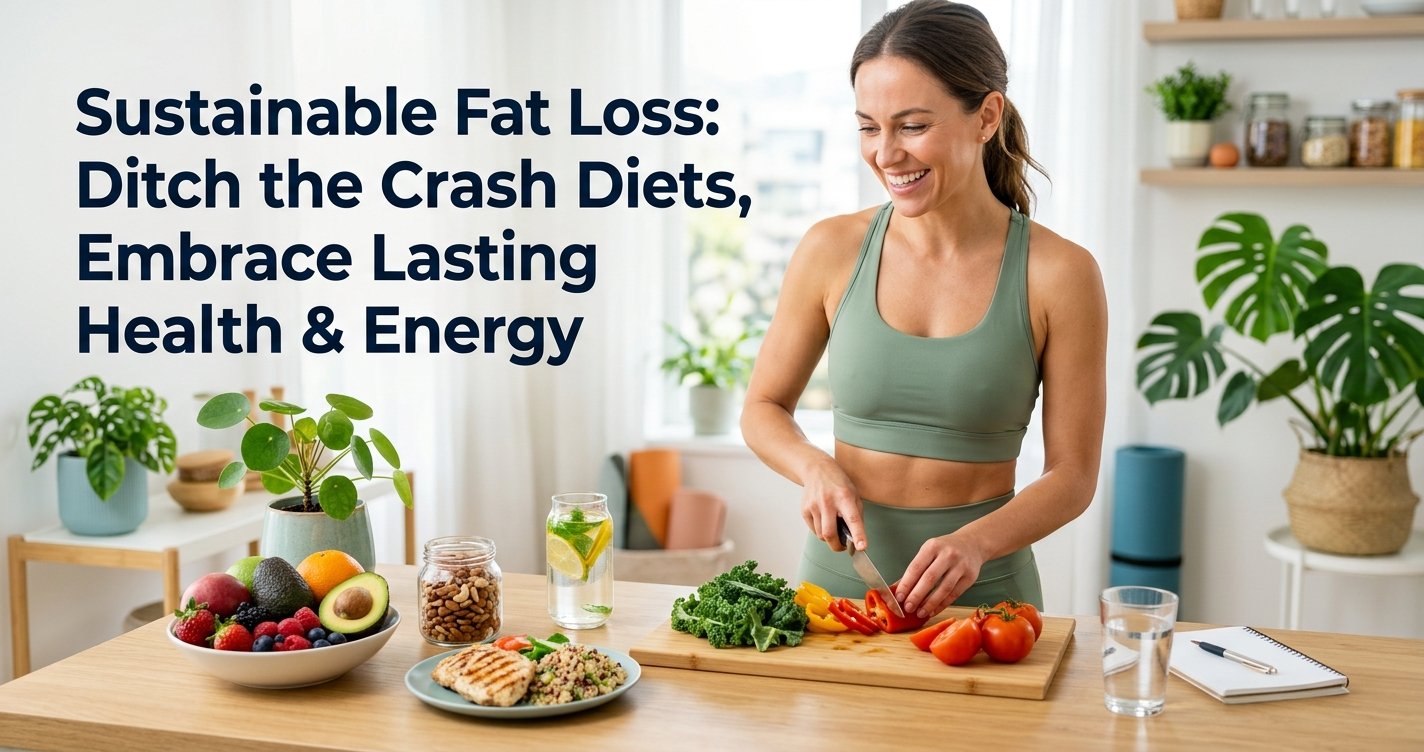
Tired of the Yo-Yo? Unlock Sustainable Fat Loss for Lasting Health
Let's be honest: the world of fat loss can feel like a confusing, frustrating maze. One day it's keto, the next it's intermittent fasting, then it's a juice cleanse. Everywhere you look, there's a new 'quick fix' promising miraculous results in record time. But if you're like most people, you've probably experienced the disheartening cycle: restrict, lose weight rapidly, feel deprived, rebound, and gain it all back (and sometimes more). It's exhausting, and it leaves you feeling defeated.
Here's the good news: sustainable fat loss isn't about extreme deprivation or punishing workouts. It's about understanding your body, making realistic changes, and building habits that you can maintain for life. This isn't just about fitting into a smaller size; it's about boosting your energy, improving your mood, and fostering a healthier relationship with food and your body. Ready to step off the yo-yo diet rollercoaster and embrace a path that truly works? Let's dive in. this excellent wellness product
Why Quick Fixes Don't Last: The Science of Sustainable Weight Loss
Crash diets often promise rapid weight loss, and while they might deliver in the short term, they rarely lead to lasting success. Why? Because they often ignore fundamental principles of human physiology and psychology.
The Calorie Deficit: Your Foundation, Not Your Tyrant
At its core, fat loss requires a calorie deficit – consuming fewer calories than your body burns. This forces your body to tap into stored fat for energy. However, extreme deficits can trigger survival mechanisms. Your body thinks it's starving, slowing down your metabolism to conserve energy. This makes it harder to lose fat and easier to regain weight once you return to normal eating patterns.
Beyond Calories: Hormones and Metabolism
Your body is a complex orchestra of hormones. Leptin, ghrelin, insulin, and cortisol all play significant roles in hunger, satiety, fat storage, and energy expenditure. Drastic diets can disrupt this delicate balance. For example, severe calorie restriction can lower leptin (the satiety hormone) and increase ghrelin (the hunger hormone), making you constantly hungry. It can also reduce your basal metabolic rate (BMR), meaning you burn fewer calories at rest.
Fueling Your Body Right: Nutrition for Lasting Results
Forget 'good' and 'bad' foods. Focus on nourishing your body with wholesome, satisfying options that support your energy levels and fat loss goals.
Prioritize Protein: The Satiety Superstar
Protein is your best friend when it comes to fat loss. It's incredibly satiating, meaning it keeps you feeling full for longer, reducing the likelihood of overeating. Protein also has a higher thermic effect of food (TEF), meaning your body burns more calories digesting it compared to carbs or fats. Aim for a lean protein source with every meal: chicken breast, fish, lean beef, eggs, tofu, Greek yogurt, or lentils.
Embrace Fiber-Rich Carbs and Healthy Fats
- Complex Carbohydrates: Don't fear carbs! Whole grains (oats, quinoa, brown rice), fruits, and vegetables are packed with fiber, which aids digestion, stabilizes blood sugar, and contributes to fullness. They provide sustained energy, fueling your workouts and daily activities.
- Healthy Fats: Fats are essential for hormone production, nutrient absorption, and satiety. Include sources like avocados, nuts, seeds, olive oil, and fatty fish (salmon) in moderation. They add flavor and satisfaction to your meals, preventing cravings.
Mindful Eating: Beyond What You Eat
How you eat is almost as important as what you eat. Slow down, savor your food, and pay attention to your body's hunger and fullness cues. Avoid distractions like screens. Mindful eating helps you recognize when you're truly satisfied, preventing mindless overconsumption and fostering a healthier relationship with food.
Move Your Body, Boost Your Metabolism: Exercise for Fat Loss
Exercise isn't just about burning calories; it's about building a stronger, more resilient body and boosting your metabolism.
The Power of Strength Training
This is non-negotiable for sustainable fat loss! Building muscle increases your resting metabolic rate (RMR), meaning you burn more calories even when you're not exercising. Muscle is metabolically active tissue. Aim for 2-3 full-body strength training sessions per week, focusing on compound movements like squats, deadlifts, presses, and rows. You don't need a gym; bodyweight exercises are a great start!
Cardio: Find Your Rhythm
Cardiovascular exercise is excellent for heart health, calorie expenditure, and stress reduction. Whether it's brisk walking, jogging, cycling, swimming, or dancing, find an activity you enjoy and can stick with. Aim for at least 150 minutes of moderate-intensity cardio per week.
NEAT: The Unsung Hero of Daily Calorie Burn
NEAT (Non-Exercise Activity Thermogenesis) refers to the calories you burn through everyday movements not related to structured exercise. Think walking, fidgeting, taking the stairs, cleaning, or standing while working. Increasing your NEAT can significantly contribute to your overall calorie expenditure without feeling like a workout. Get up and move throughout the day!
The Mental Game: Mindset, Sleep, and Stress Management
Fat loss isn't just physical; it's profoundly mental and emotional. Neglecting these aspects can sabotage even the best diet and exercise plans.
Prioritize Quality Sleep
Lack of sleep messes with your hormones. It increases ghrelin (hunger) and decreases leptin (satiety), making you crave unhealthy foods. Poor sleep also elevates cortisol levels, which can promote fat storage, especially around the belly. Aim for 7-9 hours of quality sleep per night. Create a relaxing bedtime routine and make your bedroom a sleep sanctuary.
Tame Your Stress
Chronic stress leads to elevated cortisol, which, as mentioned, can hinder fat loss and encourage belly fat storage. Find healthy ways to manage stress: meditation, yoga, spending time in nature, hobbies, or connecting with loved ones. Remember, fat loss is a journey, not a race. Don't let stress derail your progress.
Cultivate a Positive Mindset
Shift your focus from deprivation to nourishment, from punishment to self-care. Celebrate small victories, be patient with yourself, and understand that setbacks are part of the process. Sustainable fat loss comes from a place of self-love and a desire for better health, not self-criticism.
Building Your Sustainable Fat Loss Plan: Small Steps, Big Impact
Ready to put it all together? Here’s how to build a plan that truly lasts:
- Start Small: Don't overhaul everything at once. Pick one or two habits to focus on each week or month. Maybe it's adding protein to every meal, or taking a 20-minute walk daily.
- Track Progress Beyond the Scale: The scale is just one metric. Also note energy levels, mood, strength gains, how clothes fit, and consistency with your new habits.
- Be Patient & Consistent: Fat loss isn't linear. There will be plateaus and fluctuations. Consistency over time is what yields results.
- Seek Support: Share your goals with a trusted friend, family member, or consider working with a coach or dietitian. Accountability can be a powerful motivator.
- Listen to Your Body: Learn to differentiate between physical hunger and emotional cravings. Pay attention to how different foods make you feel.
- Hydrate: Drink plenty of water throughout the day. Sometimes thirst is mistaken for hunger.
Your Journey to a Healthier, Happier You
Sustainable fat loss isn't about chasing fleeting trends; it's about building a foundation of healthy habits that serve you for life. It's about respecting your body, fueling it well, moving it joyfully, and nurturing your mind. This journey is unique to you, and it’s about progress, not perfection. Embrace the process, be kind to yourself, and celebrate every step forward. You have the power to create lasting change and unlock a healthier, more energetic you!