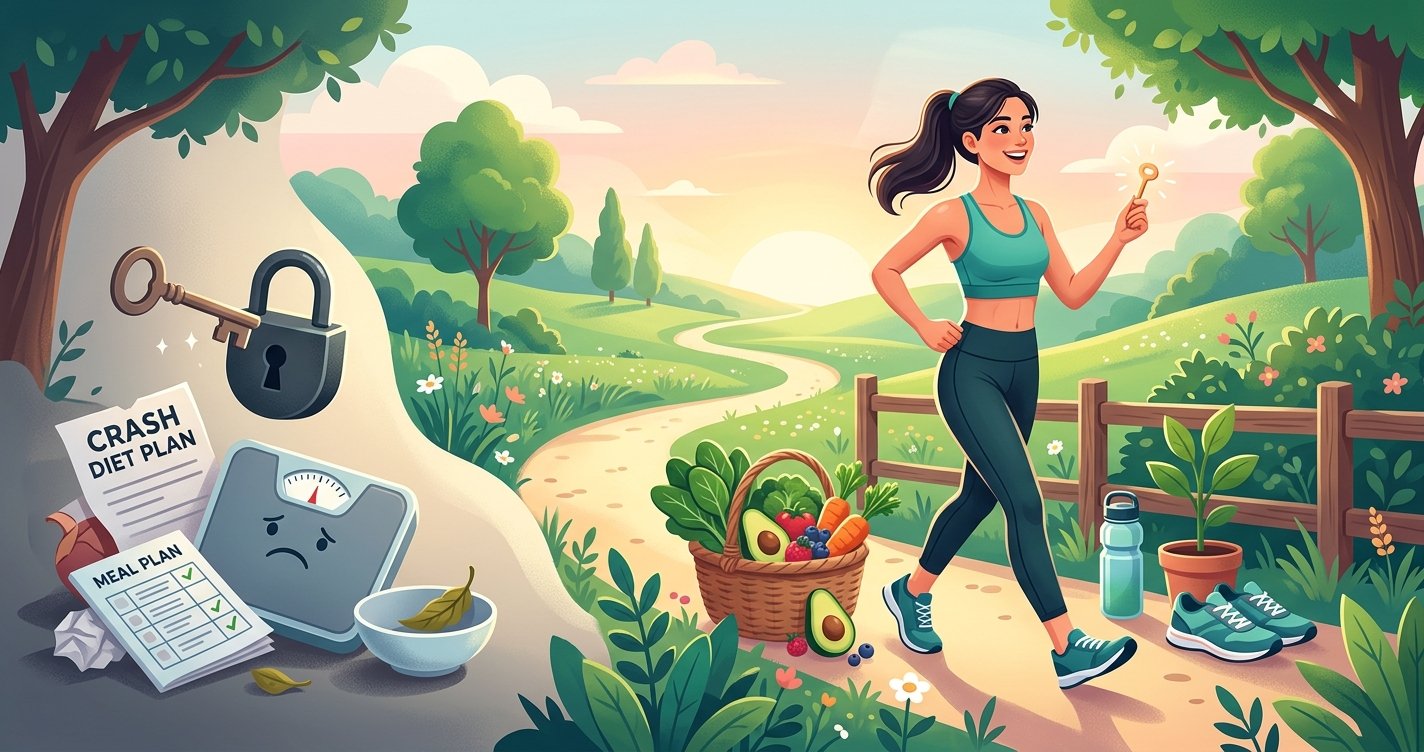
Unlock Sustainable Fat Loss: Ditch the Crash Diets, Embrace Lasting Health
Are you tired of the endless cycle of crash diets, rapid weight loss, and an inevitable rebound? You’re not alone. In a world obsessed with quick fixes, it’s easy to fall prey to promises of shedding pounds in record time. But what if there was a better way? A way to achieve not just fat loss, but lasting health, energy, and a positive relationship with your body?
Welcome to the world of sustainable fat loss – a journey focused on building healthy habits that last a lifetime, rather than just for a few weeks. This isn't about deprivation or punishment; it's about understanding your body, nourishing it wisely, and moving it joyfully. Let’s explore how you can break free from the diet merry-go-round and truly transform your well-being. this excellent wellness product
Why Crash Diets Fail (And Why You Deserve Better)
Before we dive into what works, let’s understand why those restrictive, extreme diets consistently let us down. It’s not a lack of willpower; it’s often a fundamental misunderstanding of how our bodies work.
The Metabolism Myth: Slowing Down Your Engine
When you drastically cut calories, your body, an incredibly intelligent survival machine, interprets this as a famine. To conserve energy, it slows down your metabolism. This is known as metabolic adaptation. Your body becomes more efficient at using fewer calories, making it harder to lose fat and incredibly easy to regain it once you return to normal eating patterns. Crash diets essentially teach your body to hold onto every calorie for dear life, working against your fat loss goals in the long run.
The Hunger Games: Fighting Your Biology
Extreme calorie restriction also throws your hunger hormones into disarray. Ghrelin, the 'hunger hormone', surges, while leptin, the 'satiety hormone', plummets. This creates an overwhelming biological drive to eat, making adherence to the diet incredibly difficult and often leading to binge eating. You're not weak; you're battling millions of years of evolutionary programming.
Mental Toll: The Cycle of Deprivation and Guilt
Beyond the physical, crash diets inflict significant psychological damage. The constant deprivation leads to irritability, mood swings, and an unhealthy obsession with food. When you inevitably 'fall off the wagon', feelings of guilt and failure can lead to a vicious cycle of restricting, binging, and self-blame. This emotional rollercoaster is exhausting and detrimental to your overall mental health.
The Pillars of Sustainable Fat Loss: Building a Foundation That Lasts
So, if crash diets are a dead end, what's the path to true, sustainable fat loss? It’s built on several key pillars that work in harmony to support your body and mind.
Pillar 1: Calorie Deficit, Smartly Done (Not Starvation!)
At its core, fat loss requires a calorie deficit – consuming fewer calories than your body burns. However, the key is to create a moderate, sustainable deficit (typically 300-500 calories below your maintenance level). This allows your body to tap into fat stores for energy without triggering extreme metabolic adaptation or overwhelming hunger signals. Focus on nutrient-dense foods that provide volume and satiety for fewer calories.
Pillar 2: Protein Power: Your Secret Weapon
Protein is your best friend for fat loss. Here’s why:
- Satiety: Protein is the most satiating macronutrient, helping you feel fuller for longer and reducing cravings.
- Muscle Preservation: Adequate protein intake is crucial for preserving lean muscle mass during a calorie deficit. Muscle burns more calories at rest than fat, so maintaining it is vital for a healthy metabolism.
- Thermic Effect: Protein has a higher thermic effect of food (TEF) compared to carbs and fats, meaning your body expends more energy digesting and metabolizing it.
Aim for 0.7-1 gram of protein per pound of body weight daily from sources like lean meats, poultry, fish, eggs, dairy, and plant-based options.
Pillar 3: Embrace the Lift: Strength Training for a Stronger You
While cardio has its place, strength training is non-negotiable for sustainable fat loss. Lifting weights helps you:
- Build/Maintain Muscle: As mentioned, more muscle means a higher resting metabolism, helping you burn more calories even when you’re not exercising.
- Improve Body Composition: Strength training reshapes your body, creating a leaner, more toned physique, even if the scale doesn't move dramatically.
- Boost Confidence: Feeling stronger is incredibly empowering and can positively impact your motivation and self-image.
Incorporate 2-4 strength training sessions per week, focusing on compound movements that work multiple muscle groups.
Pillar 4: Sleep, Stress, and Hydration: The Unsung Heroes
Don't underestimate the power of these often-overlooked factors:
- Sleep: Poor sleep disrupts hormones like ghrelin and leptin, making you hungrier and less satisfied. Aim for 7-9 hours of quality sleep per night.
- Stress Management: Chronic stress elevates cortisol, a hormone that can promote fat storage, especially around the midsection. Find healthy ways to manage stress, such as meditation, yoga, or spending time in nature.
- Hydration: Drinking enough water (around 8-10 glasses daily) supports metabolism, helps with satiety, and is crucial for overall bodily functions. Sometimes, thirst is mistaken for hunger!
Pillar 5: Mindful Eating: Listening to Your Body
Sustainable fat loss isn't just about what you eat, but how you eat. Mindful eating involves:
- Paying Attention: Eating slowly, without distractions, and savoring your food.
- Recognizing Hunger & Fullness Cues: Learning to eat when you're truly hungry and stopping when you're comfortably full, not stuffed.
- Addressing Emotional Eating: Identifying triggers for eating out of boredom, stress, or sadness, and finding healthier coping mechanisms.
This practice helps you build a healthier, intuitive relationship with food, moving away from restrictive rules.
Making It Stick: Practical Tips for Long-Term Success
Knowing the pillars is one thing; integrating them into your life is another. Here are some practical tips to make sustainable fat loss a reality:
Small Changes, Big Impact
Don't try to overhaul everything at once. Start with one or two small, manageable changes – like adding protein to every meal, drinking more water, or taking a 15-minute walk daily. Consistency with small changes builds momentum and confidence.
Track, Don't Obsess
Initially, tracking your food intake and activity can be incredibly insightful. It helps you understand your habits and identify areas for improvement. However, the goal isn't to track forever, but to build awareness and eventually transition to intuitive eating. Use tracking as a tool, not a life sentence.
Find Your Movement Joy
Exercise shouldn't feel like a chore. Experiment with different activities – dancing, hiking, swimming, cycling, team sports – until you find something you genuinely enjoy. When you look forward to moving your body, consistency becomes effortless.
Build a Support System
Share your goals with supportive friends or family, join a fitness community, or work with a coach. Having people who encourage you and hold you accountable can make a significant difference on your journey.
Your Journey Starts Now: A New Approach to Fat Loss
Sustainable fat loss isn't a race; it's a marathon. It’s about cultivating habits that enhance your overall health, energy, and happiness, leading to natural and lasting fat loss as a beneficial side effect. It requires patience, consistency, and self-compassion. There will be good days and challenging days, but remember that progress isn't linear, and every step forward, no matter how small, counts.
Ditch the deprivation, embrace nourishment, and empower yourself with knowledge. Your body is capable of incredible things when treated with respect and understanding. Start today by making one small, positive change. You deserve a healthy, vibrant life – and you have the power to create it.