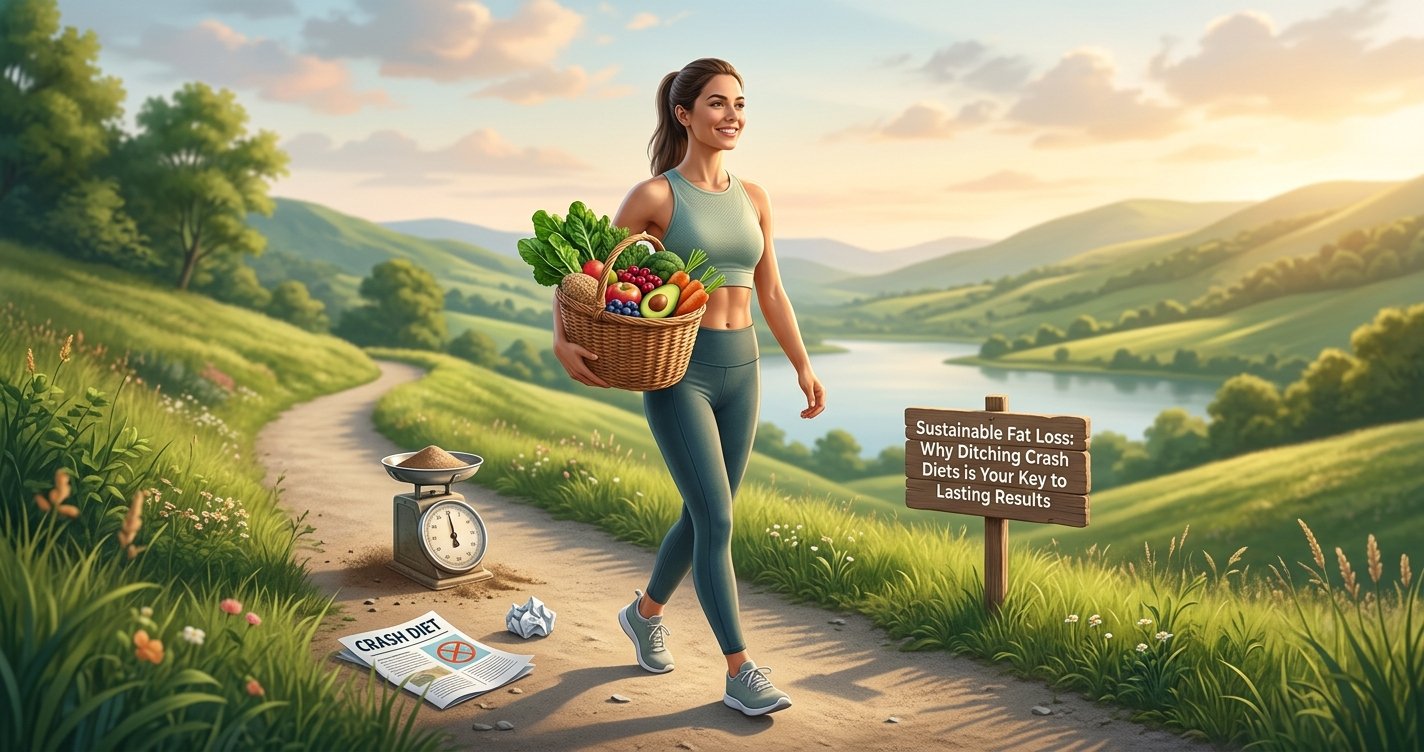
Are you tired of the endless cycle of crash diets, rapid weight loss, and inevitable rebound? You're not alone. Millions embark on strict eating plans each year, only to find themselves back where they started, often feeling more frustrated and discouraged than before. The truth is, sustainable fat loss isn't about deprivation; it's about building healthy, enjoyable habits that last a lifetime. This isn't just about the number on the scale; it's about feeling energized, confident, and truly in tune with your body. Let's explore how to break free from the diet mentality and embrace a path to lasting fat loss that actually works.
The Problem with Crash Diets: A Vicious Cycle
Crash diets promise quick fixes, often involving extreme calorie restriction or eliminating entire food groups. While you might see initial weight loss, this approach is rarely sustainable and often detrimental to your long-term health. Here’s why: this excellent wellness product
- Metabolic Slowdown: Severe calorie restriction can signal your body to conserve energy, slowing down your metabolism. When you eventually return to a normal eating pattern, your body is more efficient at storing fat.
- Muscle Loss: Rapid weight loss often includes losing precious muscle mass, which is crucial for a healthy metabolism and overall strength.
- Nutrient Deficiencies: Restrictive diets can lead to a lack of essential vitamins and minerals, impacting energy levels, immune function, and overall well-being.
- Hormonal Imbalance: Yo-yo dieting can mess with hormones like ghrelin (hunger hormone) and leptin (satiety hormone), making it harder to manage appetite.
- Psychological Toll: The constant feeling of deprivation can lead to intense cravings, emotional eating, and a negative relationship with food, paving the way for eventual binges and feelings of failure.
The good news? There's a better way. A way that respects your body, nourishes your mind, and fosters genuine, sustainable change.
Understanding Sustainable Fat Loss: More Than Just a Number
Sustainable fat loss isn't a race; it's a journey. It's about creating a lifestyle where healthy choices become second nature, not a chore. This approach focuses on gradual, consistent progress that you can maintain indefinitely. It means:
- Prioritizing overall health and well-being over arbitrary weight goals.
- Nourishing your body with nutrient-dense foods without feeling deprived.
- Finding enjoyable ways to move your body.
- Managing stress and prioritizing restorative sleep.
- Developing a positive, intuitive relationship with food and your body.
When you shift your focus from short-term fixes to long-term habits, fat loss becomes a natural byproduct of a healthier, happier lifestyle.
The Pillars of Lasting Change: Building Healthy Habits
Let's dive into the evidence-based strategies that form the foundation of sustainable fat loss.
Mindful Eating: Reconnecting with Your Body's Cues
In our fast-paced world, eating often becomes a hurried, unconscious act. Mindful eating encourages you to slow down, savor your food, and pay attention to your body's hunger and fullness signals. This isn't a diet; it's a practice that helps you eat when you're truly hungry and stop when you're satisfied, preventing overeating and fostering a healthier relationship with food.
- Slow Down: Put your fork down between bites. Take time to chew thoroughly.
- Engage Your Senses: Notice the colors, textures, aromas, and flavors of your food.
- Listen to Your Body: Ask yourself, "Am I truly hungry?" before eating, and "Am I satisfied?" during your meal.
- Minimize Distractions: Turn off the TV, put away your phone, and focus solely on your meal.
Movement You Enjoy: Beyond Just Burning Calories
Exercise shouldn't feel like punishment. The key to consistency is finding activities you genuinely enjoy. Regular physical activity not only burns calories but also builds muscle, boosts metabolism, improves mood, and reduces stress – all crucial for fat loss.
- Strength Training: Incorporate resistance exercises 2-3 times a week. Building muscle mass is incredibly effective for boosting your resting metabolism, meaning you burn more calories even at rest.
- Cardio for Health: Find cardio you love – dancing, hiking, swimming, cycling. Aim for at least 150 minutes of moderate-intensity activity per week.
- Everyday Movement: Take the stairs, walk during breaks, park further away. Small movements add up!
- Listen to Your Body: Rest when needed and avoid overtraining, which can lead to injury and burnout.
Prioritizing Sleep: The Unsung Hero of Fat Loss
In a world that often glorifies being busy, sleep is frequently overlooked. However, adequate, quality sleep is non-negotiable for sustainable fat loss. Lack of sleep disrupts hormones that regulate appetite (ghrelin increases, leptin decreases), leading to increased cravings for high-calorie, sugary foods, and makes it harder for your body to recover and burn fat efficiently.
- Aim for 7-9 Hours: Make sleep a priority, just like healthy eating and exercise.
- Consistent Schedule: Go to bed and wake up around the same time each day, even on weekends.
- Create a Routine: Wind down with a relaxing activity like reading or a warm bath before bed.
- Optimize Your Environment: Keep your bedroom dark, quiet, and cool.
Stress Less, Live More: Managing Cortisol and Cravings
Chronic stress triggers the release of cortisol, a hormone that, in excess, can promote fat storage, especially around the abdomen. Stress also often leads to emotional eating and poor food choices. Learning to manage stress is vital for both your mental and physical health.
- Mindfulness & Meditation: Even a few minutes a day can make a significant difference.
- Deep Breathing: Simple breathing exercises can calm your nervous system.
- Connect with Nature: Spend time outdoors; it has proven stress-reducing benefits.
- Hobbies & Socializing: Engage in activities you enjoy and connect with supportive friends and family.
Building a Supportive Environment: Setting Yourself Up for Success
Your environment plays a huge role in your choices. Make it easier to make healthy decisions by consciously shaping your surroundings.
- Kitchen Makeover: Stock your pantry and fridge with whole, unprocessed foods. Keep healthy snacks visible and unhealthy temptations out of sight (or out of the house!).
- Social Support: Surround yourself with people who support your healthy goals. Share your journey with a friend or family member.
- Plan Ahead: Meal prep healthy meals and snacks for the week. Plan your workouts in advance.
- Learn & Grow: Educate yourself about nutrition and fitness from reliable sources.
Small Steps, Big Wins: How to Start Your Sustainable Journey
Don't try to change everything at once. Sustainable fat loss is built on small, consistent changes that accumulate over time. Pick one or two areas to focus on first, master them, and then gradually add more.
- Start with Hydration: Drink a large glass of water before each meal.
- Add One Veggie: Aim to include one extra serving of vegetables with a meal each day.
- Walk More: Add a 15-minute walk to your daily routine.
- Prioritize Protein: Ensure each meal has a good source of lean protein to boost satiety.
- Practice Gratitude: Take a moment each day to appreciate your body and its capabilities.
Celebrate non-scale victories – improved energy, better sleep, clothes fitting differently, increased strength, a more positive mood. These are true indicators of progress and fuel your motivation for the long haul.
Your Journey to a Healthier, Happier You
Ditching the diet mentality and embracing a sustainable approach to fat loss is perhaps the most empowering decision you can make for your health. It's not about quick fixes; it's about making peace with food, listening to your body, and building a lifestyle that supports your well-being for years to come. Be patient, be kind to yourself, and trust the process. Your body will thank you for it, and you'll discover that lasting fat loss is truly within your reach when you focus on sustainable, enjoyable habits. This is your journey to a healthier, happier, and more vibrant you.