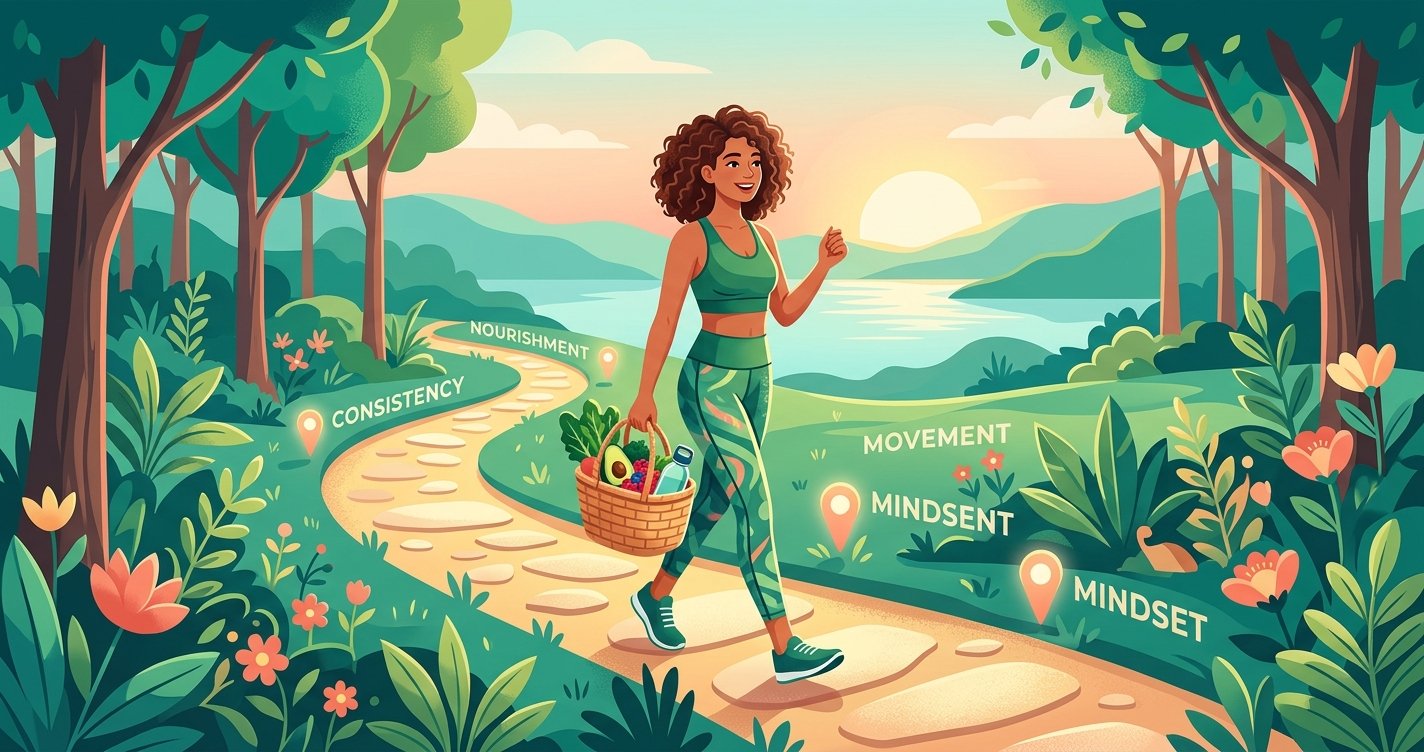
Sustainable Fat Loss: Ditch the Crash Diets & Embrace Lasting Health
Are you tired of the endless cycle of crash diets, rapid weight loss, and then inevitably gaining it all back (and sometimes more)? You're not alone. In a world obsessed with quick fixes, it's easy to fall into the trap of restrictive eating plans that promise dramatic results in record time. But here's the truth: these approaches are rarely sustainable, often unhealthy, and almost always lead to frustration and disappointment in the long run.
This post isn't about the latest fad diet or a magic pill. Instead, we're going to explore the powerful, evidence-based strategies for sustainable fat loss – an approach that prioritizes your health, builds lasting habits, and finally breaks you free from the diet roller coaster. Get ready to transform your body and your relationship with food, for good! this excellent wellness product
The Trap of Quick Fixes: Why Crash Diets Fail (And What Happens Next)
Before we dive into what works, let's understand why the common "lose weight fast" mentality often backfires. Crash diets typically involve severely restricting calories, cutting out entire food groups, or relying on extreme detoxes. While they might show initial drops on the scale, this weight loss is often deceptive and comes at a high cost:
- Metabolic Slowdown: Your body is smart. When faced with extreme calorie deprivation, it perceives starvation and slows down your metabolism to conserve energy. This makes it harder to lose fat and easier to regain weight once you return to normal eating.
- Muscle Loss: Rapid weight loss from crash diets often includes a significant amount of lean muscle mass, not just fat. Muscle is metabolically active, meaning it burns more calories at rest. Losing muscle further hinders your long-term fat loss efforts.
- Nutrient Deficiencies: Restrictive diets can deprive your body of essential vitamins, minerals, and macronutrients, leading to fatigue, irritability, hair loss, weakened immunity, and other health issues.
- Psychological Toll: The constant hunger, deprivation, and social isolation associated with crash diets can lead to increased stress, anxiety, disordered eating patterns, and a negative relationship with food and your body.
- The Rebound Effect: Once you stop the unsustainable diet (and you will, because it's unsustainable!), your body, still in "starvation mode," is primed to store energy. Coupled with increased hunger and cravings, this often leads to rapid weight regain, sometimes surpassing your initial weight.
It's clear: crash diets are a losing game. It's time for a different approach.
The Foundation: Embracing a Gentle Calorie Deficit
At its core, fat loss comes down to a simple principle: you need to consume fewer calories than your body expends. This is known as a calorie deficit. However, the key to sustainable fat loss lies in making this deficit gentle and manageable, not extreme.
A gentle calorie deficit (typically 300-500 calories below your maintenance level) allows your body to tap into its fat stores for energy without triggering a full-blown "starvation response." This approach:
- Preserves Muscle: By not drastically cutting calories, you provide enough energy to support your body's functions, including muscle maintenance, especially when combined with adequate protein intake and resistance training.
- Is Sustainable: A moderate deficit means you can still enjoy a variety of foods, feel satisfied, and maintain social activities without feeling deprived.
- Promotes Consistent Progress: While slower than crash diets, a gentle deficit leads to steady, predictable fat loss that is more likely to stay off.
How to achieve this? Focus on whole, unprocessed foods that are naturally lower in calories but high in nutrients and fiber. Think lean proteins, plenty of vegetables, fruits, and whole grains. You don't need to count every single calorie, but understanding portion sizes and being mindful of your intake is crucial.
Fueling Your Body Smart: Macronutrients for Success
While a calorie deficit is the driver, the composition of those calories (your macronutrients: protein, fats, and carbohydrates) plays a huge role in how you feel, your satiety, and muscle preservation.
Protein Power: Your Satiety & Muscle Guardian
Protein is your best friend for fat loss. It's incredibly satiating, meaning it keeps you feeling full for longer, reducing overall calorie intake. Furthermore, protein has a higher thermic effect of food (TEF) compared to fats and carbs, meaning your body burns more calories digesting it. Most importantly, it's crucial for preserving lean muscle mass during a calorie deficit.
- Sources: Lean meats (chicken, turkey, beef), fish, eggs, dairy (Greek yogurt, cottage cheese), legumes (lentils, beans), tofu, tempeh, protein powder.
- Aim for: Include a good source of protein with every meal and snack.
Don't Fear Healthy Fats: Essential for Health & Fullness
Despite their higher calorie density, healthy fats are vital for hormone production, nutrient absorption, and overall health. They also contribute significantly to satiety, helping you feel satisfied after meals.
- Sources: Avocados, nuts, seeds, olive oil, fatty fish (salmon, mackerel).
- Aim for: Include moderate amounts of healthy fats. Portion control is key here, as calories add up quickly.
Smart Carbs: Energy, Fiber, and Fuel
Carbohydrates are your body's primary energy source. The key is choosing the right kind. Opt for complex carbohydrates rich in fiber, which provide sustained energy, aid digestion, and contribute to fullness. Limit refined sugars and processed carbs that offer little nutritional value and can lead to energy crashes and increased cravings.
- Sources: Whole grains (oats, brown rice, quinoa, whole-wheat bread), fruits, vegetables, sweet potatoes.
- Aim for: Prioritize fiber-rich complex carbs, especially around your workouts, and adjust portions based on your activity level.
Beyond the Plate: Lifestyle Pillars for Lasting Fat Loss
Sustainable fat loss isn't just about what you eat; it's deeply intertwined with your overall lifestyle. Integrating these habits will amplify your results and improve your well-being.
Move Your Body, Love Your Life: Finding Joy in Activity
Exercise is a powerful tool for fat loss, not just for burning calories, but for building muscle, improving mood, and boosting metabolism. The best exercise is the one you enjoy and can stick with consistently. Don't feel pressured to spend hours in the gym if you hate it!
- Resistance Training: Crucial for preserving and building muscle, which boosts your resting metabolism. Aim for 2-3 sessions per week.
- Cardiovascular Exercise: Improves heart health and burns calories. Find something you enjoy – walking, cycling, swimming, dancing.
- Non-Exercise Activity Thermogenesis (NEAT): Simple movements throughout the day (taking stairs, parking further away, standing desks) add up significantly.
The Unsung Hero: Prioritizing Quality Sleep
Often overlooked, sleep is a non-negotiable component of fat loss. Poor sleep disrupts hormones that regulate appetite (ghrelin and leptin), leading to increased hunger and cravings for unhealthy foods. It also elevates cortisol (the stress hormone), which can promote fat storage, especially around the belly.
- Aim for: 7-9 hours of quality sleep per night.
- Tips: Establish a consistent sleep schedule, create a relaxing bedtime routine, optimize your sleep environment (dark, cool, quiet).
Taming the Stress Monster: Protecting Your Progress
Chronic stress can wreak havoc on your fat loss efforts. When stressed, your body releases cortisol, which, as mentioned, can encourage fat storage and increase cravings for high-calorie comfort foods. Finding healthy ways to manage stress is crucial.
- Strategies: Meditation, deep breathing exercises, yoga, spending time in nature, hobbies, journaling, connecting with loved ones.
Hydration Nation: Drink Your Way to Better Health
Water is essential for countless bodily functions, including metabolism. Staying well-hydrated can also help you feel fuller, potentially reducing overall calorie intake, and can sometimes be mistaken for hunger.
- Aim for: Around 8 glasses (2 liters) of water daily, more if you're active or in a hot climate.
- Tips: Keep a water bottle handy, add fruit slices for flavor, drink a glass before meals.
Mindset Matters Most: Cultivating Patience and Self-Compassion
Sustainable fat loss is a journey, not a destination, and it's rarely linear. There will be good days and challenging days. Your mindset is perhaps the most critical factor in long-term success.
- Patience is Key: Real, lasting change takes time. Celebrate small victories and focus on consistent effort over perfection.
- Self-Compassion: Don't beat yourself up over perceived "failures." One less-than-perfect meal or missed workout doesn't derail your entire progress. Learn from it and get back on track.
- Focus on Non-Scale Victories: How do your clothes fit? How's your energy? Are you stronger? Are you sleeping better? These are equally important indicators of progress.
- Embrace a Lifestyle Change: Shift your focus from "being on a diet" to adopting healthy habits you can maintain for life.
Your Personalized Path: Building a Sustainable Plan
There's no one-size-fits-all plan for sustainable fat loss. What works best for you will depend on your preferences, lifestyle, and unique body. Here's how to start building your personalized path:
- Start Small: Don't try to overhaul everything at once. Pick one or two habits to focus on first, like adding more protein to your meals or going for a daily walk.
- Listen to Your Body: Pay attention to hunger and fullness cues. Notice how different foods make you feel.
- Track Progress (Beyond the Scale): Use a journal, fitness tracker, or simply reflect on your energy levels, sleep quality, and how your clothes fit.
- Seek Professional Guidance: If you feel overwhelmed or have specific health concerns, consider consulting a registered dietitian, certified personal trainer, or your doctor. They can provide tailored advice and support.
Embrace the Journey to Lasting Health
Ditching the allure of crash diets and embracing sustainable fat loss strategies is perhaps the most empowering decision you can make for your health and well-being. It's about nurturing your body, building habits that serve you, and cultivating a positive relationship with food and movement. This journey might require patience and consistency, but the rewards – lasting health, increased energy, and genuine self-confidence – are absolutely worth it. You've got this!