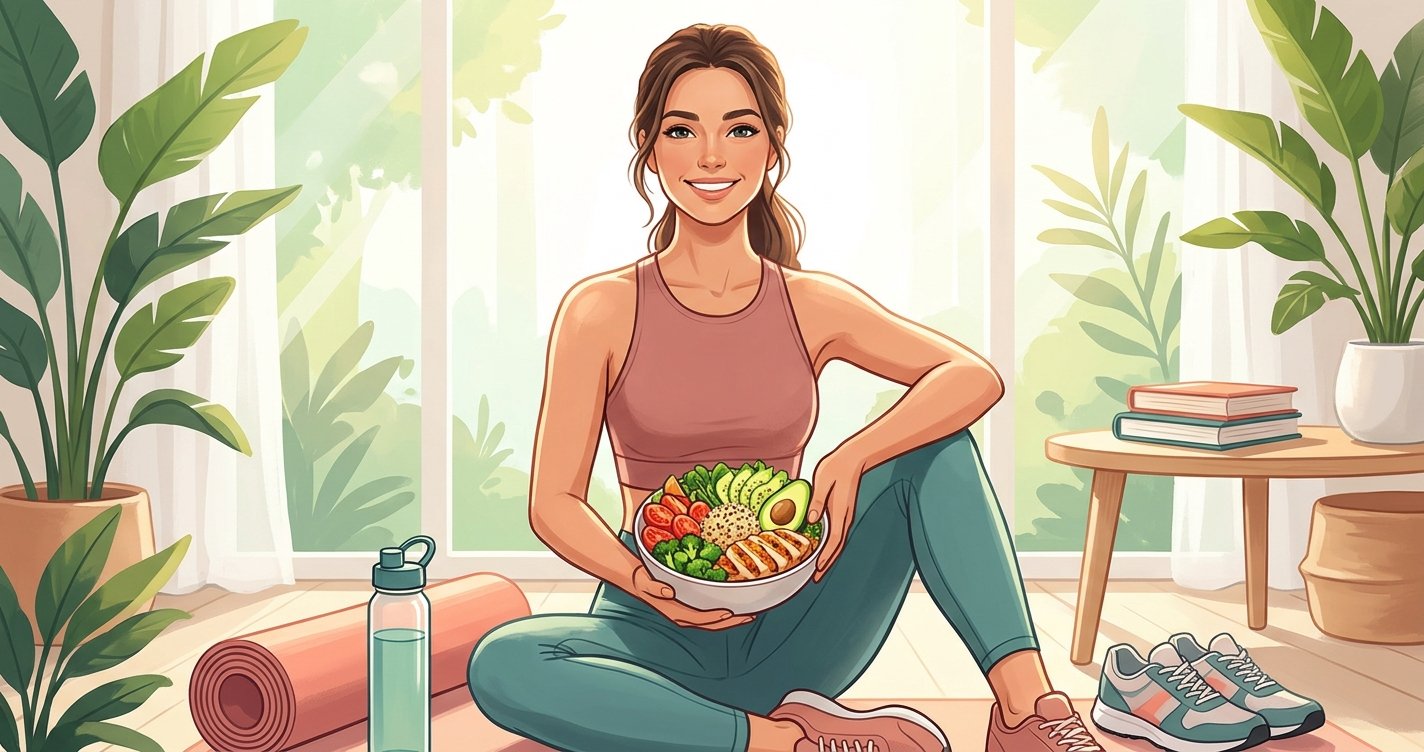
Sustainable Fat Loss: Ditch the Crash Diets, Embrace Lasting Results
Are you tired of the never-ending cycle of crash diets, rapid weight loss, and then, inevitably, regaining all the weight (and sometimes more)? You’re not alone. Millions of people embark on restrictive eating plans hoping for a quick fix, only to find themselves frustrated, hungry, and no closer to their long-term health goals. The truth is, sustainable fat loss isn't about deprivation; it's about intelligent, consistent choices that nourish your body and mind, leading to results that actually last.
This isn't just about fitting into an old pair of jeans; it's about building a healthier, more energetic you. We're going to explore evidence-based strategies that will empower you to shed fat effectively, improve your metabolic health, and cultivate habits that serve you for a lifetime. Ready to ditch the diet drama and embrace a path to lasting success? Let’s dive in! this excellent wellness product
The Problem with Crash Diets (And Why They Don't Work)
Before we build a better path, let's understand why the common quick-fix approach often backfires. Crash diets, characterized by extreme calorie restriction, elimination of entire food groups, or reliance on shakes and pills, promise rapid results. And yes, you might see the scale drop quickly initially. But what’s really happening?
- Metabolic Slowdown: Your body is incredibly smart. When calories plummet drastically, it perceives a famine and slows down your metabolism to conserve energy. This makes it harder to lose fat and easier to regain weight once you resume normal eating.
- Muscle Loss: When you restrict calories too severely, your body doesn't just burn fat; it also breaks down muscle tissue for energy. Muscle is metabolically active, meaning it burns more calories at rest than fat. Losing muscle further slows your metabolism, making future fat loss even more challenging.
- Nutrient Deficiencies: Extreme diets often lack essential vitamins, minerals, and macronutrients, leading to fatigue, poor immune function, and overall health deterioration.
- Unsustainable & Psychological Toll: These diets are inherently unsustainable. They lead to intense cravings, obsessive thoughts about food, and often result in binge eating once the diet inevitably ends. This creates a cycle of guilt, failure, and rebound weight gain – a phenomenon often called “yo-yo dieting.”
The science is clear: sustainable fat loss prioritizes health, consistency, and a balanced approach over quick, fleeting results. It’s about working with your body, not against it.
The Foundation: Calorie Deficit, Smartly Applied
At its core, fat loss requires a calorie deficit. This means consistently consuming fewer calories than your body burns. However, the key word here is smartly. We're not talking about starvation-level deficits that trigger your body's survival mode.
- Moderate Deficit is Key: Aim for a deficit of 300-500 calories per day below your Total Daily Energy Expenditure (TDEE). This allows for steady fat loss (typically 1-2 pounds per week) without drastically slowing your metabolism or causing excessive muscle loss. You can estimate your TDEE using online calculators, but remember these are just starting points.
- Track and Adjust: For a few days, track your food intake to get an idea of your current calorie consumption. Monitor your weight and adjust your intake slightly based on your progress. Tools like food logging apps can be very helpful for awareness, but you don't need to track forever.
- Listen to Your Body: Pay attention to hunger cues, energy levels, and how you feel. A sustainable deficit should leave you feeling energized, not constantly drained or deprived.
A moderate, consistent calorie deficit is the engine of fat loss, but the quality of those calories is just as important.
Fueling Your Body: Prioritizing Protein and Whole Foods
What you eat matters immensely for sustainable fat loss. Focusing on nutrient-dense, whole foods helps you feel fuller, provides essential nutrients, and supports your metabolism.
- Protein Powerhouse: Protein is your best friend for fat loss. It’s highly satiating, meaning it keeps you feeling full for longer, reducing cravings. It also has a higher thermic effect (meaning your body burns more calories digesting it) and, crucially, helps preserve muscle mass during a calorie deficit. Aim for 0.7-1 gram of protein per pound of your target body weight daily.
- Fiber-Rich Carbs: Don't fear carbohydrates! Opt for complex carbohydrates rich in fiber, such as whole grains (oats, brown rice, quinoa), fruits, and vegetables. Fiber adds bulk to your meals, aids digestion, and helps stabilize blood sugar, preventing energy crashes and cravings.
- Healthy Fats: Fats are essential for hormone production, nutrient absorption, and satiety. Include sources like avocados, nuts, seeds, olive oil, and fatty fish in moderation. They contribute to feeling satisfied and prevent you from constantly grazing.
- Minimize Processed Foods: Highly processed foods, sugary drinks, and refined grains are often calorie-dense and nutrient-poor. They provide little satiety, can spike blood sugar, and often lead to overeating. Focus on real, unprocessed ingredients as much as possible.
Think of your meals as opportunities to nourish your body with wholesome ingredients that support your fat loss journey, not hinder it.
Move Your Body: Beyond Just Cardio
While nutrition is paramount, physical activity plays a critical role in accelerating fat loss, improving body composition, and boosting overall health. And it's not just about endless hours on the treadmill.
- Embrace Strength Training: This is a game-changer! Lifting weights (or using bodyweight exercises) builds and preserves muscle mass. As discussed, more muscle means a higher resting metabolism, helping you burn more calories even when you're not exercising. Aim for 2-4 strength training sessions per week, targeting all major muscle groups.
- Consistent Cardio: Incorporate regular cardiovascular activity for heart health, calorie expenditure, and stress reduction. This could be brisk walking, jogging, cycling, swimming, or dancing. Find activities you enjoy to ensure consistency.
- Increase NEAT (Non-Exercise Activity Thermogenesis): This refers to the calories you burn from everyday movements that aren't formal exercise. Think taking the stairs, parking further away, walking during phone calls, or fidgeting. Small movements add up significantly over the course of a day and contribute to your overall calorie expenditure.
- Find What You Love: The best exercise is the one you'll actually do consistently. Experiment with different activities until you find something that feels enjoyable and sustainable.
Movement isn't just about burning calories; it's about building a stronger, more capable body and fostering a positive relationship with physical activity.
The Unsung Heroes: Sleep, Stress, and Hydration
Often overlooked, these three pillars are fundamental to successful and sustainable fat loss. Neglecting them can sabotage even the most diligent efforts in diet and exercise.
- Prioritize Sleep: When you're sleep-deprived, your body's hormones go haywire. Ghrelin (the hunger hormone) increases, making you feel hungrier, while leptin (the satiety hormone) decreases, making it harder to feel full. Cortisol (the stress hormone) also rises, which can promote fat storage, especially around the belly. Aim for 7-9 hours of quality sleep per night.
- Manage Stress: Chronic stress keeps cortisol levels elevated, which can lead to increased appetite, cravings for unhealthy foods, and abdominal fat accumulation. Find healthy ways to manage stress, such as meditation, yoga, spending time in nature, hobbies, or connecting with loved ones.
- Stay Hydrated: Drinking enough water is crucial. It helps with satiety (sometimes thirst is mistaken for hunger), aids in nutrient transport, and supports metabolic processes. Keep a water bottle handy and aim for at least 8 glasses of water a day, more if you're active.
Think of sleep, stress management, and hydration as non-negotiables for optimizing your body's fat-burning potential and overall well-being.
Cultivating a Fat Loss Mindset: Patience and Consistency
Sustainable fat loss isn't just a physical journey; it's a mental one. Your mindset plays a massive role in your success.
- Patience is a Virtue: Remember, you didn’t gain the weight overnight, and you won’t lose it overnight. Celebrate small victories, understand that progress isn't linear, and trust the process. Consistency over perfection is the mantra.
- Focus on Habits, Not Just the Scale: While the scale can be a tool, it doesn't tell the whole story. Focus on building healthy habits: cooking at home, getting enough protein, hitting your step goal, getting to bed on time. These habits are what truly drive sustainable change.
- Non-Scale Victories (NSVs): Pay attention to how your clothes fit, your energy levels, improved sleep, strength gains, better mood, and clearer skin. These non-scale victories are powerful motivators and indicators of real progress.
- Practice Self-Compassion: There will be days when you stumble. Don't let one less-than-perfect meal or missed workout derail your entire journey. Learn from it, forgive yourself, and get back on track with kindness.
- Seek Support: Whether it's a friend, family member, coach, or online community, having a support system can make a huge difference in staying motivated and accountable.
Your journey is unique, and cultivating a positive, resilient mindset will be your greatest asset in achieving lasting results.
Embrace Your Sustainable Journey!
Ditching the crash diets and embracing sustainable fat loss is about making a long-term investment in your health and happiness. It’s not about quick fixes; it's about building a lifestyle that nourishes your body, strengthens your mind, and empowers you to live vibrantly.
Remember these key principles: a moderate calorie deficit, plenty of protein and whole foods, a mix of strength training and cardio, adequate sleep, stress management, and consistent hydration. Most importantly, cultivate patience, celebrate every step forward, and be kind to yourself along the way.
You have the power to transform your body and your life. Start small, stay consistent, and watch as you build a healthier, happier you – one sustainable habit at a time. Your body will thank you for it!