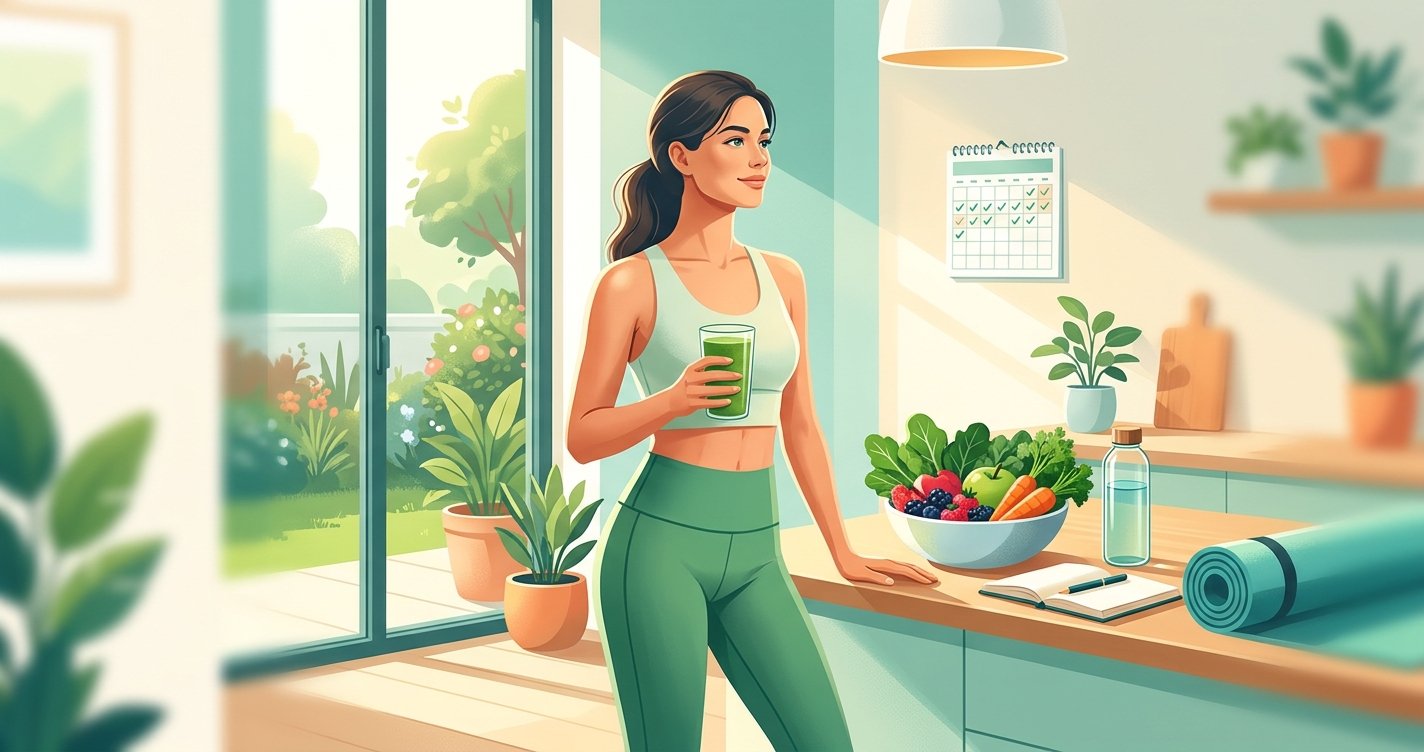
Sustainable Fat Loss: Ditch the Crash Diets, Build Habits That Last
Have you ever embarked on a strict diet, only to find yourself back where you started (or even further behind) a few months later? You're not alone. The world of fat loss is often riddled with quick fixes, extreme restrictions, and promises of rapid results. While these methods might offer temporary satisfaction, they rarely lead to lasting change. The good news? Sustainable fat loss isn't just a pipe dream; it's an achievable reality when you shift your focus from deprivation to building healthy, lifelong habits.
This guide will help you understand why crash diets fail, and how to adopt an evidence-based, encouraging approach to fat loss that not only helps you reach your goals but also improves your overall well-being. Let's ditch the diet mentality and embrace a journey towards a healthier, happier you. this excellent wellness product
Why Crash Diets Crash and Burn (It's Not Your Fault!)
Before we dive into what works, let's understand why so many popular fat loss strategies fall short. Crash diets, characterized by extreme calorie restriction or eliminating entire food groups, are designed for rapid, short-term weight loss. But this speed comes at a significant cost.
-
Metabolic Adaptation: Your Body Fights Back
When you drastically cut calories, your body, an evolutionary marvel, interprets this as starvation. It responds by slowing down your metabolism to conserve energy. This means you burn fewer calories at rest, making further fat loss harder and leading to weight regain once you return to normal eating patterns.
-
Muscle Loss: The Hidden Downside
Rapid weight loss often includes a significant amount of muscle loss. Muscle is metabolically active tissue, meaning it burns more calories than fat, even at rest. Losing muscle further compounds the metabolic slowdown, making it harder to keep weight off long-term.
-
Nutrient Deficiencies & Energy Dips
Extreme diets can lead to a lack of essential vitamins and minerals, impacting your energy levels, mood, and overall health. You might feel sluggish, irritable, and constantly hungry, making adherence nearly impossible.
-
Psychological Toll: The Binge-Restrict Cycle
The mental burden of constant restriction often leads to intense cravings and eventual binges, followed by guilt and renewed restriction. This vicious cycle is emotionally draining and unsustainable.
The Cornerstone of Sustainable Fat Loss: A Gentle Calorie Deficit
At its core, fat loss requires consuming fewer calories than your body burns – a calorie deficit. However, the key word here is gentle. Instead of drastic cuts, aim for a moderate deficit of 300-500 calories per day. This allows for steady fat loss (typically 1-2 pounds per week) while preserving muscle mass and minimizing metabolic slowdown.
Calculating your Total Daily Energy Expenditure (TDEE) can give you a starting point, but remember, these are estimates. Listen to your body, track your progress, and adjust as needed. The goal is to create a deficit that feels manageable and doesn't leave you feeling deprived or exhausted.
Fueling Your Body Right: Nutrition for Lasting Results
What you eat is just as important as how much. Focusing on whole, unprocessed foods will naturally help you achieve your calorie goals while providing essential nutrients.
-
Protein Power: Your Best Friend for Fat Loss
Aim for adequate protein intake (e.g., 0.7-1 gram per pound of body weight). Protein is crucial for preserving muscle mass during a calorie deficit, and it's highly satiating, helping you feel fuller for longer. Think lean meats, poultry, fish, eggs, dairy, legumes, and plant-based protein sources.
-
Smart Carbs: Fuel for Your Day
Don't fear carbohydrates! Opt for complex carbohydrates like whole grains (oats, brown rice, quinoa), fruits, and vegetables. These provide sustained energy, fiber for digestive health, and essential micronutrients. Limit refined sugars and processed grains that offer little nutritional value.
-
Healthy Fats: Essential for Health and Satiety
Fats are vital for hormone production, nutrient absorption, and satiety. Include sources like avocados, nuts, seeds, olive oil, and fatty fish in moderation. They add flavor and satisfaction to your meals, preventing cravings.
-
Fiber-Rich Foods: The Unsung Hero
Foods high in fiber (fruits, vegetables, whole grains, legumes) not only aid digestion but also contribute significantly to satiety, helping you manage your calorie intake without feeling hungry.
Move Your Body, Not Just the Scale: Exercise for Fat Loss
While nutrition is paramount, exercise plays a critical role in sustainable fat loss, especially for body recomposition and long-term health.
-
Strength Training: Build Muscle, Boost Metabolism
Incorporating strength training 2-4 times a week is non-negotiable for sustainable fat loss. It helps preserve and build muscle mass, which keeps your metabolism humming and improves your body shape. You'll look leaner and stronger, even if the scale doesn't budge dramatically at first.
-
Cardio: Heart Health and Calorie Burn
Cardiovascular exercise, whether it's brisk walking, jogging, cycling, or swimming, burns calories and improves heart health. Find activities you genuinely enjoy to ensure consistency. Aim for at least 150 minutes of moderate-intensity cardio per week.
-
NEAT: Move More Throughout Your Day
Non-Exercise Activity Thermogenesis (NEAT) refers to the calories you burn from everyday movements outside of structured exercise – walking, fidgeting, taking the stairs. Increasing your NEAT can significantly contribute to your overall calorie expenditure without feeling like a workout.
Beyond Food and Exercise: The Unsung Heroes of Fat Loss
Sustainable fat loss isn't just about what you eat and how you move. Lifestyle factors play a massive role in your body's ability to burn fat effectively.
-
Prioritize Sleep: Rest for Results
Lack of sleep disrupts hormones that regulate appetite (ghrelin and leptin) and increases cortisol (the stress hormone). This can lead to increased hunger, cravings for unhealthy foods, and greater fat storage, especially around the belly. Aim for 7-9 hours of quality sleep per night.
-
Manage Stress: Calm Your Cortisol
Chronic stress elevates cortisol levels, which can promote fat storage and increase appetite. Find healthy ways to manage stress, such as meditation, yoga, spending time in nature, or engaging in hobbies you enjoy. This isn't just good for fat loss; it's essential for overall well-being.
-
Stay Hydrated: The Simple Yet Powerful Habit
Drinking enough water is crucial. It supports metabolism, aids digestion, and can help you feel fuller, potentially reducing overall calorie intake. Sometimes, thirst is mistaken for hunger, so reach for water first.
Building Habits, Not Just Losing Weight: The Mindset Shift
The most powerful tool in your sustainable fat loss journey is your mindset. Shift your focus from temporary fixes to long-term habit building and self-compassion.
-
Consistency Over Perfection
You don't need to be perfect every day. What matters most is consistency over time. Acknowledge setbacks, learn from them, and get back on track without guilt.
-
Patience is a Virtue
Sustainable fat loss is a marathon, not a sprint. Celebrate small victories, trust the process, and understand that progress isn't always linear. Your body needs time to adapt and respond.
-
Track Progress Beyond the Scale
While the scale can be a tool, it doesn't tell the whole story. Pay attention to how your clothes fit, your energy levels, your strength in workouts, and your overall mood. These non-scale victories are incredibly motivating.
-
Practice Mindful Eating
Slow down, savor your food, and pay attention to your body's hunger and fullness cues. This helps prevent overeating and fosters a healthier relationship with food.
Your Journey to Lasting Change Starts Now
Sustainable fat loss isn't about deprivation; it's about empowerment. It's about understanding your body, fueling it with nourishing foods, moving it in ways you enjoy, and prioritizing your overall well-being. By focusing on creating small, consistent, and evidence-based habits, you can achieve your fat loss goals and maintain them for life.
Ditch the crash diet mentality and embrace a journey that celebrates health, strength, and lasting happiness. You have the power to transform your lifestyle, one sustainable habit at a time.