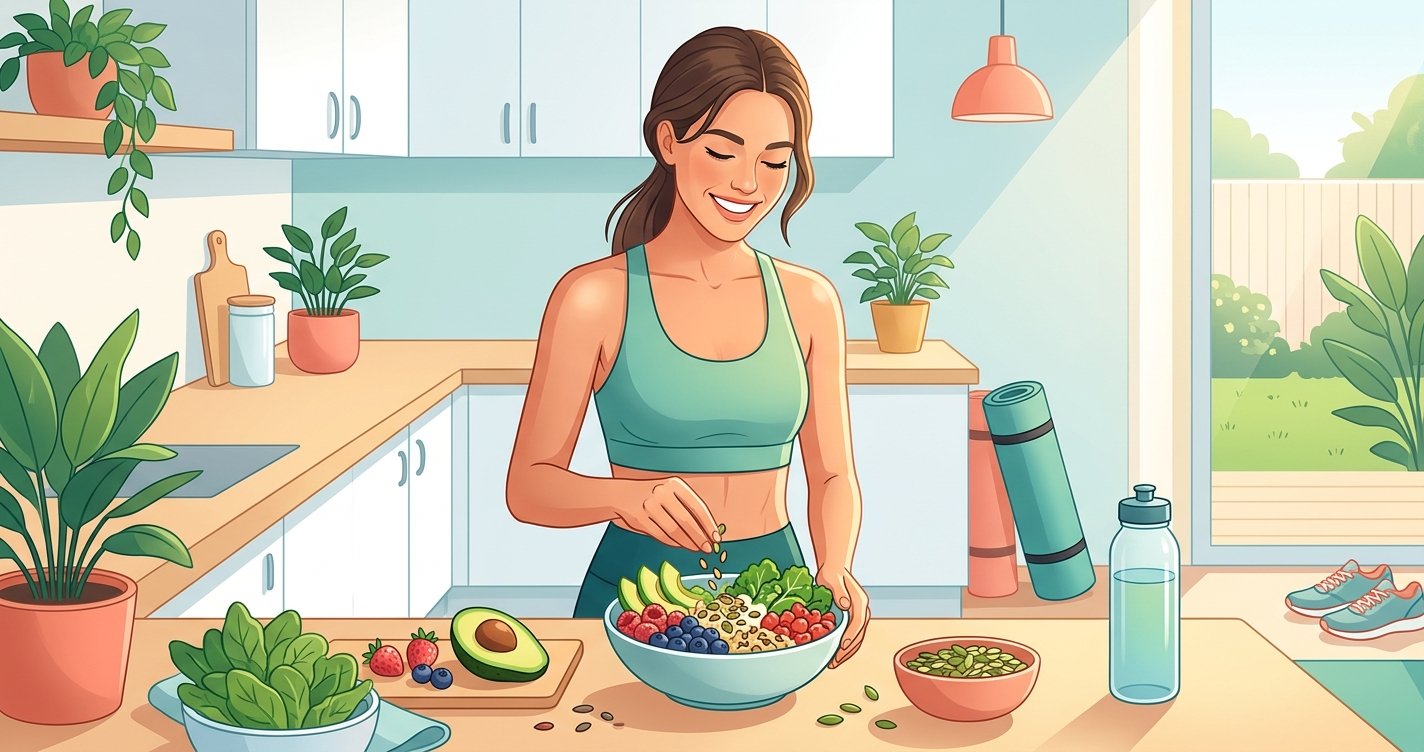
Have you ever started a 'diet' with incredible enthusiasm, only to find yourself back where you started (or even heavier) a few months later? You're not alone. The world of fat loss is often plagued by quick fixes, restrictive plans, and promises of rapid results. While these might offer temporary satisfaction, they rarely lead to lasting change. The truth is, sustainable fat loss isn't about deprivation; it's about building healthy habits that support your body and mind for the long haul. It's about ditching the crash diets and embracing a journey towards a healthier, happier you.
In this guide, we're going to explore what truly works for sustainable fat loss, backed by evidence and designed to empower you. Forget the restrictive rules and embrace a more balanced, enjoyable approach that you can maintain for life. Let's unlock the secrets to achieving lasting results and feeling great in your own skin! this excellent wellness product
The Problem with Quick Fixes and Crash Diets
We've all been there: lured by the promise of shedding pounds in record time. Crash diets typically involve severely restricting calories, cutting out entire food groups, or relying on specific 'detox' products. While the scale might show a rapid drop initially, much of this is often water weight and not actual fat loss. Here's why these approaches almost always backfire:
- Metabolic Adaptation: Your body is incredibly smart. When you drastically cut calories, your metabolism slows down to conserve energy, making it harder to lose fat and easier to regain weight once you return to normal eating.
- Nutrient Deficiencies: Restrictive diets often lack essential vitamins, minerals, and macronutrients, leading to fatigue, poor concentration, and long-term health issues.
- Muscle Loss: Without adequate protein and strength training, rapid weight loss often includes a significant amount of muscle mass. Muscle is metabolically active, meaning less muscle equals a slower metabolism.
- Psychological Toll: Deprivation leads to intense cravings, mood swings, and an unhealthy relationship with food. This often results in a 'rebound' effect, where people overeat or binge, leading to feelings of guilt and failure.
- Unsustainability: Can you truly stick to a liquid-only diet or eat just one specific food for the rest of your life? Probably not. Sustainability is key for lasting results.
Understanding the Foundation: A Gentle Calorie Deficit
At its core, fat loss comes down to creating a calorie deficit – consuming slightly fewer calories than your body burns. However, the key word here is 'gentle.' This isn't about starvation; it's about smart choices that allow your body to tap into its fat stores for energy without feeling deprived.
Think of your body as a car. If you put less fuel in than it uses to drive, it will eventually run out. Similarly, if you consistently consume slightly fewer calories than your body needs for its daily functions and activities, it will start to use stored fat for energy. A good starting point for a sustainable deficit is typically 300-500 calories below your maintenance level. You can estimate your maintenance calories using online TDEE (Total Daily Energy Expenditure) calculators, but remember these are just estimates. The best way to find your sweet spot is to track your intake and observe your progress over a few weeks.
Crucially, this deficit needs to be manageable and enjoyable. You shouldn't feel constantly hungry or deprived. The goal is to make small, consistent adjustments that you can easily integrate into your daily life.
Fueling Your Body Right: Nutrient-Dense Foods for Satiety and Health
While a calorie deficit is fundamental, how you achieve that deficit makes all the difference. Focusing on nutrient-dense, whole foods will not only help you feel fuller on fewer calories but also nourish your body for optimal health and energy.
- Prioritize Protein: Protein is your best friend for fat loss. It's incredibly satiating, meaning it keeps you feeling full for longer, reducing cravings. It also helps preserve muscle mass during a calorie deficit, which is crucial for maintaining a healthy metabolism. Aim for a good source of lean protein at every meal: chicken, turkey, fish, eggs, Greek yogurt, tofu, lentils, beans.
- Embrace Fiber-Rich Foods: Foods high in fiber, like vegetables, fruits, whole grains, and legumes, add bulk to your meals without adding many calories. Fiber slows digestion, promotes satiety, and supports a healthy gut, all of which are beneficial for fat loss and overall well-being.
- Don't Fear Healthy Fats: While fats are calorie-dense, healthy fats (from sources like avocados, nuts, seeds, and olive oil) are essential for hormone production, nutrient absorption, and satiety. Enjoy them in moderation.
- Hydrate, Hydrate, Hydrate: Often overlooked, adequate water intake is vital. Sometimes, thirst is mistaken for hunger. Drinking plenty of water can help manage appetite, boost metabolism, and keep your body functioning optimally.
Move Your Body, Build Your Strength: The Power of Exercise
Exercise isn't just about 'burning calories'; it's a powerful tool for sculpting your body, boosting your metabolism, improving your mood, and enhancing overall health. For sustainable fat loss, a combination of strength training and cardiovascular exercise is ideal.
- Strength Training is Non-Negotiable: Lifting weights (or using your body weight) is paramount. It helps build and preserve muscle mass, which is critical for a healthy metabolism. More muscle means your body burns more calories at rest. Aim for 2-4 sessions per week, focusing on compound movements that work multiple muscle groups.
- Cardio for Heart Health and Calorie Burn: Cardiovascular exercise (like walking, jogging, cycling, or swimming) is excellent for heart health, improves endurance, and contributes to your calorie deficit. Find activities you enjoy so you'll stick with them! Even brisk daily walks can make a significant difference.
- Increase NEAT (Non-Exercise Activity Thermogenesis): This simply means moving more throughout your day outside of structured workouts. Take the stairs, park further away, walk during phone calls, do some chores. These small movements add up and contribute significantly to your daily calorie expenditure.
The Mind-Body Connection: Sleep, Stress, and Mindful Eating
Fat loss isn't purely a physical game; your mental and emotional well-being play a massive role. Neglecting these aspects can sabotage even the best diet and exercise plans.
- Prioritize Sleep: Lack of sleep wreaks havoc on your hormones. It increases ghrelin (the hunger hormone) and decreases leptin (the satiety hormone), making you feel hungrier and less satisfied. Aim for 7-9 hours of quality sleep per night to support healthy hormone balance and recovery.
- Manage Stress: Chronic stress elevates cortisol levels, a hormone that can promote fat storage, particularly around the midsection. Find healthy ways to manage stress, whether it's meditation, yoga, spending time in nature, or engaging in hobbies you love.
- Practice Mindful Eating: Slow down and pay attention to your food. Notice the flavors, textures, and your body's hunger and fullness cues. Avoid distractions like screens while eating. Mindful eating helps you recognize when you're truly hungry versus eating out of boredom, stress, or habit.
- Cultivate Patience and Self-Compassion: Fat loss is a journey, not a race. There will be ups and downs. Be patient with yourself, celebrate small victories, and don't let a slip-up derail your entire progress. Learn from it and move forward.
Building Habits, Not Just Dieting: The Key to Long-Term Success
The biggest difference between a crash diet and sustainable fat loss is the focus on habit building. Instead of seeing your healthy choices as temporary restrictions, view them as permanent upgrades to your lifestyle.
- Start Small, Be Consistent: Don't try to overhaul everything at once. Pick one or two small changes you can realistically stick to, like adding a serving of vegetables to every meal or going for a 20-minute walk daily. Consistency over perfection is the mantra here.
- Track Progress Beyond the Scale: The scale doesn't tell the whole story. Measure your waist circumference, take progress photos, notice how your clothes fit, track your energy levels, strength gains, and overall mood. These non-scale victories are incredibly motivating and reflect true progress.
- Plan Ahead: Meal prepping, packing healthy snacks, and scheduling workouts can prevent impulsive, less healthy choices when time is tight or hunger strikes.
- Seek Support: Share your goals with a supportive friend or family member, or consider working with a qualified coach or dietitian. Accountability and expert guidance can make a huge difference.
- Learn and Adapt: Your body and circumstances change. Be open to learning about nutrition and exercise, and be willing to adapt your approach as needed.
Sustainable fat loss isn't about chasing a number on the scale; it's about chasing a healthier, more vibrant life. It's about empowering yourself with knowledge, making choices that nourish your body and mind, and building habits that will serve you for years to come. Ditch the quick fixes, embrace the journey, and enjoy the lasting results of a truly healthy lifestyle. You've got this!