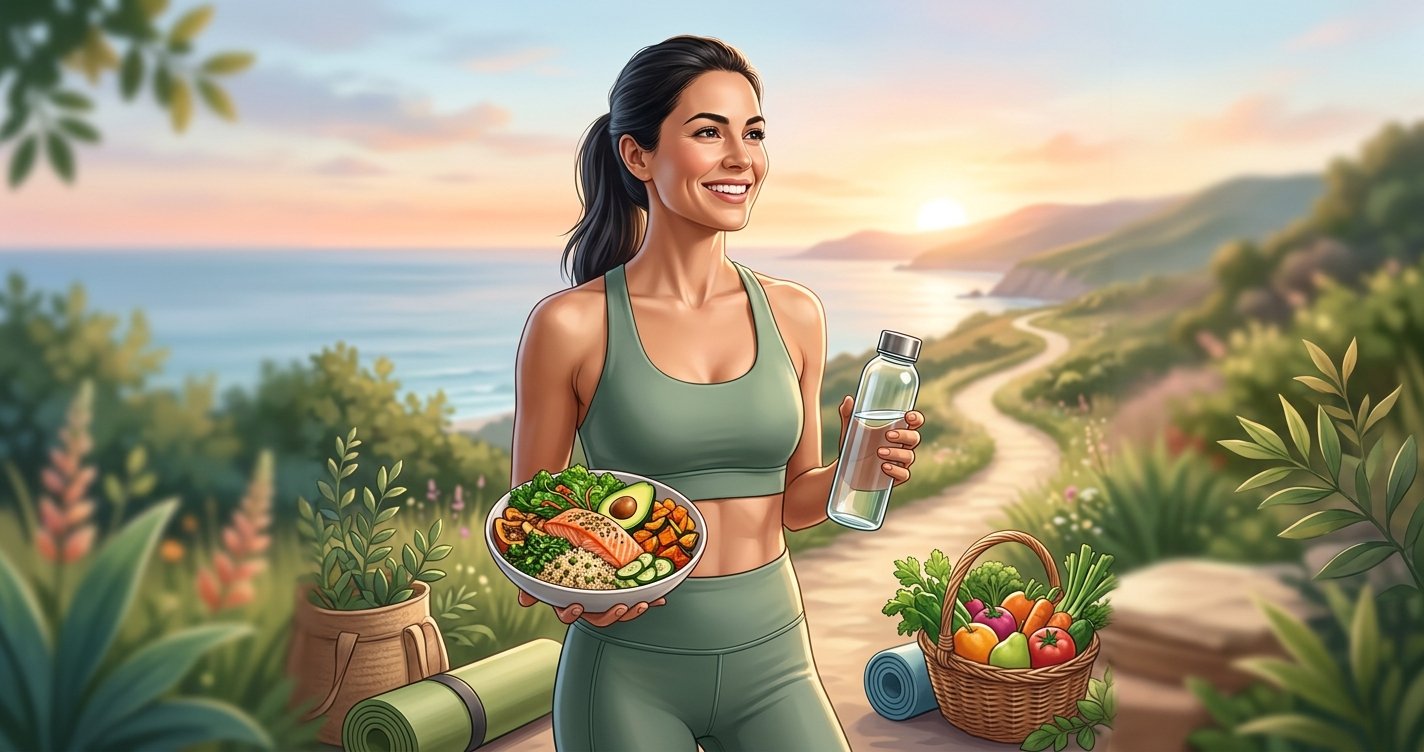
Are you tired of the endless cycle of crash diets, restrictive eating, and the frustrating rebound weight gain? You're not alone. In a world obsessed with quick fixes, it's easy to get caught in the trap of extreme measures, only to find yourself back at square one, feeling defeated. But what if there was a better way? A path to fat loss that's not only effective but also sustainable, enjoyable, and doesn't require you to sacrifice your favorite foods or your sanity?
Welcome to the world of sustainable fat loss – a journey focused on building healthy habits, understanding your body, and making gradual, positive changes that stick for life. This isn't about deprivation; it's about empowerment. It's about achieving a leaner, stronger, and healthier you without the roller coaster of extreme dieting. Let's dive in and discover how to make fat loss a lasting success story. this excellent wellness product
Why Crash Diets Fail (And What to Do Instead)
The allure of losing 10 pounds in a week is powerful, but the reality of crash diets is often disappointing and even detrimental to your health. These extreme approaches typically involve severe calorie restriction, cutting out entire food groups, and often lead to:
- Metabolic Slowdown: Your body is smart. When faced with extreme calorie deficits, it adapts by slowing down your metabolism to conserve energy, making it harder to lose fat in the long run.
- Muscle Loss: Rapid weight loss often comes at the cost of precious muscle mass, which is crucial for a healthy metabolism and a toned physique.
- Nutrient Deficiencies: Restrictive diets can leave you lacking essential vitamins and minerals, impacting energy levels, mood, and overall health.
- Rebound Weight Gain: Once the diet ends (and they always do, because they're unsustainable), the body, often deprived and stressed, tends to regain the lost weight, sometimes even more. This is often due to increased hunger hormones and a slower metabolism.
- Psychological Toll: Constant hunger, cravings, mood swings, and feelings of failure can lead to an unhealthy relationship with food and your body.
Instead of battling your body, let's learn to work with it. Sustainable fat loss is about creating a gentle, consistent calorie deficit, prioritizing nutrient-dense foods, and supporting your body's natural functions.
The Cornerstone of Sustainable Fat Loss: Calorie Deficit (Smartly Done)
At its core, fat loss boils down to one fundamental principle: consuming fewer calories than your body expends. This creates a calorie deficit. However, the key here is 'smartly done.' A sustainable deficit is typically modest, around 300-500 calories below your daily maintenance needs. This allows for steady fat loss (1-2 pounds per week) without triggering the extreme metabolic adaptations or hunger pangs associated with crash diets.
How do you figure this out? You can estimate your Total Daily Energy Expenditure (TDEE) using online calculators, then subtract a modest amount. The beauty of a small deficit is that it's often achievable by making minor adjustments to your diet and incorporating more movement, rather than drastic overhauls.
Fueling Your Body Right: Nutrition for Lasting Results
While a calorie deficit is king for fat loss, the quality of those calories dictates how you feel, how much muscle you retain, and how sustainable your efforts will be. Focus on whole, unprocessed foods that provide maximum nutrients and satiety.
Power of Protein: Muscle Preservation & Satiety
Protein is your secret weapon for fat loss. It's the most satiating macronutrient, meaning it keeps you feeling fuller for longer, reducing the likelihood of overeating. More importantly, a high protein intake helps preserve muscle mass while you're in a calorie deficit, which is crucial for maintaining a healthy metabolism and achieving a toned physique. Aim for 0.7-1 gram of protein per pound of body weight daily.
- Sources: Lean meats, poultry, fish, eggs, dairy (Greek yogurt, cottage cheese), legumes, tofu, tempeh, protein powder.
Fiber & Complex Carbs: Your Satiety Superheroes
Don't fear carbohydrates! The right kind of carbs – complex carbohydrates rich in fiber – are essential for energy, gut health, and satiety. Fiber adds bulk to your meals, slows digestion, and helps regulate blood sugar, preventing energy crashes and cravings.
- Sources: Whole grains (oats, quinoa, brown rice), fruits, vegetables, legumes.
Don't Fear Healthy Fats: Essential for Hormones & Health
Fats are calorie-dense, but they are vital for hormone production, nutrient absorption, and overall health. Healthy fats also contribute to satiety. The key is moderation and choosing the right types of fats.
- Sources: Avocados, nuts, seeds, olive oil, fatty fish (salmon, mackerel).
Move Your Body, Not Just to Burn Calories
Exercise isn't just about burning calories; it's about building a stronger, healthier, and more resilient body. While a calorie deficit primarily drives fat loss, strategic exercise plays a crucial role in improving body composition, boosting metabolism, and enhancing overall well-being.
Lift Weights: Your Best Friend for a Leaner Physique
Strength training is arguably the most important type of exercise for sustainable fat loss. It helps you:
- Preserve Muscle: As mentioned, muscle is metabolically active. Lifting weights signals to your body that you need to keep your muscle mass, even in a deficit.
- Boost Metabolism: More muscle means a higher resting metabolic rate, meaning you burn more calories even at rest.
- Improve Body Composition: You'll not only lose fat but also gain strength and shape, leading to a more toned and athletic appearance.
Aim for 2-4 strength training sessions per week, focusing on compound movements (squats, deadlifts, presses, rows).
Cardio: Heart Health & Extra Burn
Cardiovascular exercise is excellent for heart health, endurance, and can contribute to your calorie deficit. It doesn't have to be hours on the treadmill. Incorporate activities you enjoy, whether it's brisk walking, jogging, cycling, swimming, or dancing. Even increasing your daily non-exercise activity thermogenesis (NEAT) – like taking the stairs, parking further away, or standing more – can make a significant difference over time.
Beyond Food & Exercise: The Unsung Heroes of Fat Loss
Sustainable fat loss isn't just about what you eat and how much you move. Lifestyle factors often play a surprisingly powerful role.
The Power of Shut-Eye: Sleep's Role in Hormones & Cravings
Lack of sleep wreaks havoc on your hormones, specifically ghrelin (the hunger hormone) and leptin (the satiety hormone). When you're sleep-deprived, ghrelin levels rise, making you feel hungrier, while leptin levels fall, meaning you don't feel as full. This can lead to increased cravings for high-calorie, sugary foods. Aim for 7-9 hours of quality sleep per night.
Taming Stress: Cortisol and Belly Fat
Chronic stress triggers the release of cortisol, a hormone that, among other things, can promote fat storage, particularly around the abdominal area. Finding healthy ways to manage stress – through meditation, yoga, spending time in nature, or hobbies – is vital for both mental well-being and fat loss.
Cultivating a Sustainable Mindset: Patience & Consistency
Perhaps the most crucial ingredient for sustainable fat loss is developing the right mindset. This journey is not linear; there will be plateaus, setbacks, and moments of frustration. Embrace the process, celebrate small victories, and remember that consistency trumps perfection every single time.
- Be Patient: Sustainable fat loss is a marathon, not a sprint. Trust the process and don't get discouraged by slow progress.
- Be Consistent: Small, consistent efforts over time yield massive results. Focus on building habits you can stick with daily.
- Practice Self-Compassion: Don't beat yourself up over an occasional slip-up. Acknowledge it, learn from it, and get back on track.
- Focus on Habits, Not Just the Scale: Celebrate non-scale victories like increased energy, better sleep, stronger lifts, and clothes fitting better.
Your Journey to Lasting Fat Loss Starts Now
Ditching the crash diets and embracing a sustainable approach to fat loss is perhaps the kindest, most effective thing you can do for your body and mind. It's about making peace with food, enjoying movement, prioritizing your well-being, and building habits that support a healthier, happier you for the long haul.
Remember, you don't need perfection, just consistent effort and a belief in your ability to make lasting change. Start small, be kind to yourself, and enjoy the incredible journey to a stronger, leaner, and more vibrant you!