Unlock Sustainable Fat Loss: Your Friendly Guide to Lasting Results
Feeling trapped in a cycle of extreme diets, quick fixes, and disappointing rebounds? You’re not alone. The world of fat loss is often cluttered with tempting promises of rapid results, but these rarely lead to lasting health or happiness. If you’re ready to step off the rollercoaster and embrace a journey that truly transforms your body and mind, you’ve come to the right place.
This guide isn't about deprivation or grueling workouts you dread. It’s about understanding your body, building sustainable habits, and finding joy in the process of becoming your healthiest self. We'll explore evidence-based strategies that prioritize long-term well-being over fleeting numbers on a scale. Let's ditch the crash diets and embrace a path to sustainable fat loss and vibrant health! this excellent wellness product
Why Crash Diets Always Fail (and What to Do Instead)
Crash diets, often characterized by severe calorie restriction or eliminating entire food groups, might offer initial rapid weight loss, but they come at a steep cost. Your body is incredibly intelligent and designed for survival. When you drastically cut calories, it perceives a famine, triggering several protective mechanisms:
- Metabolic Slowdown: Your metabolism adapts by slowing down to conserve energy, making it harder to lose weight and easier to regain it once you stop dieting.
- Muscle Loss: A significant portion of the initial weight lost on crash diets is often muscle, not just fat. Muscle is metabolically active, meaning it burns more calories at rest, so losing it further hinders your long-term fat loss efforts.
- Hormonal Imbalance: Extreme dieting can disrupt hormones like leptin (satiety hormone) and ghrelin (hunger hormone), leading to increased cravings and a constant feeling of hunger.
- Psychological Toll: Deprivation often leads to intense cravings, emotional eating, and a negative relationship with food, making adherence impossible in the long run.
Instead of a crash, think consistency and moderation. Sustainable fat loss is a marathon, not a sprint. It’s about making small, manageable changes you can stick with for life.
The Foundation: Gentle Nutrition for Sustainable Results
Nutrition is paramount, but it doesn't have to be complicated or restrictive. Focus on nourishing your body, not punishing it.
Understanding Your Energy Balance (Without Obsession)
At its core, fat loss requires a calorie deficit – consuming fewer calories than your body burns. However, this doesn't mean meticulously counting every single calorie for the rest of your life. Instead, focus on:
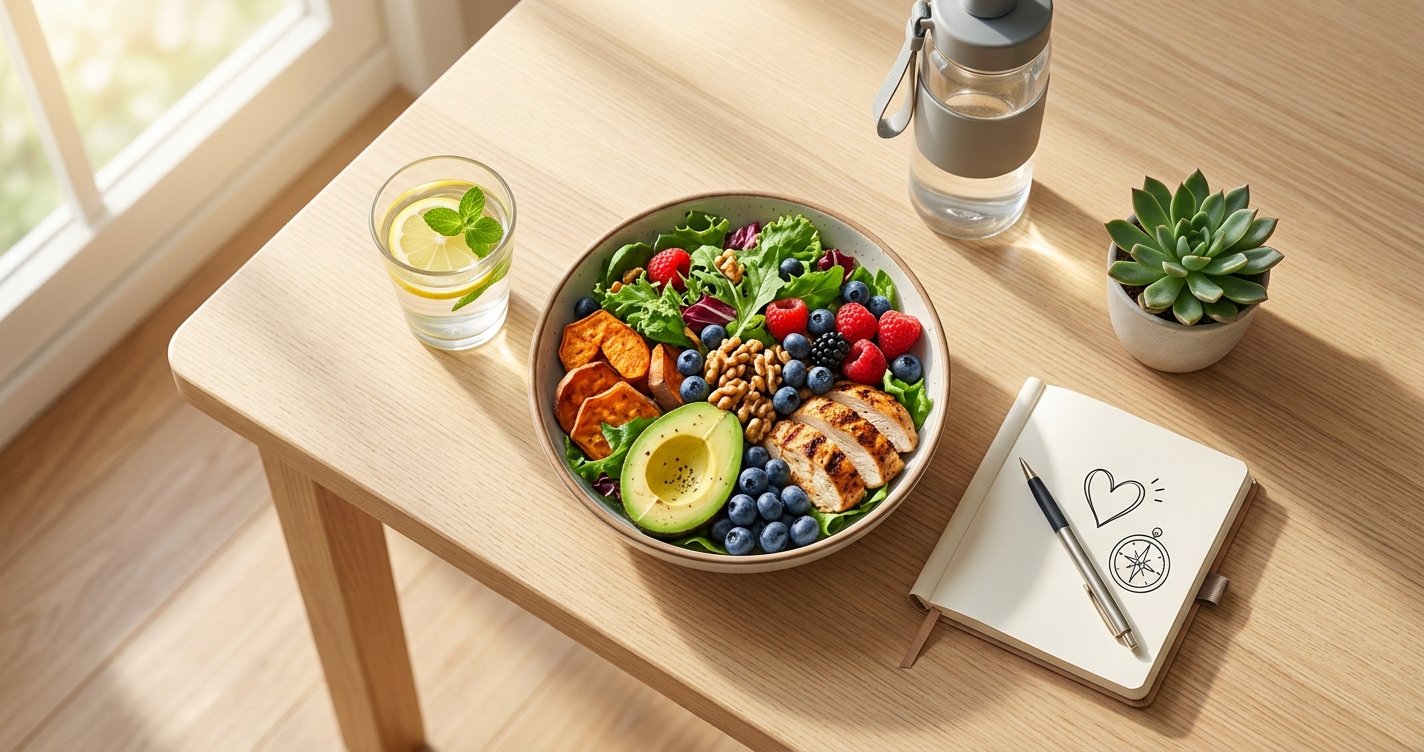
- Prioritizing Whole Foods: Fill your plate with nutrient-dense, minimally processed foods like fruits, vegetables, lean proteins, and whole grains. These are naturally lower in calories and higher in nutrients.
- Portion Awareness: Learn what a healthy portion looks like for you. It’s not about tiny portions, but about understanding appropriate serving sizes.
- Mindful Eating: Pay attention to your hunger and fullness cues. Eat slowly, savor your food, and stop when you're satisfied, not stuffed.
The Power of Protein & Fiber
These two nutrients are your best friends for fat loss:
- Protein: Essential for building and repairing muscle, protein is also incredibly satiating, helping you feel fuller for longer. This reduces overall calorie intake naturally. Aim for a good source of protein at every meal (e.g., chicken, fish, eggs, tofu, lentils, Greek yogurt).
- Fiber: Found in fruits, vegetables, whole grains, and legumes, fiber adds bulk to your meals, promotes satiety, and aids digestion. It also helps stabilize blood sugar levels, preventing energy crashes and cravings.
Hydration: Your Unsung Fat Loss Hero
Don't underestimate the power of water! Staying well-hydrated can:
- Boost Metabolism: Water is crucial for countless bodily functions, including metabolism.
- Reduce Hunger: Sometimes, thirst is mistaken for hunger. Drinking a glass of water before meals can help you eat less.
- Improve Energy Levels: Dehydration can lead to fatigue, making you less likely to be active.
Aim for at least 8 glasses of water a day, more if you're active.
Move Your Body, Not Just the Scale: The Role of Activity
Exercise isn't just about burning calories; it's about building a stronger, healthier, and more capable body. Find activities you genuinely enjoy to make movement a sustainable part of your life.
Embrace Strength Training
If there's one exercise to prioritize for sustainable fat loss, it's strength training. Building muscle mass is key because:
- Boosts Metabolism: Muscle tissue burns more calories at rest than fat tissue. More muscle means a higher resting metabolic rate, helping you burn more calories around the clock.
- Body Recomposition: Strength training helps you lose fat while preserving or even building muscle, leading to a leaner, more toned physique, even if the scale doesn't change dramatically.
- Functional Strength: It improves your overall strength, mobility, and bone density, enhancing your quality of life.
Aim for 2-3 full-body strength training sessions per week. You can use bodyweight, resistance bands, dumbbells, or gym machines.
Find Joy in Movement
Beyond structured workouts, integrate more movement into your daily life. This is known as NEAT (Non-Exercise Activity Thermogenesis) and it plays a significant role in overall calorie expenditure.
- Take the stairs instead of the elevator.
- Walk or bike to nearby destinations.
- Go for a brisk walk during your lunch break.
- Stand more throughout the day.
- Engage in active hobbies like hiking, dancing, or gardening.
Consistency is more important than intensity. Find activities you enjoy and look forward to!
Beyond Food & Exercise: Lifestyle Factors That Matter
Fat loss isn't just about what you eat and how you move; it's deeply intertwined with your overall lifestyle. Neglecting these areas can sabotage even the best diet and exercise plans.
Prioritize Sleep for Hormonal Harmony
Adequate sleep (7-9 hours per night) is crucial. Lack of sleep can:
- Disrupt Hunger Hormones: Increase ghrelin (hunger) and decrease leptin (satiety), leading to increased appetite and cravings for unhealthy foods.
- Elevate Cortisol: Chronic sleep deprivation raises cortisol levels, a stress hormone that can promote fat storage, especially around the abdomen.
- Reduce Energy: Poor sleep makes you less likely to exercise and more likely to make poor food choices.
Make sleep a non-negotiable part of your fat loss strategy.
Stress Less, Lose More
Chronic stress, much like lack of sleep, keeps cortisol levels elevated. This can lead to:
- Increased appetite and cravings, particularly for high-calorie, comfort foods.
- Preferential fat storage around the midsection.
- Difficulty adhering to healthy habits.
Find healthy ways to manage stress: meditation, yoga, spending time in nature, hobbies, or talking to a trusted friend. Your mental well-being is a cornerstone of sustainable fat loss.
Mindful Eating: Reconnecting with Your Body's Cues
Mindful eating isn't a diet; it's a practice of paying attention to the experience of eating, without judgment. It involves:
- Eating slowly and without distractions (no screens!).
- Savoring flavors and textures.
- Recognizing physical hunger and fullness cues.
- Understanding emotional triggers for eating.
This practice helps you build a healthier relationship with food, prevent overeating, and truly enjoy your meals.
Measuring Progress Beyond the Scale
The scale can be a useful tool, but it doesn't tell the whole story. Muscle gain, water retention, and hormonal fluctuations can all mask fat loss. Focus on a holistic view of progress:
- How your clothes fit: Are they looser? This is a great indicator of fat loss.
- Body measurements: Track changes in your waist, hips, and arms.
- Progress photos: Visual changes can be incredibly motivating.
- Strength and endurance: Are you lifting heavier, running further, or moving with more ease?
- Energy levels: Do you feel more energetic throughout the day?
- Mood and confidence: Are you feeling better emotionally?
- Sleep quality: Is your sleep improving?
Celebrate these non-scale victories! They are often more indicative of true, sustainable progress.
Your Journey to Lasting Health Starts Now
Sustainable fat loss isn't about perfection; it's about consistency, patience, and self-compassion. It’s about building a lifestyle that supports your health goals, not just for a few weeks, but for life. Ditch the quick fixes and embrace the journey of mindful eating, joyful movement, quality sleep, and stress management.
Remember, this is your unique journey. Be kind to yourself, celebrate every small victory, and trust the process. You have the power to create lasting health and a body you love living in. Start today by choosing one small, sustainable habit to implement, and watch how it transforms your future.