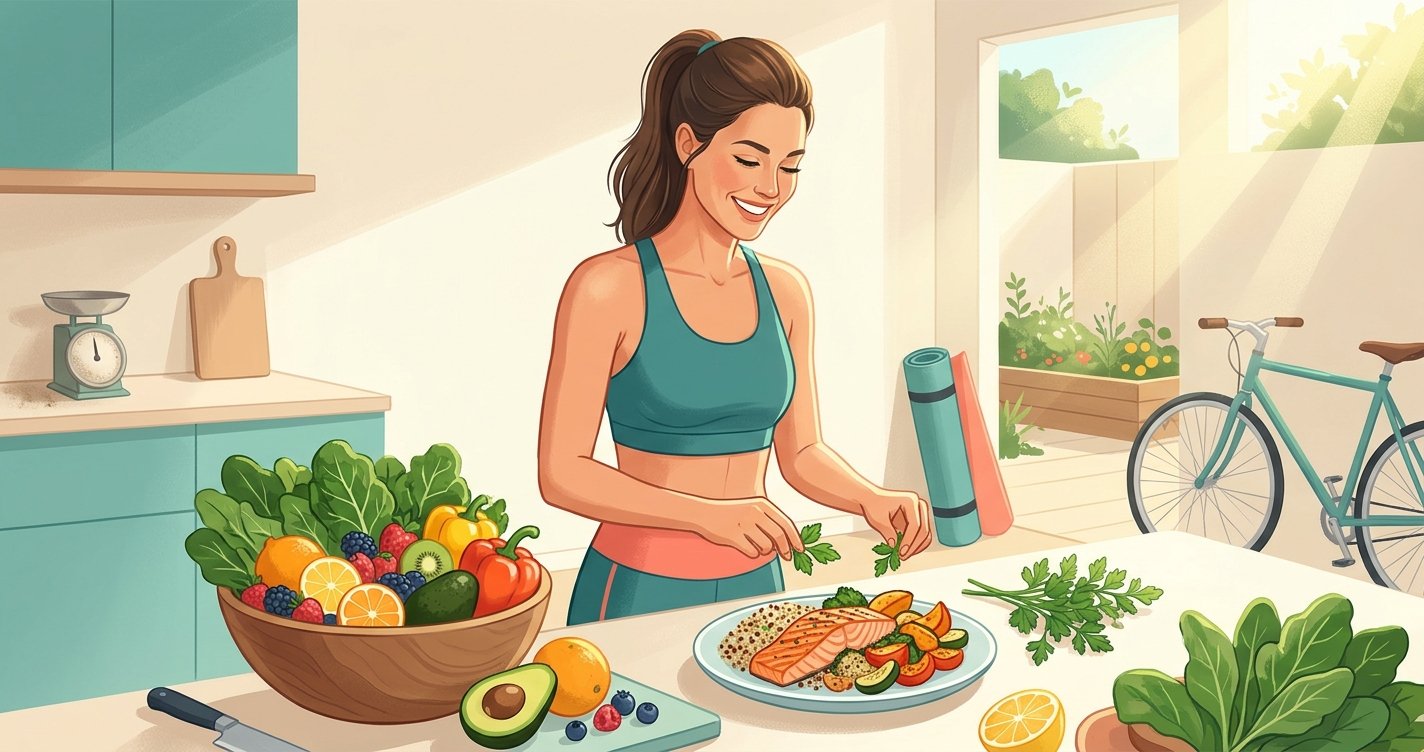
Tired of the Yo-Yo? Why Sustainable Fat Loss is Your Only Path to Lasting Results
In a world obsessed with quick fixes and instant gratification, the allure of crash diets for rapid fat loss is powerful. "Lose 10 pounds in a week!" "Shred fat with this one weird trick!" Sound familiar? We've all been there, tempted by the promise of a leaner, healthier self, only to find ourselves on a frustrating roller coaster of restrictive eating, temporary weight loss, and inevitable rebound. But what if there was a better way? A path that not only helps you shed unwanted fat but also improves your overall health, boosts your energy, and empowers you to maintain your results for life?
Welcome to the world of sustainable fat loss. This isn't about deprivation or extreme measures; it's about making smart, evidence-based choices that respect your body, fuel your mind, and fit seamlessly into your life. Forget the guilt, the endless hunger, and the feeling of failure. Today, we're going to explore how you can achieve real, lasting fat loss without resorting to the very strategies that often leave you worse off than when you started. Get ready to transform your body and your relationship with food, for good! this excellent wellness product
The Problem with Crash Diets: Why They Fail (and Harm You)
Before we dive into the solutions, it's crucial to understand why the quick-fix approach is a dead end. Crash diets, characterized by extremely low-calorie intake, elimination of entire food groups, or reliance on shakes and supplements, might offer initial rapid weight loss. However, this loss is often misleading and comes at a significant cost to your health and long-term success.
Metabolic Slowdown & Muscle Loss
When you drastically cut calories, your body perceives it as a famine. To conserve energy, your metabolism slows down. Even worse, a significant portion of the initial "weight loss" from crash diets isn't just fat; it's often water and precious muscle mass. Muscle is metabolically active, meaning it burns more calories at rest than fat does. Losing muscle makes it even harder to burn calories, setting you up for future weight gain.
Rebound Weight Gain (The Yo-Yo Effect)
Once you inevitably go off the unsustainable crash diet, your slowed metabolism and reduced muscle mass mean your body is primed to regain weight, often more than you lost initially. This "yo-yo" dieting cycle isn't just frustrating; it can negatively impact your metabolism, body composition, and even your mental health.
Mental & Emotional Toll
Constant hunger, food preoccupation, social isolation due to restrictive eating, and the guilt associated with "cheating" can lead to increased stress, anxiety, and even disordered eating patterns. Sustainable fat loss prioritizes your mental and emotional well-being just as much as your physical health.
The Foundation of Sustainable Fat Loss: A Gentle Calorie Deficit
At its core, fat loss requires creating a calorie deficit – consuming slightly fewer calories than your body burns. However, the key word here is "gentle" and "sustainable."
Understanding Energy Balance (Calories In vs. Calories Out)
Think of your body like a car. Calories are its fuel. If you put in more fuel than you burn, you store the excess (as fat). If you put in less, your body taps into its stored fuel (fat) for energy. It's a fundamental principle, but its application is where sustainability comes in.
How to Create a Moderate Deficit (No Starvation Required!)
Instead of slashing hundreds or thousands of calories overnight, aim for a modest deficit of 300-500 calories per day. This allows your body to gradually adapt, minimizes muscle loss, and keeps hunger at bay. You can achieve this by making small, consistent changes to your diet and increasing your activity levels. Tools like online calorie calculators can help you estimate your daily calorie needs, but remember they are just estimates – listen to your body and adjust as needed.
Fuel Your Body Smart: Nutrition for Lasting Results
Sustainable fat loss isn't about eating less; it's about eating better. Focusing on nutrient-dense, satisfying foods is paramount.
Prioritize Protein: Satiety & Muscle Preservation
Protein is your best friend for fat loss. It's incredibly satiating, helping you feel fuller for longer, and it's essential for preserving and building muscle mass. Aim for a good source of lean protein at every meal: chicken breast, fish, eggs, Greek yogurt, lentils, beans, tofu.
Embrace Whole Foods: Fiber, Nutrients, & Fullness
Swap processed snacks and refined grains for whole, unprocessed foods. Fruits, vegetables, whole grains (oats, brown rice, quinoa), and legumes are packed with fiber, vitamins, and minerals. Fiber adds bulk to your meals, aids digestion, and contributes to a feeling of fullness, naturally helping you eat less without feeling deprived.
Don't Fear Healthy Fats: Hormones & Satiety
While fats are calorie-dense, healthy fats (from avocados, nuts, seeds, olive oil) are crucial for hormone production, nutrient absorption, and satiety. They help keep you feeling satisfied and prevent cravings. Enjoy them in moderation.
Smart Carb Choices: Energy for Your Workouts
Carbohydrates are your body's primary energy source. Instead of cutting them out, choose complex carbohydrates that provide sustained energy and fiber. Think sweet potatoes, oats, brown rice, and whole-wheat bread. Timing your carb intake around your workouts can also be beneficial.
Hydration is Key
Often overlooked, drinking enough water is vital. It aids metabolism, helps you feel full, and can even prevent you from mistaking thirst for hunger. Aim for at least 8 glasses a day, more if you're active.
Move Your Body, Build Your Strength: The Exercise Equation
While nutrition is king for fat loss, exercise is the powerful queen that helps shape your body, boost your metabolism, and improve your overall health.
Strength Training: Your Fat-Loss Superpower
If you're not lifting weights, you're missing out on a huge opportunity. Strength training builds and preserves muscle mass, which as we discussed, boosts your resting metabolism. It also sculpts your body, creating a leaner, more toned physique. Aim for 2-3 full-body strength training sessions per week.
Cardio for Health & Calorie Burn (But Don't Overdo It)
Cardiovascular exercise (like brisk walking, jogging, cycling, swimming) is excellent for heart health and burns calories. However, excessive cardio without adequate nutrition can sometimes lead to muscle loss and increased hunger. Find a balance that you enjoy, perhaps 30-60 minutes of moderate-intensity cardio 3-4 times a week, or incorporate shorter bursts of high-intensity interval training (HIIT).
NEAT: The Unsung Hero of Daily Activity
NEAT stands for Non-Exercise Activity Thermogenesis – essentially, all the calories you burn from movement that isn't formal exercise. Think walking to work, taking the stairs, fidgeting, cleaning, gardening. Increasing your NEAT throughout the day can significantly contribute to your calorie expenditure without feeling like a workout. Get a step tracker and aim for 8,000-10,000 steps daily!
Beyond Food & Fitness: Lifestyle Pillars for Success
Sustainable fat loss isn't just about what you eat and how you move; it's a holistic approach that considers your entire lifestyle.
Quality Sleep: The Hormonal Regulator
Lack of sleep can wreak havoc on your fat loss efforts. It disrupts hormones like ghrelin (which increases hunger) and leptin (which signals fullness), making you hungrier and more likely to crave unhealthy foods. Aim for 7-9 hours of quality sleep per night.
Stress Management: Taming Cortisol
Chronic stress elevates cortisol, a hormone that can promote fat storage, especially around the abdomen. Find healthy ways to manage stress, such as meditation, yoga, spending time in nature, or engaging in hobbies you love.
Mindful Eating: Listening to Your Body
Slow down when you eat. Pay attention to your hunger and fullness cues. Eat until you're satisfied, not stuffed. Mindful eating helps you enjoy your food more and prevents overeating.
Consistency Over Perfection
Remember, this is a marathon, not a sprint. There will be days when you don't eat perfectly or miss a workout. That's okay! The key is to get back on track the next day. Consistency over time will yield results, not flawless execution every single moment.
Practical Tips to Get Started Today
- Start Small: Don't try to overhaul everything at once. Pick one or two changes to focus on each week (e.g., add protein to breakfast, walk 30 minutes daily).
- Meal Prep: Planning and preparing healthy meals in advance can save you time, money, and prevent impulsive unhealthy choices.
- Track Progress Beyond the Scale: While the scale can be a tool, it doesn't tell the whole story. Take progress photos, measure your waistline, notice how your clothes fit, and celebrate increased energy and strength.
- Seek Support: Share your goals with a supportive friend or family member. Consider working with a registered dietitian or certified personal trainer for personalized guidance.
- Be Patient and Kind to Yourself: Sustainable fat loss takes time. Celebrate small victories and treat yourself with compassion.
Embrace the Journey to a Healthier, Happier You
Ditching crash diets and embracing a sustainable approach to fat loss is one of the best decisions you can make for your long-term health and well-being. It's not about quick fixes; it's about building healthy habits that last a lifetime. By focusing on whole, nutritious foods, incorporating regular movement, prioritizing sleep, and managing stress, you're not just losing fat – you're gaining energy, vitality, and a healthier relationship with your body. Be patient, be persistent, and trust the process. Your healthier, happier self is waiting!