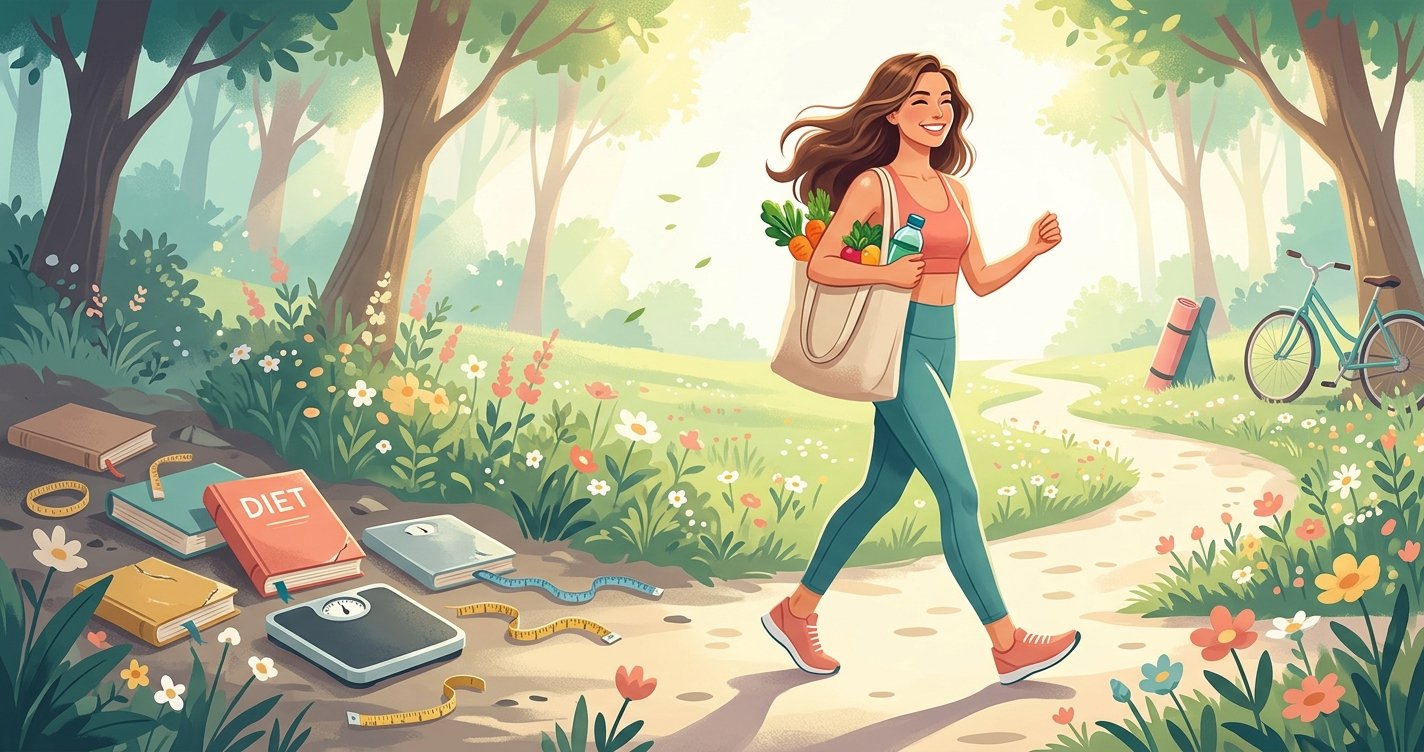
Tired of the Diet Treadmill? Discover Sustainable Fat Loss That Lasts
Have you ever started a diet with immense motivation, only to find yourself back where you began (or even further behind) a few months later? You're not alone. Millions of people embark on restrictive diets annually, hoping for quick fat loss, but often end up in a frustrating cycle of restriction, rebound, and disappointment. It's time to step off that treadmill and explore a different path: sustainable fat loss through a non-diet approach. This isn't about quick fixes or deprivation; it's about building habits that serve your body and mind for life, leading to lasting results and genuine well-being.
In this comprehensive guide, we'll dive into why traditional diets often fail, and how you can cultivate a lifestyle that promotes fat loss naturally, healthily, and sustainably. Get ready to transform your relationship with food, exercise, and your body, for good! this excellent wellness product
The Diet Treadmill: Why Traditional Diets Often Fail Long-Term
Traditional diets, particularly those that are highly restrictive, often promise rapid fat loss by drastically cutting calories or eliminating entire food groups. While they might show initial results, their long-term sustainability is often questionable. Why?
The Cycle of Restriction and Rebound: How Diets Set Us Up for Failure
When you severely restrict calories, your body perceives it as a famine. This triggers a cascade of physiological and psychological responses. You might feel constantly hungry, irritable, and obsessed with food. This mental strain often leads to 'cheating' or 'falling off the wagon,' which can then spiral into feelings of guilt and overeating, undoing all the hard work. This creates a vicious cycle where the rebound often leads to regaining lost weight, sometimes even more.
Metabolism and Adaptation: What Happens When You Severely Restrict Calories
Your body is incredibly adaptive. When calorie intake drops significantly, your metabolism can slow down to conserve energy. This phenomenon, known as 'adaptive thermogenesis,' means your body burns fewer calories at rest. Furthermore, restrictive dieting can lead to muscle loss along with fat loss. Since muscle tissue is metabolically more active than fat tissue, losing muscle further reduces your resting metabolic rate, making it harder to lose fat and easier to regain weight once you stop dieting.
Embracing a Non-Diet Approach: What Does it Mean?
A non-diet approach to sustainable fat loss isn't about ignoring your health goals; it's about reframing them. It shifts the focus from external rules and numbers to internal cues, self-care, and building healthy, enjoyable habits. It's about nourishing your body, not punishing it.
- Focus on Health, Not Just Weight: Prioritize overall well-being, energy levels, sleep, and mental health. Fat loss becomes a positive side effect of a healthier lifestyle.
- Listen to Your Body: Tune into hunger and fullness cues, rather than external meal plans.
- Flexibility and Moderation: There are no 'good' or 'bad' foods, only foods that nourish your body more or less frequently. Enjoy all foods in moderation.
- Patience and Consistency: Sustainable fat loss is a marathon, not a sprint. It's about consistent, small changes over time.
Fueling Your Body Smartly: Nutrition for Lasting Results
Forget strict meal plans and calorie counting. A sustainable approach to nutrition focuses on quality, balance, and mindful eating to support your body's needs for fat loss and overall health.
Prioritize Protein: The Satiety and Muscle-Preserving Powerhouse
Protein is your best friend when it comes to fat loss. It's incredibly satiating, meaning it helps you feel fuller for longer, reducing overall calorie intake. Furthermore, a higher protein intake helps preserve lean muscle mass during a calorie deficit, which is crucial for maintaining a healthy metabolism. Aim for a good source of protein at every meal: lean meats, poultry, fish, eggs, dairy, legumes, and plant-based protein powders.
Embrace Whole Foods: Fiber, Nutrients, and Satiation
Swap highly processed foods for whole, unprocessed options. Fruits, vegetables, whole grains, and healthy fats are packed with fiber, vitamins, and minerals. Fiber adds bulk to your meals, promoting satiety and aiding digestion. These nutrient-dense foods provide sustained energy and help regulate blood sugar, preventing energy crashes and cravings.
Mindful Eating: Listening to Your Body's Cues
Mindful eating is a powerful tool for sustainable fat loss. It involves paying attention to your body's hunger and fullness signals, eating slowly, savoring your food, and noticing how different foods make you feel. This practice helps you avoid overeating, enjoy your meals more, and develop a healthier relationship with food. Put away distractions, eat at a table, and truly taste your food.
Move Your Body, Strengthen Your Future: Exercise Beyond the Cardio Grind
Exercise isn't just about burning calories; it's about building strength, improving cardiovascular health, boosting mood, and enhancing overall body composition. For sustainable fat loss, a balanced approach is key.
The Power of Strength Training: Building Muscle for a Faster Metabolism
If you're not lifting weights, you're missing out on a huge component of sustainable fat loss. Strength training builds and maintains muscle mass. As mentioned, muscle burns more calories at rest than fat, so building more muscle effectively increases your resting metabolic rate, making your body a more efficient fat-burning machine even when you're not exercising. Aim for 2-4 strength training sessions per week, focusing on compound movements.
Incorporating NEAT: Everyday Movement Matters
NEAT stands for Non-Exercise Activity Thermogenesis – essentially, all the calories you burn doing anything that isn't sleeping, eating, or structured exercise. This includes walking, fidgeting, taking the stairs, gardening, and housework. Increasing your NEAT throughout the day can significantly contribute to your overall calorie expenditure and is a highly sustainable way to boost fat loss without feeling like a chore. Aim for more steps, stand more, and find ways to move throughout your day.
Finding Joy in Movement: Consistency Over Intensity
The best exercise program is the one you can stick to. Instead of forcing yourself into grueling workouts you hate, find activities you genuinely enjoy. Whether it's dancing, hiking, cycling, swimming, or playing a sport, consistency is far more important than intensity for long-term results. Enjoyment fosters adherence, which is the cornerstone of sustainable fat loss.
The Unsung Heroes: Sleep, Stress, and Hydration
Often overlooked, these fundamental aspects of health play a critical role in your body's ability to lose fat and maintain a healthy weight.
Sleep Your Way to Success: Hormonal Balance and Fat Loss
Lack of sleep can wreak havoc on your fat-loss efforts. Poor sleep disrupts hormones that regulate appetite (ghrelin and leptin), making you hungrier and less satisfied. It also increases cortisol levels (the stress hormone), which can promote fat storage, especially around the belly. Aim for 7-9 hours of quality sleep per night to optimize your body's fat-burning potential and improve overall well-being.
Taming Stress: Cortisol's Role and Practical Strategies
Chronic stress triggers the release of cortisol, which, like lack of sleep, can encourage fat storage and make it harder to lose weight. Finding healthy ways to manage stress is crucial. Incorporate stress-reducing practices into your daily routine: meditation, yoga, deep breathing exercises, spending time in nature, or engaging in hobbies you love. Prioritizing mental health is a powerful, often underestimated, strategy for sustainable fat loss.
Hydration for Health: Simple Yet Crucial
Water is essential for countless bodily functions, including metabolism. Staying adequately hydrated can help with satiety, boost energy levels, and ensure your body is functioning optimally. Sometimes, what feels like hunger is actually thirst. Make water your primary beverage choice and aim to drink plenty throughout the day.
Cultivating a Sustainable Mindset: Patience and Self-Compassion
Perhaps the most critical ingredient for sustainable fat loss is your mindset. This journey is not linear, and there will be ups and downs. Embrace them as part of the process.
- Focus on Progress, Not Perfection: Don't let a slip-up derail your entire effort. One 'bad' meal or missed workout doesn't define your journey. Get back on track at your next opportunity with self-compassion.
- Build Habits Gradually: Don't try to change everything at once. Pick one or two small, actionable habits to focus on each month. Small, consistent changes lead to significant long-term results.
- Celebrate Non-Scale Victories: Notice improvements in energy, strength, mood, sleep, or how your clothes fit. These non-scale victories are powerful motivators and indicators of true progress.
Your Journey to Lasting Fat Loss Starts Now
Ditching the diet mentality might feel daunting at first, especially if you've been conditioned by years of restrictive eating. However, embracing a sustainable, non-diet approach to fat loss is not just about changing your body; it's about transforming your entire relationship with health and well-being. By prioritizing protein and whole foods, engaging in enjoyable movement (especially strength training), optimizing sleep, managing stress, and staying hydrated, you're setting yourself up for success that lasts a lifetime.
Remember, this is your unique journey. Be patient, be kind to yourself, and trust in the power of consistent, healthy habits. The results – not just fat loss, but increased energy, better mood, and a stronger, healthier you – will be well worth it.