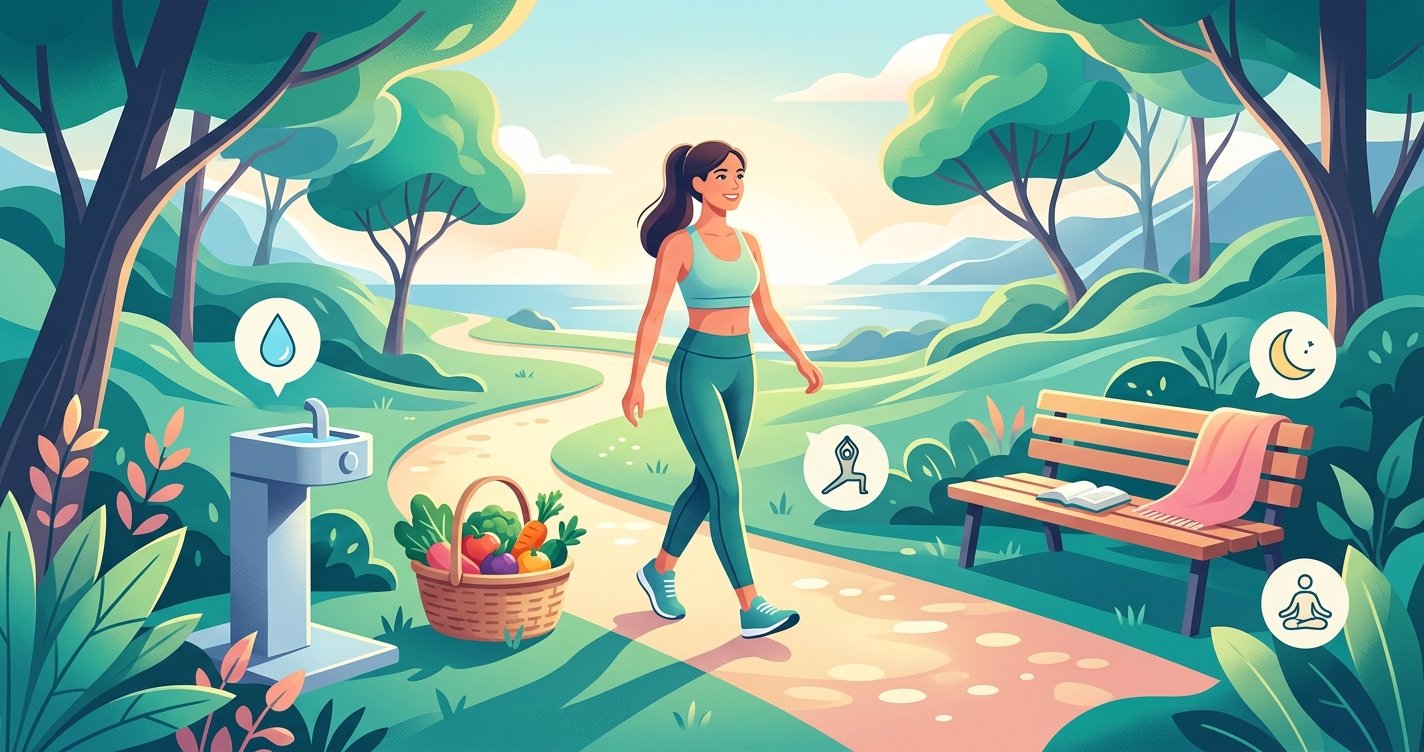
Are you tired of the endless cycle of restrictive diets, quick fixes, and the inevitable rebound? You’re not alone. The journey to fat loss can often feel like a frustrating rollercoaster, promising rapid results only to leave you feeling defeated and further from your goals. But what if there was a better way? A way that focuses not on deprivation, but on building lasting habits that genuinely support your body and mind?
Welcome to the world of sustainable fat loss. This isn't about the latest fad; it's about understanding your body, making informed choices, and cultivating a lifestyle that promotes health, vitality, and a body composition you're happy with, for good. Forget the crash diets and unrealistic expectations. Let's explore an evidence-based, friendly, and encouraging path to achieving your fat loss goals and maintaining them without the constant struggle. this excellent wellness product
Why Quick Fixes Fail (And What Works Instead)
The allure of a 'quick fix' is powerful. Lose 10 pounds in a week! Detox your body! While these promises might sound appealing, they often lead to short-term water loss, muscle loss, and a frustrated metabolism. When you drastically cut calories, your body can enter a 'starvation mode,' slowing your metabolism to conserve energy. This makes it harder to lose fat and easier to regain weight once you return to normal eating patterns.
What works instead? A holistic approach that acknowledges the complexity of your body and your life. It's about gradual, consistent changes across nutrition, movement, sleep, stress management, and mindset. This approach respects your physiology, builds resilience, and sets you up for long-term success, rather than a fleeting moment on the scale.
The Foundation: Calorie Awareness, Not Calorie Restriction
At its core, fat loss comes down to creating a calorie deficit – consuming slightly fewer calories than your body burns. However, 'calorie restriction' often brings to mind severe deprivation. Instead, let's think about calorie awareness. This means understanding your body's needs and making smart, nutrient-dense food choices that keep you feeling full and satisfied, even in a slight deficit.
Focus on the quality of your calories. A cookie and an apple might have similar calorie counts, but their impact on your satiety, blood sugar, and overall health is vastly different. Prioritizing whole, unprocessed foods is key to nourishing your body while managing your calorie intake effectively.
Prioritize Protein and Fiber
If there are two nutritional superstars for fat loss, they are protein and fiber. Protein is incredibly satiating, helping you feel fuller for longer and reducing cravings. It also plays a crucial role in preserving muscle mass during a calorie deficit, which is vital for maintaining a healthy metabolism. Aim for a protein source at every meal: lean meats, poultry, fish, eggs, dairy, legumes, and tofu are excellent choices.
Fiber, found in fruits, vegetables, whole grains, and legumes, adds bulk to your meals, aiding digestion and promoting satiety. It helps regulate blood sugar levels, preventing those energy crashes that often lead to unhealthy snacking. Filling your plate with colorful, fiber-rich vegetables is an easy win for both nutrition and fullness.
Smart Carb and Fat Choices
Carbohydrates and fats often get a bad rap, but they are essential for energy, hormone production, and nutrient absorption. The key is choosing the right types. Opt for complex carbohydrates like oats, brown rice, quinoa, sweet potatoes, and whole-grain breads over refined sugars and white flour products. These provide sustained energy and fiber.
For fats, focus on healthy unsaturated fats found in avocados, nuts, seeds, olive oil, and fatty fish. These are crucial for hormone health and satiety. While healthy, fats are calorie-dense, so portion control remains important.
Move Your Body: Beyond Just Burning Calories
Exercise is a cornerstone of fat loss, but it's not just about burning calories during your workout. Regular physical activity enhances your metabolism, builds muscle, improves mood, and boosts overall health. The best exercise plan is one you enjoy and can stick with consistently.
Embrace Strength Training
If you're not already lifting weights, now's the time to start! Strength training is incredibly effective for fat loss because it builds and preserves muscle mass. More muscle means a higher resting metabolic rate, meaning your body burns more calories even at rest. Aim for 2-4 strength training sessions per week, focusing on compound movements that work multiple muscle groups.
Find Joy in Movement
While structured workouts are great, don't underestimate the power of simply moving more throughout your day. Take the stairs, walk during your lunch break, play with your kids, or pick up a new active hobby like hiking or dancing. This 'Non-Exercise Activity Thermogenesis' (NEAT) can significantly contribute to your daily calorie expenditure and overall well-being. Find activities you genuinely enjoy, and movement will become a sustainable part of your life.
The Unsung Heroes: Sleep, Stress, and Hydration
You can eat perfectly and train hard, but if you neglect these three pillars, your fat loss efforts will be an uphill battle. They are the often-overlooked, yet crucial, components of a healthy metabolism.
Prioritize Quality Sleep
Lack of sleep wreaks havoc on your hormones. It increases ghrelin (the hunger hormone) and decreases leptin (the satiety hormone), leading to increased cravings, especially for high-calorie foods. Poor sleep also elevates cortisol, a stress hormone that can promote fat storage, particularly around the midsection. Aim for 7-9 hours of quality sleep per night. Establish a consistent sleep schedule, create a relaxing bedtime routine, and optimize your sleep environment.
Manage Your Stress
Chronic stress, like lack of sleep, keeps cortisol levels elevated. This not only impacts fat storage but can also lead to emotional eating and a general lack of motivation for healthy habits. Find healthy ways to manage stress: meditation, yoga, spending time in nature, journaling, or connecting with loved ones. It's not about eliminating stress entirely, but about developing effective coping mechanisms.
Stay Hydrated
Water is essential for every bodily function, including metabolism. Sometimes, what we perceive as hunger is actually thirst. Drinking plenty of water throughout the day can help you feel full, support digestion, and aid in nutrient transport. Keep a water bottle handy and sip regularly. Adding a squeeze of lemon or cucumber can make it more enjoyable.
Mindset Matters: Cultivating Patience and Self-Compassion
Fat loss is rarely a linear journey. There will be plateaus, setbacks, and days when motivation wanes. This is where your mindset becomes your most powerful tool. Ditch the all-or-nothing thinking. One 'bad' meal or missed workout doesn't derail your entire progress. Instead, view it as a minor bump in the road and get back on track with your next healthy choice.
Patience is paramount. Sustainable fat loss takes time. Celebrate small victories, not just the numbers on the scale. Notice increased energy, better sleep, stronger lifts, or clothes fitting better. Practice self-compassion. Treat yourself with the same kindness and understanding you would offer a friend. Perfection is unattainable; consistent effort and resilience are what truly matter.
Building Your Sustainable Fat Loss Toolkit (Practical Steps)
Ready to put it all into action? Here are some practical steps to help you build habits that last:
- Meal Prep: Dedicate a few hours each week to planning and preparing healthy meals and snacks. This reduces decision fatigue and makes healthy choices easier.
- Track Progress Beyond the Scale: Take measurements, progress photos, note how your clothes fit, and track your energy levels and strength in the gym.
- Set Realistic Goals: Aim for a gradual fat loss of 1-2 pounds per week. This is healthier and more sustainable than rapid weight loss.
- Seek Support: Share your goals with a trusted friend, family member, or consider working with a coach or nutritionist for personalized guidance.
- Learn to Read Labels: Become familiar with nutritional information to make informed choices, especially regarding added sugars and unhealthy fats.
- Practice Mindful Eating: Eat slowly, savor your food, and pay attention to your body's hunger and fullness cues.
Your Journey to Lasting Change Starts Now!
Sustainable fat loss isn't about chasing fleeting results; it's about investing in your long-term health and well-being. It's a journey of self-discovery, learning what truly nourishes your body and mind. By focusing on whole foods, consistent movement, quality sleep, stress management, and a compassionate mindset, you're not just losing fat – you're building a foundation for a healthier, happier, and more vibrant life.
Ditch the diets, embrace the habits, and enjoy the incredible transformation that comes from truly taking care of yourself. You've got this!